Table of Contents
- What Is Biblical Faith?
- Why Is Faith Important for Salvation?
- Faith Connects Believers to God
- Why Is Faith Important During Difficult Times?
- Faith Produces Obedience
- Faith Helps Christians Grow Spiritually
- What Happens When Faith Is Weak?
- Faith Is Different From Mere Knowledge
- The Relationship Between Faith and Works
- Jesus Is the Center of Christian Faith
- Why Faith Still Matters Today
- Living by Faith Every Day
- FAQs
Many people ask, why is faith important in Christianity? The Bible teaches that faith is at the center of a relationship with God. Without faith, people cannot truly know God, trust His promises, or receive salvation through Jesus Christ.
Faith is more than positive thinking or wishful hope. Biblical faith explained in Scripture means trusting God completely, believing His Word, and relying on Jesus Christ for salvation. Christianity is built on faith because believers cannot see God physically, yet they trust Him based on His truth, character, and promises.
The importance of faith in Christianity appears throughout the entire Bible. Faith shapes how Christians live, pray, worship, obey, and endure difficult situations. It also connects directly to salvation and the Gospel message.
What Is Biblical Faith?
To understand why is faith important, it helps to begin with a biblical definition of faith.
The Bible describes faith this way:
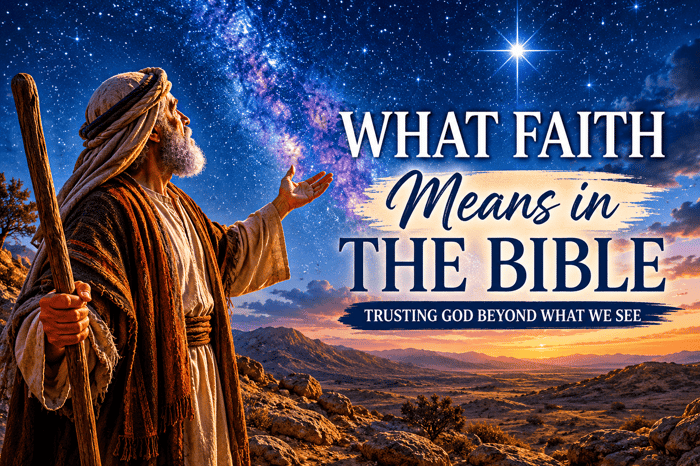
“Now faith is assurance of things hoped for, proof of things not seen.”
— Hebrews 11:1
Faith means trusting God even when people cannot see the full outcome. It involves confidence in God's promises, character, and power.
Biblical faith is not blind belief without evidence. Christians place their faith in God because He has revealed Himself through:
- Scripture
- creation
- Jesus Christ
- fulfilled prophecy
- His work throughout history
Faith also means depending on God instead of relying completely on human understanding.
“Trust in the Lord with all your heart,
and do not lean on your own understanding.”
— Proverbs 3:5 (ESV)
Christian faith basics begin with trusting that God is truthful, faithful, holy, and worthy of obedience.
Why Is Faith Important for Salvation?
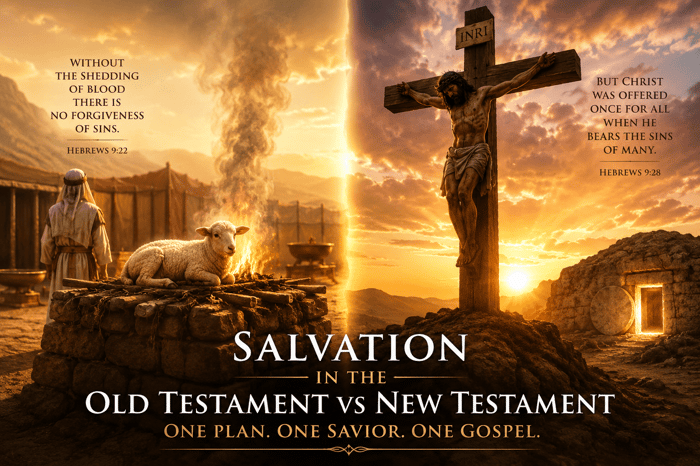
One of the biggest reasons why is faith important is because salvation comes through faith in Jesus Christ.
The Bible teaches that humanity is separated from God because of sin. People cannot earn salvation through good works, religion, or personal effort.
“for all have sinned, and fall short of the glory of God;”
— Romans 3:23
Because sinners could not save themselves, God sent Jesus Christ into the world to die for sin and rise again from the dead.
“But God commends his own love toward us, in that while we were yet sinners, Christ died for us.”
— Romans 5:8
The Bible clearly teaches that salvation is received through faith.
“For by grace you have been saved through faith, and that not of yourselves; it is the gift of God,”
— Ephesians 2:8
Faith and salvation are closely connected because faith is the means by which people receive God's gift of eternal life.
“Believe in the Lord Jesus Christ, and you will be saved...”
— Acts 16:31
Without faith in Jesus Christ, people remain separated from God.
Faith Connects Believers to God
Faith is important because it allows believers to have a relationship with God.
The Bible says it is impossible to please God without faith.
“Without faith it is impossible to be well pleasing to him, for he who comes to God must believe that he exists and that he rewards those who seek him.”
— Hebrews 11:6
Christians trust that God hears prayer, keeps His promises, and works in their lives even when circumstances seem difficult.
Faith helps believers:
- trust God during suffering
- obey God during uncertainty
- pray with confidence
- remain hopeful during trials
- grow spiritually
The Christian life depends on daily trust in God.
Why Is Faith Important During Difficult Times?
Everyone faces hardship, fear, disappointment, and uncertainty. Faith gives Christians stability during difficult seasons.
Believers trust that God remains faithful even when life feels confusing or painful.
“God is our refuge and strength, a very present help in trouble.”
— Psalm 46:1
Faith does not remove all problems immediately, but it changes how Christians respond to them.
Faith Helps Christians During Trials
| Challenge | How Faith Helps |
|---|---|
| Fear | Reminds believers God is in control |
| Suffering | Gives hope and endurance |
| Uncertainty | Encourages trust in God's wisdom |
| Temptation | Strengthens obedience |
| Discouragement | Points believers to God's promises |
Trusting God allows believers to move forward even when they cannot see the full path ahead.
“for we walk by faith, not by sight.”
— 2 Corinthians 5:7
This verse reminds Christians that faith often means trusting God beyond visible circumstances.
Faith Produces Obedience
Another reason why is faith important is because genuine faith leads to obedience.
The Bible teaches that living faith changes how believers live. Christians obey God not to earn salvation but because they trust Him.
Examples of Faith and Obedience in the Bible
| Person | Example of Faith |
|---|---|
| Noah | Built the ark before seeing the flood |
| Abraham | Left his homeland trusting God |
| Moses | Led Israel out of Egypt |
| David | Faced Goliath trusting God |
| Peter | Stepped out onto the water toward Jesus |
Faith moves people to trust God's commands even when obedience seems difficult.
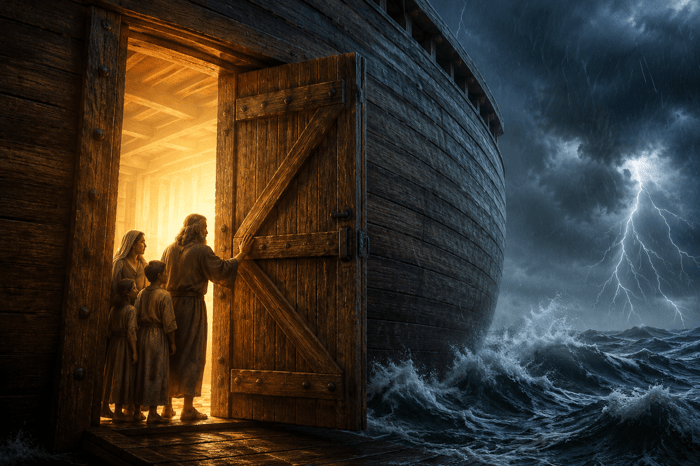
“By faith Noah, being warned about things not yet seen, moved with godly fear, prepared an ark...”
— Hebrews 11:7
True biblical faith explained in Scripture always produces action over time.
Faith Helps Christians Grow Spiritually
Another reason why is faith important is because Christians continue growing in faith throughout their lives.
Spiritual growth happens as believers:
- read Scripture
- pray
- worship
- obey God
- trust Him through trials
“So faith comes by hearing, and hearing by the word of God.”
— Romans 10:17
God strengthens faith through His Word and through life experiences that teach believers to depend on Him more deeply.
Ways Christians Grow in Faith
- Reading the Bible regularly
- Praying daily
- Gathering with other believers
- Remembering God's faithfulness
- Applying Scripture to daily life
- Trusting God during hardship
Living faith continues growing stronger as believers mature spiritually.
What Happens When Faith Is Weak?
Even faithful Christians experience moments of doubt, fear, or weakness.
The Bible includes many examples of believers struggling with weak faith.
Peter Walking on Water
Peter trusted Jesus enough to step onto the water, but fear caused him to doubt when he looked at the storm.
“Immediately Jesus stretched out his hand, took hold of him, and said to him, ‘You of little faith, why did you doubt?’”
— Matthew 14:31
This story reminds believers that faith grows stronger when they focus on Christ instead of fear.
Thomas Doubting the Resurrection
Thomas struggled to believe that Jesus had risen from the dead until he saw Him personally.
“Don’t be unbelieving, but believing.”
— John 20:27
God is patient with believers who struggle, and He continues helping them grow in faith.
Faith Is Different From Mere Knowledge
One reason the importance of faith in Christianity matters so much is because faith is more than simply knowing facts about God.
A person can:
- know Bible stories
- attend church
- agree with Christian teachings
Yet still not truly trust Jesus Christ personally.
The Bible warns that intellectual belief alone is not enough.
“You believe that God is one. You do well. The demons also believe, and shudder.”
— James 2:19
Saving faith involves trusting Christ personally for forgiveness, salvation, and eternal life.
The Relationship Between Faith and Works
Many people misunderstand the relationship between faith and good works.
The Bible teaches:
- salvation comes through faith alone
- genuine faith produces spiritual fruit
Good works do not save people, but living faith changes behavior over time.
“Even so faith, if it has no works, is dead in itself.”
— James 2:17
Christians obey God because faith transforms their hearts.
Jesus Is the Center of Christian Faith
At the center of Christianity is faith in Jesus Christ.
Christians believe Jesus is:
- the Son of God
- the Savior of the world
- the promised Messiah
- the only way to eternal life
“Jesus said to him, ‘I am the way, the truth, and the life. No one comes to the Father except through me.’”
— John 14:6
Faith in Jesus Christ changes a person's eternal destiny and daily life.
Why Faith Still Matters Today
Modern culture often encourages people to trust themselves above everything else. The Bible teaches the opposite. Christians are called to trust God completely.
Faith remains important because:
- people still struggle with sin
- life still contains suffering
- people still need salvation
- believers still need God's guidance
- eternal life still comes through Christ alone
Faith gives believers hope in a broken world.
“These things I have spoken to you, that in me you may have peace. In the world you have oppression; but cheer up! I have overcome the world.”
— John 16:33
Living by Faith Every Day
The answer to why is faith important is found throughout the Bible. Faith connects believers to God, brings salvation through Jesus Christ, strengthens Christians during trials, and produces spiritual growth and obedience.
Christianity is not built on human strength or human effort. It is built on trusting God and believing His promises.
The Bible teaches that believers are called to live by faith every day.
“But the righteous shall live by faith.”
— Romans 1:17
Faith allows Christians to walk with God, trust His Word, and rest in the hope found through Jesus Christ.
FAQs
Why is faith important in Christianity?
Faith is important because it connects believers to God and allows them to trust His promises, receive salvation through Jesus Christ, and live according to His truth. Christianity is built on trusting God rather than relying only on human understanding.
“Without faith it is impossible to be well pleasing to him...”
— Hebrews 11:6
What does biblical faith mean?
Biblical faith means trusting God completely and believing His Word even when people cannot see the full outcome. Faith depends on God's character, truth, and promises.
“Now faith is assurance of things hoped for, proof of things not seen.”
— Hebrews 11:1
“Trust in Yahweh with all your heart, and don’t lean on your own understanding.”
— Proverbs 3:5
Why is faith important for salvation?
Faith is important because salvation comes through faith in Jesus Christ, not through human works or religious effort. The Gospel teaches that sinners are saved by God's grace when they trust in Christ's death and resurrection for forgiveness and eternal life.
“For by grace you have been saved through faith, and that not of yourselves; it is the gift of God,”
— Ephesians 2:8
“Believe in the Lord Jesus Christ, and you will be saved...”
— Acts 16:31
Can someone have faith during difficult times?
Yes. Faith helps Christians trust God during suffering, uncertainty, fear, and hardship. Believers may not understand everything happening around them, but they can trust that God remains faithful.
“God is our refuge and strength, a very present help in trouble.”
— Psalm 46:1
“for we walk by faith, not by sight.”
— 2 Corinthians 5:7
Is faith the same as positive thinking?
No. Biblical faith is not simply positive thinking or wishing for good outcomes. True faith is trusting God based on His truth, promises, and character revealed in Scripture.
“So faith comes by hearing, and hearing by the word of God.”
— Romans 10:17
Does real faith produce obedience?
Yes. Genuine faith changes how believers live. Christians obey God because they trust Him, not because they are trying to earn salvation.
“Even so faith, if it has no works, is dead in itself.”
— James 2:17
Can faith grow stronger over time?
Yes. Christians continue growing in faith through prayer, Scripture, worship, obedience, and trusting God during trials.
“But the righteous shall live by faith.”
— Romans 1:17
Why is Jesus central to Christian faith?
Jesus is central because Christianity is built on faith in Him as Savior and Lord. Through Jesus Christ, believers receive forgiveness, eternal life, and reconciliation with God.
“Jesus said to him, ‘I am the way, the truth, and the life. No one comes to the Father except through me.’”
— John 14:6