
Table of Contents
- What Does Hebrews 11:1 Mean?
- Faith Is the Substance of Things Hoped For
- Proof of Things Not Seen
- Hebrews 11:1 Meaning and Salvation
- Biblical Faith Explained Through the Heroes of Hebrews 11
- Faith in God During Difficult Seasons
- Christian Faith Is Centered on Jesus Christ
- Why Faith Pleases God
- Living by Faith Every Day
- Hebrews 11:1 Meaning Points to Redemption
- FAQs
The Hebrews 11:1 meaning helps believers understand what true faith looks like. Faith is not wishful thinking or blind optimism. Biblical faith is confidence in God even when His promises cannot yet be seen with human eyes. This verse teaches believers how to trust God during uncertainty and how to walk with confidence based on His Word.
The writer of Hebrews gives one of the clearest definitions of faith in the Bible:
“Now faith is assurance of things hoped for, proof of things not seen.”
— Hebrews 11:1 (WEB)
This verse introduces a chapter filled with examples of people who trusted God even when they did not fully understand what He was doing. Their faith rested on God's character, not on visible proof. Understanding the Hebrews 11:1 meaning helps Christians learn how to trust God in daily life and how faith connects directly to salvation and redemption.
What Does Hebrews 11:1 Mean?
To understand the Hebrews 11:1 meaning, it helps to examine the two main parts of the verse.
The verse says faith is:
- “assurance of things hoped for”
- “proof of things not seen”
Biblical faith is not imaginary. It is a confident trust in God's promises. Christians believe God will do what He says because He is faithful.
“God is not a man, that he should lie, nor a son of man, that he should repent. Has he said, and will he not do it?”
— Numbers 23:19 (WEB)
Faith looks beyond present circumstances and trusts the Lord even when answers are delayed.
The phrase faith is the substance of things hoped for means believers treat God's promises as certain realities. Christian hope is not uncertain like worldly hope. It is secure because it rests on God Himself.
Faith Is the Substance of Things Hoped For
The phrase “substance of things hoped for” points to confident expectation. Believers trust that God will fulfill His promises even before they see the outcome.
For example:
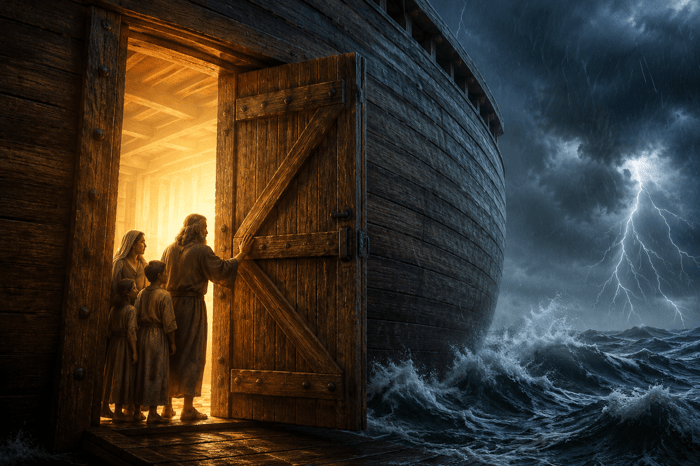
- Noah built the ark before rain came.
- Abraham left his homeland before seeing the promised land.
- Moses led Israel through the wilderness trusting God's guidance.
Each person acted in faith before seeing the final result.
“for we walk by faith, not by sight.”
— 2 Corinthians 5:7 (WEB)
This is a key part of biblical faith explained. Faith moves believers to obey God even when circumstances seem uncertain.
| Biblical Faith | Human Thinking |
|---|---|
| Trusts God's promises | Trusts visible evidence only |
| Depends on God's character | Depends on human understanding |
| Obeys before seeing results | Waits for proof first |
| Focuses on eternal truth | Focuses on temporary situations |
Faith does not ignore reality. Instead, it recognizes that God's truth is greater than temporary circumstances.
Proof of Things Not Seen
The second half of Hebrews 11:1 says faith is “proof of things not seen.” This does not mean Christians ignore evidence or logic. It means believers trust spiritual realities that cannot be physically seen.
God Himself is invisible, yet His creation reveals His power.
“For the invisible things of him since the creation of the world are clearly seen, being perceived through the things that are made.”
— Romans 1:20 (WEB)
Faith believes that God exists and rewards those who seek Him.
“Without faith it is impossible to be well pleasing to him, for he who comes to God must believe that he exists, and that he rewards those who seek him.”
— Hebrews 11:6 (WEB)
This truth matters because salvation itself requires faith in what cannot physically be seen. Christians trust in the death and resurrection of Jesus Christ even though they did not witness those events personally.
Hebrews 11:1 Meaning and Salvation
The Gospel connects directly to the Hebrews 11:1 meaning because salvation comes through faith in Jesus Christ. Humanity was separated from God because of sin, but God provided redemption through His Son Jesus Christ.
People cannot earn salvation through works or personal goodness. Salvation comes by trusting Christ alone.
“For by grace you have been saved through faith, and that not of yourselves; it is the gift of God.”
— Ephesians 2:8 (WEB)
Faith believes that Jesus died for sin and rose again even though believers cannot physically see Him today.
“Jesus said to him, ‘Because you have seen me, you have believed. Blessed are those who have not seen, and have believed.’”
— John 20:29 (WEB)
This is why faith matters so deeply in Christianity. Salvation depends on trusting God's promise of eternal life through Christ.
“For God so loved the world, that he gave his one and only Son, that whoever believes in him should not perish, but have eternal life.”
— John 3:16 (WEB)
Biblical Faith Explained Through the Heroes of Hebrews 11
Hebrews 11 continues by giving examples of faithful people from the Old Testament. These examples help explain what living faith looks like.
Abel
Abel trusted God through obedient worship.
“By faith Abel offered to God a more excellent sacrifice than Cain.”
— Hebrews 11:4 (WEB)
Noah
Noah obeyed God even when the world around him rejected God's warning.
“By faith Noah, being warned about things not yet seen, moved with godly fear, prepared an ark.”
— Hebrews 11:7 (WEB)
Abraham
Abraham trusted God enough to leave his homeland without knowing where he was going.
“By faith Abraham, when he was called, obeyed to go out to the place which he was to receive for an inheritance.”
— Hebrews 11:8 (WEB)
These examples show that faith produces action. Genuine faith changes how people live.
Faith in God During Difficult Seasons
Many believers struggle to trust God during suffering, unanswered prayer, or uncertainty. The Hebrews 11:1 meaning reminds Christians that faith continues even when life feels confusing.
Trusting God does not mean pretending pain is not real. Biblical faith acknowledges hardship while still believing God is faithful.
“Trust in the Lord with all your heart,
and do not lean on your own understanding.”
— Proverbs 3:5 (ESV)
Sometimes believers cannot see how God is working, but faith rests on His promises rather than emotions.
Here are several ways Christians can strengthen their faith in God during difficult times:
- Pray honestly and consistently
- Read God's Word daily
- Remember past examples of God's faithfulness
- Spend time with other believers
- Focus on God's promises instead of fear
- Continue obeying God even during uncertainty
Faith grows stronger when believers continue trusting God through trials.
Christian Faith Is Centered on Jesus Christ
At the center of Christian faith is Jesus Himself. Faith is not merely belief in positive outcomes or personal success. True faith trusts Christ as Savior and Lord.
The Bible says Jesus is the foundation of salvation.
“Believe in the Lord Jesus Christ, and you will be saved.”
— Acts 16:31 (WEB)
Jesus came to rescue sinners through His death and resurrection.
“But God commends his own love toward us, in that while we were yet sinners, Christ died for us.”
— Romans 5:8 (WEB)
Christian faith believes that Christ accomplished what sinners could never accomplish themselves.
| Faith in Self | Faith in Christ |
|---|---|
| Depends on personal effort | Depends on God's grace |
| Changes with emotions | Stands on God's promises |
| Focuses on human strength | Focuses on Christ's finished work |
| Cannot save from sin | Leads to eternal life |
The Gospel calls people to place their full trust in Jesus rather than in themselves.
Why Faith Pleases God
Hebrews 11 teaches that faith is essential for a relationship with God.
“Without faith it is impossible to be well pleasing to him.”
— Hebrews 11:6 (WEB)
Faith honors God because it recognizes His authority, truth, and faithfulness. Doubt often places human understanding above God's Word, but faith submits to God even when everything is not fully understood.
This does not mean believers never struggle. Many faithful Christians wrestle with fear or questions at times. Yet biblical faith keeps returning to God instead of turning away from Him.
Living by Faith Every Day
The Hebrews 11:1 meaning is not only about salvation. It also shapes everyday Christian living.
Believers live by faith when they:
- Pray before making decisions
- Trust God during uncertainty
- Obey Scripture even when culture disagrees
- Continue following Christ during suffering
- Believe God's promises about eternal life
Faith changes priorities because believers begin focusing on eternal things rather than temporary ones.
“Set your mind on the things that are above, not on the things that are on the earth.”
— Colossians 3:2 (WEB)
The Christian life is a daily walk of trusting God step by step.
Hebrews 11:1 Meaning Points to Redemption
The message of Hebrews 11 points beyond earthly success. It points to redemption through Jesus Christ. Faith sees beyond the visible world and trusts God's promise of eternal salvation.
Believers may not see heaven now, but they trust God's promise that eternal life awaits those who belong to Christ.
“We look not at the things which are seen, but at the things which are not seen.”
— 2 Corinthians 4:18 (WEB)
This kind of faith is not weak or imaginary. It is grounded in the truth of God's Word and the finished work of Jesus Christ.
The Hebrews 11:1 meaning reminds believers that faith sees the invisible because it trusts the God who never fails.
FAQs
What is the Hebrews 11:1 meaning in simple terms?
The Hebrews 11:1 meaning teaches that faith is trusting God even when believers cannot yet see the outcome. Christians believe God's promises because He is faithful and true.
“Now faith is assurance of things hoped for, proof of things not seen.”
— Hebrews 11:1 (WEB)
What does “faith is the substance of things hoped for” mean?
This phrase means believers confidently trust that God will fulfill His promises. Christian hope is not uncertain because it rests on God's character and Word.
“God is not a man, that he should lie, nor a son of man, that he should repent. Has he said, and will he not do it?”
— Numbers 23:19 (WEB)
“for we walk by faith, not by sight.”
— 2 Corinthians 5:7 (WEB)
Is biblical faith blind faith?
No. Biblical faith is not blind belief without reason. It is confidence in the trustworthy nature of God and His promises revealed in Scripture.
“Without faith it is impossible to be well pleasing to him, for he who comes to God must believe that he exists, and that he rewards those who seek him.”
— Hebrews 11:6 (WEB)
“For the invisible things of him since the creation of the world are clearly seen.”
— Romans 1:20 (WEB)
How does the Hebrews 11:1 meaning connect to salvation?
The Hebrews 11:1 meaning points directly to the Gospel because salvation comes through faith in Jesus Christ. Humanity was separated from God because of sin, but God provided redemption through His Son Jesus Christ. Christians trust in Christ's death and resurrection even though they cannot physically see Him today.
“For by grace you have been saved through faith, and that not of yourselves; it is the gift of God.”
— Ephesians 2:8 (WEB)
“For God so loved the world, that he gave his one and only Son, that whoever believes in him should not perish, but have eternal life.”
— John 3:16 (WEB)
Why is faith important in Christianity?
Faith is essential because it is the way believers receive salvation and walk with God daily. Without faith, people cannot truly please God.
“Without faith it is impossible to be well pleasing to him.”
— Hebrews 11:6 (WEB)
“But the righteous shall live by faith.”
— Romans 1:17 (WEB)
What are examples of biblical faith in Hebrews 11?
Hebrews 11 gives many examples of people who trusted God before seeing His promises fulfilled, including Abel, Noah, and Abraham.
“By faith Noah, being warned about things not yet seen, moved with godly fear, prepared an ark.”
— Hebrews 11:7 (WEB)
“By faith Abraham, when he was called, obeyed to go out to the place which he was to receive for an inheritance.”
— Hebrews 11:8 (WEB)
How can Christians strengthen their faith in God?
Christians strengthen their faith by reading Scripture, praying, obeying God, and remembering His faithfulness during difficult seasons.
“So faith comes by hearing, and hearing by the word of God.”
— Romans 10:17 (WEB)
“Trust in Yahweh with all your heart, and don't lean on your own understanding.”
— Proverbs 3:5 (WEB)
What does it mean to walk by faith and not by sight?
Walking by faith means trusting God's truth and guidance even when circumstances seem uncertain or difficult to understand.
“for we walk by faith, not by sight.”
— 2 Corinthians 5:7 (WEB)
“We look not at the things which are seen, but at the things which are not seen.”
— 2 Corinthians 4:18 (WEB)