Table of Contents
- What Does Faith Mean in the Bible?
- What Faith Means in the Bible Explained Through Abraham
- Faith in God Is Central to Salvation
- The Difference Between Faith and Works
- Faith in God During Difficult Times
- How Faith Grows in a Christian's Life
- Examples of Faith in Scripture
- Common Misunderstandings About Faith
- Why Faith Matters for Every Christian
- FAQs
Understanding what faith means in the Bible is important for every Christian. Faith is more than believing that God exists. Biblical faith is trusting God, believing His promises, and depending on Jesus Christ for salvation and daily life. The Bible teaches that faith connects people to God and helps them walk with Him through every season of life.
Many people think faith is only a feeling or blind hope. But Scripture shows that understanding what faith means in the Bible starts with knowing that true faith is grounded in God's truth and character. Faith believes what God has said, even when circumstances are hard to understand. This article explains the meaning of faith in Scripture, how saving faith works, and why faith matters in the Christian life.
The Gospel message teaches that people are separated from God because of sin, but God provided salvation through Jesus Christ. Faith is the way people receive that gift of grace.
What Does Faith Mean in the Bible?
The Bible describes faith as confidence and trust in God. Faith believes that God is truthful, powerful, loving, and faithful to His promises.
One of the clearest definitions of faith is found in Hebrews.
“Now faith is assurance of things hoped for, proof of things not seen.”
— Hebrews 11:1 (WEB)
This verse does not teach blind belief. Biblical faith rests on the truth of God's Word. Christians trust God because He has proven Himself faithful throughout Scripture.
Faith includes:
- Believing God's Word is true
- Trusting Jesus Christ for salvation
- Depending on God in everyday life
- Obeying God even when life is difficult
- Hoping in God's promises
Biblical Faith Compared to Everyday Belief
| Everyday Belief | Biblical Faith |
|---|---|
| Based mostly on feelings | Based on God's truth |
| Changes with circumstances | Remains rooted in God |
| Temporary confidence | Lasting trust in God |
| Focused on self | Focused on Christ |
| Depends on visible proof | Trusts God even when unseen |
What Faith Means in the Bible Explained Through Abraham
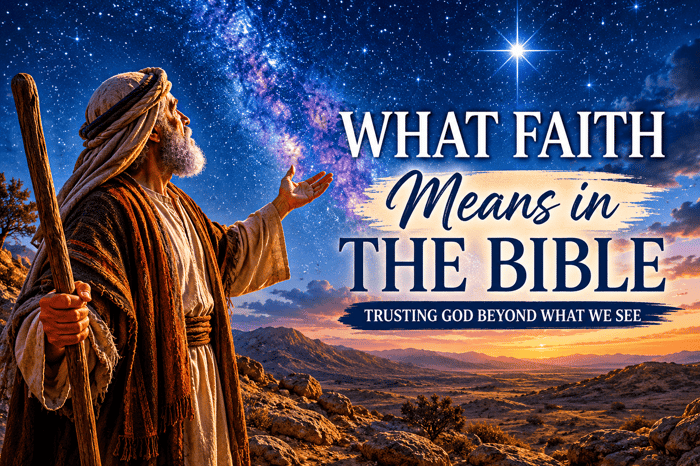
Abraham is one of the greatest examples of faith in Scripture. God promised Abraham that he would become the father of many nations, even when he and Sarah were old.
“And he believed the Lord, and he counted it to him as righteousness.”
— Genesis 15:6 (ESV)
Abraham trusted God before he saw the promise fulfilled, giving readers a clear picture of what faith means in the Bible. His faith was not perfect, but he continued believing God.
The New Testament points back to Abraham as an example of saving faith.
“For what does the Scripture say? ‘Abraham believed God, and it was accounted to him for righteousness.’”
— Romans 4:3 (WEB)
Abraham's story helps explain what faith means in the Bible because it shows trust, obedience, and dependence on God.
Faith in God Is Central to Salvation
The Bible teaches that salvation comes through faith in Jesus Christ, not through human effort or good works.
“For by grace you have been saved through faith, and that not of yourselves; it is the gift of God.”
— Ephesians 2:8 (WEB)
This is one of the most important truths in Christianity. People cannot earn salvation. Jesus died on the cross for sinners and rose again. Those who place their trust in Him receive forgiveness and eternal life.
“Believe in the Lord Jesus Christ, and you will be saved.”
— Acts 16:31 (WEB)
Saving faith means trusting Jesus completely. It is not simply knowing facts about Him. Many people know Bible stories but have never truly trusted Christ.
Signs of Saving Faith
- Trusting Jesus instead of personal goodness
- Believing Christ died and rose again
- Turning from sin toward God
- Desiring to follow Christ
- Growing in obedience and spiritual maturity
The Bible connects redemption and faith closely. Jesus paid the price for sin so believers could be forgiven and restored to God.
“For God so loved the world, that he gave his one and only Son, that whoever believes in him should not perish, but have eternal life.”
— John 3:16 (WEB)
The Difference Between Faith and Works
One common question in Christian faith basics is how faith and works fit together.
The Bible clearly says salvation is not earned by works.
“Knowing that a man is not justified by the works of the law but through faith in Jesus Christ.”
— Galatians 2:16 (WEB)
At the same time, real faith produces changed living. Good works do not save a person, but genuine faith changes the heart.
“Even so faith, if it has no works, is dead in itself.”
— James 2:17 (WEB)
James was not teaching salvation by works. He was explaining that living faith produces visible fruit. A transformed life becomes evidence of true faith.
Faith and Works Explained Simply
| Truth | Explanation |
|---|---|
| Works cannot save | Salvation comes through Jesus alone |
| Faith receives salvation | Trust in Christ brings forgiveness |
| Genuine faith changes people | Spiritual growth follows salvation |
| Obedience flows from faith | Christians desire to honor God |
Faith in God During Difficult Times
Faith becomes especially important during suffering, fear, and uncertainty. The Bible never promises an easy life, but it does promise God's presence.
“Trust in the Lord with all your heart,
and do not lean on your own understanding.”
— Proverbs 3:5 (ESV)
Faith often grows stronger through trials. Christians learn to depend on God when they cannot control circumstances.
“For we walk by faith, not by sight.”
— 2 Corinthians 5:7 (WEB)
Walking by faith means continuing to trust God even when answers are unclear, which is an important part of what faith means in the Bible.
Many believers in Hebrews 11 faced hardship, persecution, and loss. Yet they continued trusting God because they believed His promises were greater than temporary struggles.
How Faith Grows in a Christian's Life
Faith is not meant to stay weak or immature. God desires believers to grow spiritually and become stronger in trust and obedience.
The Bible teaches several ways faith grows.
1. Faith Grows Through God's Word
“So faith comes by hearing, and hearing by the word of God.”
— Romans 10:17 (WEB)
Reading and studying Scripture helps believers know God better. Faith becomes stronger when Christians understand God's promises.
2. Faith Grows Through Prayer
Prayer helps believers depend on God daily.
“In nothing be anxious, but in everything, by prayer and petition with thanksgiving, let your requests be made known to God.”
— Philippians 4:6 (WEB)
3. Faith Grows Through Obedience
When believers obey God, they learn His faithfulness through experience.
“But be doers of the word, and not only hearers, deluding your own selves.”
— James 1:22 (WEB)
4. Faith Grows Through Trials
Difficult seasons often deepen trust in God.
“Knowing that the testing of your faith produces perseverance.”
— James 1:3 (WEB)
Examples of Faith in Scripture
The Bible gives many examples of men and women who trusted God.
| Person | Example of Faith |
|---|---|
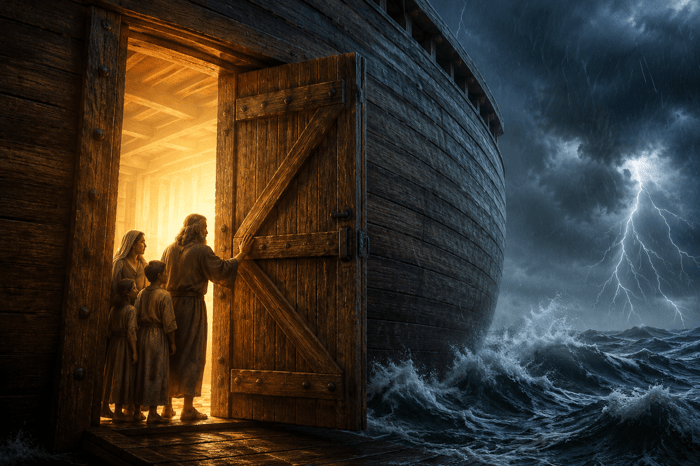
| Noah | Built the ark before rain came |
| Abraham | Trusted God's covenant promises |
| Moses | Led Israel out of Egypt |
| Rahab | Trusted God and protected the spies |
| David | Faced Goliath trusting God |
| Mary | Accepted God's plan faithfully |
These stories help readers understand biblical faith explained through real lives and situations.
Common Misunderstandings About Faith
Some people misunderstand faith and think it means pretending problems do not exist. Others believe faith guarantees wealth, health, or success.
The Bible presents faith differently.
Faith Is Not Blind Optimism
Faith trusts God's character, not wishful thinking.
Faith Does Not Remove All Doubts
Many believers in Scripture struggled with fear and questions while still trusting God.
Faith Does Not Mean Christians Never Suffer
Faithful believers still experience hardship, persecution, sickness, and grief.
Faith Is Centered on Jesus Christ
True faith in God focuses on Christ and His Gospel, not personal desires.
“Looking to Jesus, the author and perfecter of faith.”
— Hebrews 12:2 (WEB)
Why Faith Matters for Every Christian
Understanding what faith means in the Bible changes how Christians live. Faith affects salvation, prayer, worship, obedience, and spiritual growth.
Without faith, people remain separated from God. Through faith in Jesus Christ, sinners are forgiven and brought into a relationship with Him.
“Without faith it is impossible to be well pleasing to him, for he who comes to God must believe that he exists, and that he rewards those who seek him.”
— Hebrews 11:6 (WEB)
Faith also gives believers hope during hard times. Christians know God is faithful even when life feels uncertain.
The Gospel calls people to place their trust in Jesus Christ. Through His death and resurrection, redemption is available to all who believe.
“These are written that you may believe that Jesus is the Christ, the Son of God, and that believing you may have life in his name.”
— John 20:31 (WEB)
Faith is not about human strength. Understanding what faith means in the Bible helps believers depend on the Savior who redeems sinners and gives eternal life.
FAQs
What does faith mean in the Bible?
Faith in the Bible means trusting God completely and believing His Word is true. Biblical faith is not blind hope. It is confidence in God's character, promises, and salvation through Jesus Christ.
“Now faith is assurance of things hoped for, proof of things not seen.”
— Hebrews 11:1 (WEB)
“Trust in Yahweh with all your heart, and don’t lean on your own understanding.”
— Proverbs 3:5 (WEB)
Why is faith important in Christianity?
Faith is important because it connects believers to God. Without faith, people cannot truly follow God or receive His promises. Faith helps Christians trust God during both good and difficult seasons.
“Without faith it is impossible to be well pleasing to him, for he who comes to God must believe that he exists, and that he rewards those who seek him.”
— Hebrews 11:6 (WEB)
“For we walk by faith, not by sight.”
— 2 Corinthians 5:7 (WEB)
What is saving faith?
Saving faith means trusting Jesus Christ alone for forgiveness of sins and eternal life. It involves believing that Jesus died on the cross and rose again to redeem sinners.
The Gospel teaches that humanity was separated from God because of sin, but Jesus made a way for restoration through His sacrifice. Understanding what faith means in the Bible reveals that salvation is not earned through works but received by trusting Christ.
“For by grace you have been saved through faith, and that not of yourselves; it is the gift of God.”
— Ephesians 2:8 (WEB)
“Believe in the Lord Jesus Christ, and you will be saved.”
— Acts 16:31 (WEB)
Is faith the same as believing facts about God?
No. Many people know facts about God without truly trusting Him. Biblical faith goes beyond knowledge. It includes dependence, obedience, and surrender to Christ.
“You believe that God is one. You do well. The demons also believe, and shudder.”
— James 2:19 (WEB)
“These are written that you may believe that Jesus is the Christ, the Son of God, and that believing you may have life in his name.”
— John 20:31 (WEB)
How does faith grow in a believer's life?
Faith grows through reading God's Word, prayer, obedience, and trusting God during trials. Spiritual growth happens as believers learn to depend on God more each day.
“So faith comes by hearing, and hearing by the word of God.”
— Romans 10:17 (WEB)
“Knowing that the testing of your faith produces perseverance.”
— James 1:3 (WEB)
Can someone have faith and still struggle with doubt?
Yes. Many faithful people in Scripture experienced fear and questions while still trusting God. Biblical faith does not mean believers never struggle. It means they continue turning to God even during uncertainty.
“Immediately the father of the child cried out with tears, ‘I believe. Help my unbelief!’”
— Mark 9:24 (WEB)
“Cast all your worries on him, because he cares for you.”
— 1 Peter 5:7 (WEB)
What is the difference between faith and works?
Faith is trusting in Jesus Christ for salvation, while works are the actions that flow from genuine faith. Good works cannot save a person, but real faith changes how believers live.
“Knowing that a man is not justified by the works of the law but through faith in Jesus Christ.”
— Galatians 2:16 (WEB)
“Even so faith, if it has no works, is dead in itself.”
— James 2:17 (WEB)
Who are some examples of faith in the Bible?
The Bible gives many examples of people who trusted God even when circumstances were difficult. Abraham, Noah, Moses, Rahab, and David all demonstrated strong faith in God's promises.
“He believed in Yahweh, who credited it to him for righteousness.”
— Genesis 15:6 (WEB)
“By faith Noah, being warned about things not yet seen, moved with godly fear, prepared a ship for the saving of his house.”
— Hebrews 11:7 (WEB)