Table of Contents
- Why Bible Places and Geography Matter
- How Geography Shapes the Biblical Story
- Key Bible Places and Geography You Should Know
- En Gedi: A Place of Refuge in the Wilderness
- Ethiopia: A Nation Reached by God
- Gath: The Land of Giants
- Gaza: A Place of Conflict and Judgment
- Gethsemane: A Place of Surrender
- Gibeon: A Place of Deception and Mercy
- Goshen: A Place of Provision
- Hebron: A Place of Promise
- Judea: The Heart of Jesus’ Ministry
- Many More Important Places
- Patterns You Can See in Bible Geography
- What Bible Geography Teaches About God
- Applying Bible Places and Geography to Your Life
- Connecting Geography to the Bigger Story
- Final Thoughts on Bible Places and Geography
- FAQs
The Bible is not just a book of ideas. It is a record of real events that took place in real locations. Bible Places and Geography help us see that God’s work in history happened in actual lands, cities, deserts, and nations. When we understand where events happened, we better understand what God was doing and why it matters today.
From deserts like En Gedi to regions like Judea, each place tells part of the story of God’s relationship with people. These locations are not random. They often carry meaning, purpose, and spiritual lessons.
“Your word is a lamp to my feet, and a light for my path.” — Psalm 119:105
Understanding geography helps that light shine even clearer.
Why Bible Places and Geography Matter
The setting of Scripture shapes the message. A wilderness story feels different when you know how harsh and dry the land was. A city story carries weight when you understand its power and influence.
Here are a few reasons this matters:
- It shows the Bible is rooted in real history
- It helps explain events, struggles, and decisions
- It reveals patterns in how God works
- It makes Scripture easier to understand
Key Benefits of Studying Bible Geography
| Benefit | Why It Matters | Example |
|---|---|---|
| Historical clarity | Confirms real-world events | Egypt and Goshen |
| Spiritual insight | Places often reflect spiritual truths | Wilderness testing |
| Better context | Explains actions and choices | Goliath from Gath |
| Stronger faith | Shows God works in real life | Jesus in Gethsemane |
How Geography Shapes the Biblical Story
God often uses places to teach lessons. Some places are tied to blessing, others to testing, and some to judgment.
For example:
- Deserts often represent testing and dependence on God
- Mountains often represent encounters with God
- Cities often represent culture, power, and sin
“For we walk by faith, not by sight.” — 2 Corinthians 5:7
Even in physical locations, God calls His people to trust Him beyond what they see.
Key Bible Places and Geography You Should Know
Below are important locations that help tell the story of Scripture. Each one connects to a deeper truth.
En Gedi: A Place of Refuge in the Wilderness
10 Interesting Facts About En Gedi in the Bible
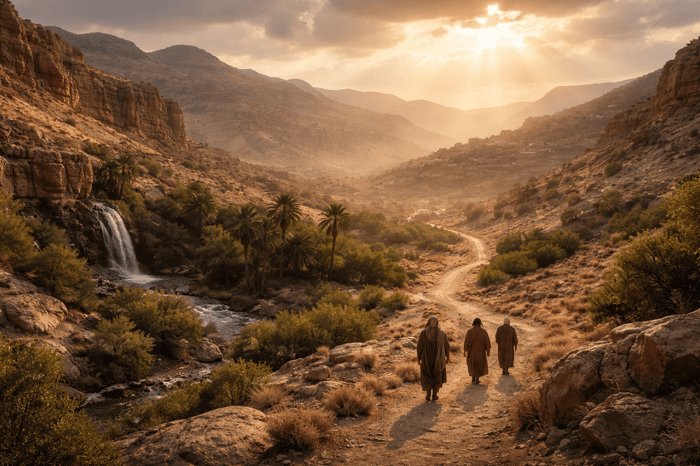
En Gedi was an oasis in a dry desert. It became a place of safety for David when he fled from Saul.
- A place of refreshment in hardship
- A reminder that God provides in dry seasons
“God is our refuge and strength, a very present help in trouble.” — Psalm 46:1
Ethiopia: A Nation Reached by God
10 Interesting Facts About Ethiopia in the Bible
Ethiopia shows that God’s message goes beyond Israel. The Ethiopian eunuch in Acts received the gospel and believed.
- A symbol of global reach
- God’s plan includes all nations
“Go into all the world and preach the Good News to the whole creation.” — Mark 16:15
Gath: The Land of Giants
10 Interesting Facts About Gath in the Bible
Gath was one of the Philistine cities and home to Goliath.
- Represents opposition to God’s people
- Shows how faith overcomes fear
“For the battle is the Lord's, and he will give you into our hand.” — 1 Samuel 17:47 (ESV)
Gaza: A Place of Conflict and Judgment
10 Interesting Facts About Gaza in the Bible
Gaza appears in stories like Samson’s life. It often represents struggle and consequences.
- A place tied to disobedience
- A reminder of the cost of sin
Gethsemane: A Place of Surrender
10 Interesting Facts About Gethsemane in the Bible
This garden is where Jesus prayed before His arrest.
- A place of deep sorrow
- A place of obedience to God’s will
“Not my will, but yours, be done.” — Luke 22:42
Gibeon: A Place of Deception and Mercy
10 Interesting Facts About Gibeon in the Bible
The Gibeonites tricked Israel but were still shown mercy.
- Shows human failure
- Shows God’s grace working through it
Goshen: A Place of Provision
10 Interesting Facts About Goshen in the Bible
Goshen was where the Israelites lived in Egypt.
- A place of safety during famine
- A picture of God’s provision
“God sent me before you to preserve life.” — Genesis 45:5
Hebron: A Place of Promise
10 Interesting Facts About Hebron in the Bible
Hebron is tied to Abraham and God’s covenant.
- A place connected to God’s promises
- A reminder that God keeps His word
Judea: The Heart of Jesus’ Ministry
10 Interesting Facts About Judea in the Bible
Judea is central to the life of Jesus.
- A region filled with key events
- Where prophecy was fulfilled
“The time is fulfilled, and God’s Kingdom is at hand.” — Mark 1:15
Many More Important Places
25 Important Places in the Bible
This broader guide helps connect many locations together, showing how they fit into the full story of Scripture.
Patterns You Can See in Bible Geography
When you study Bible Places and Geography, patterns begin to appear. These patterns help explain how God works.
Common Biblical Geography Themes
| Theme | Description | Example |
|---|---|---|
| Wilderness | Testing and growth | Israel in the desert |
| Cities | Power and influence | Jerusalem, Gaza |
| Gardens | Fellowship and surrender | Eden, Gethsemane |
| Foreign lands | God’s reach to nations | Ethiopia |
| Promised land | Fulfillment of God’s word | Canaan |
What Bible Geography Teaches About God
Bible geography is not just about maps. It reveals who God is.
What We Learn
- God works in real places and real time
- God meets people where they are
- God uses both peaceful and hard places
- God’s plan reaches every nation
“The earth is the Lord's and the fullness thereof,
the world and those who dwell therein,” — Psalm 24:1 (ESV)
Applying Bible Places and Geography to Your Life
Even today, place still matters. While we may not live in these same regions, the lessons still apply.
Practical Takeaways
- Trust God in difficult seasons (like the wilderness)
- Stay faithful in places of pressure (like cities)
- Seek God in quiet places (like gardens)
Simple Ways to Grow
| Action | Result |
|---|---|
| Study Bible maps | Better understanding |
| Read location-based stories | Deeper insight |
| Connect places to lessons | Stronger faith |
Connecting Geography to the Bigger Story
Every place in the Bible connects to the larger story of salvation.
- Humanity fell in a garden
- God called people from specific lands
- Jesus prayed in a garden before the cross
- The gospel spread to all nations
This aligns with the message of restoration found in Scripture:
God’s plan moves through places, people, and history to bring salvation.
Final Thoughts on Bible Places and Geography
Bible Places and Geography help turn Scripture from abstract ideas into real, living history. These locations show that God’s work is not distant. It is grounded, purposeful, and ongoing.
As you read the Bible, pay attention to where events happen. Those details are not small. They help you see God more clearly.
“Sanctify them in the truth. Your word is truth.” — John 17:17
FAQs
What are Bible Places and Geography?
Bible Places and Geography refer to the real locations where events in Scripture happened. These include cities, regions, deserts, and nations that shape the meaning of biblical stories.
“The earth is Yahweh’s, with its fullness; the world, and those who dwell in it.” — Psalm 24:1
Why is geography important in understanding the Bible?
Geography helps explain why events happened the way they did. It gives context to struggles, travel, battles, and daily life.
- It shows the Bible is rooted in real history
- It helps explain decisions and outcomes
- It reveals deeper spiritual meaning
“Your word is a lamp to my feet, and a light for my path.” — Psalm 119:105
What are some important Bible places to know?
Many locations play key roles in Scripture. Some of the most important include:
- En Gedi (a place of refuge)
- Gethsemane (a place of surrender)
- Goshen (a place of provision)
- Judea (center of Jesus’ ministry)
- Gath (home of Goliath)
How does geography affect biblical meaning?
The land often reflects the message.
| Place Type | Meaning |
|---|---|
| Wilderness | Testing and dependence on God |
| Mountains | Meeting with God |
| Cities | Power, culture, and influence |
| Gardens | Fellowship and surrender |
“For we walk by faith, not by sight.” — 2 Corinthians 5:7
What can we learn from Bible places like Gethsemane?
Gethsemane teaches surrender to God’s will. It shows that even in deep sorrow, obedience matters most.
“Not my will, but yours, be done.” — Luke 22:42
Why did God use specific locations in the Bible?
God works through real places to show His plan in history. Locations often highlight His provision, judgment, or promises.
- Goshen shows provision
- Hebron shows promise
- Gaza shows consequences
How do Bible places connect to the message of salvation?
The story of salvation unfolds across real places—from the garden of Eden to the regions where Jesus lived and taught.
This shows that God’s plan is not abstract. It happens in real time and space.
Can studying Bible geography strengthen faith?
Yes. Seeing real locations helps make Scripture feel more real and trustworthy.
- It builds confidence in God’s Word
- It deepens understanding
- It connects history to faith
“Sanctify them in the truth. Your word is truth.” — John 17:17
How can I start learning Bible geography?
Start simple and build over time.
| Step | Action |
|---|---|
| 1 | Read articles about key places |
| 2 | Use Bible maps |
| 3 | Study stories tied to locations |
| 4 | Connect places to lessons |
Does Bible geography still matter today?
Yes. While the world has changed, the lessons remain the same. God still works in real places and real lives.
- He meets people where they are
- He works through everyday environments
- His truth applies in every place
“Go into all the world and preach the Good News to the whole creation.” — Mark 16:15