Table of Contents
- 1. Gethsemane Means “Oil Press”
- 2. Jesus Prayed There in Deep Anguish
- 3. The Disciples Fell Asleep Three Times
- 4. An Angel Strengthened Jesus
- 5. Jesus’ Sweat Became Like Drops of Blood
- 6. Judas Betrayed Jesus With a Kiss There
- 7. Peter Cut Off a Man’s Ear
- 8. Jesus Willingly Gave Himself Up
- 9. The Garden Was a Regular Place of Prayer
- 10. Gethsemane Teaches Us to Submit to God
- Summary Table
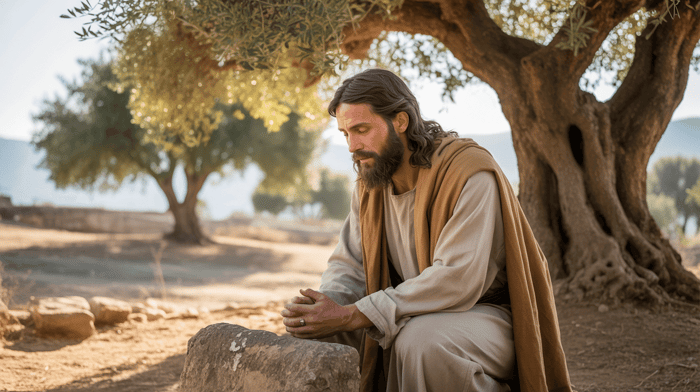
Gethsemane is one of the most significant locations in the New Testament. Found at the foot of the Mount of Olives, it is the place where Jesus spent His final hours before His arrest. This quiet garden holds deep meaning for Christians today.
1. Gethsemane Means “Oil Press”
The name Gethsemane comes from the Hebrew words gat (press) and shemanim (oils). It literally means “oil press.” This is fitting because olive trees grew there, and olives were pressed into oil—symbolizing the crushing Jesus would soon endure.
Mark 14:32 – “They went to a place called Gethsemane, and Jesus said to his disciples, ‘Sit here while I pray.’”
2. Jesus Prayed There in Deep Anguish
Jesus didn't just pray in Gethsemane—He poured out His soul. He knew the cross was coming and asked if the "cup" could pass from Him. Still, He surrendered fully to God’s will.
Matthew 26:39 – “My Father, if it is possible, may this cup be taken from me. Yet not as I will, but as you will.”
3. The Disciples Fell Asleep Three Times
Even though Jesus asked them to keep watch and pray, the disciples fell asleep—three separate times. This shows human weakness and the struggle to stay spiritually alert.
Mark 14:37 – “Simon, are you asleep? Couldn’t you keep watch for one hour?”
4. An Angel Strengthened Jesus
Luke is the only Gospel that mentions an angel coming to Jesus while He prayed. This moment highlights both His full humanity and His divine support.
Luke 22:43 – “An angel from heaven appeared to him and strengthened him.”
5. Jesus’ Sweat Became Like Drops of Blood
Luke also records that Jesus was in such agony that His sweat was like drops of blood. This may have been a medical condition known as hematidrosis, linked to extreme stress.
Luke 22:44 – “His sweat was like drops of blood falling to the ground.”
6. Judas Betrayed Jesus With a Kiss There
Gethsemane was the site of one of the most infamous betrayals in history. Judas Iscariot, one of Jesus’ twelve disciples, brought soldiers to arrest Him—identifying Jesus with a kiss.
Matthew 26:48–49 – “Now the betrayer had arranged a signal… Going at once to Jesus, Judas said, ‘Greetings, Rabbi!’ and kissed him.”
7. Peter Cut Off a Man’s Ear
During the arrest, Peter pulled out a sword and struck Malchus, a servant of the high priest. Jesus quickly healed the man and told Peter to put the sword away.
John 18:10 – “Then Simon Peter… drew it and struck the high priest’s servant, cutting off his right ear.”
8. Jesus Willingly Gave Himself Up
Though He had the power to stop everything, Jesus surrendered to the arrest. His words show His choice to obey the Father’s plan.
John 18:11 – “Shall I not drink the cup the Father has given me?”
9. The Garden Was a Regular Place of Prayer
Gethsemane wasn’t a random location—it was a place Jesus visited often with His disciples. That’s likely how Judas knew where to find Him.
John 18:2 – “Now Judas… knew the place, because Jesus had often met there with his disciples.”
10. Gethsemane Teaches Us to Submit to God
More than just a historical site, Gethsemane is a symbol of surrender. Jesus gave us the ultimate example of obedience in the face of suffering.
Hebrews 5:7–8 – “He offered up prayers and petitions with fervent cries… and he was heard because of his reverent submission.”
Summary Table
| Fact | Reference | Key Insight |
|---|---|---|
| Meaning of Gethsemane | Mark 14:32 | Place of crushing, like an olive press |
| Jesus’ intense prayer | Matthew 26:39 | Complete submission to God’s will |
| Disciples slept three times | Mark 14:37 | Human weakness in spiritual warfare |
| Angel gave Him strength | Luke 22:43 | Divine comfort in suffering |
| Sweat like blood | Luke 22:44 | Physical impact of emotional agony |
| Judas’ betrayal | Matthew 26:48–49 | A kiss used as a sign of betrayal |
| Peter cut off a man’s ear | John 18:10 | Impulsive defense rejected by Jesus |
| Jesus surrendered freely | John 18:11 | Willing obedience, not force |
| Frequent prayer spot | John 18:2 | Jesus’ routine with His disciples |
| Symbol of submission | Hebrews 5:7–8 | A lesson in yielding to God’s plan |