Table of Contents
- Why Bible History and Culture Matter
- The Role of Geography in the Bible
- Understanding the Timeline of Scripture
- Jewish Culture and Daily Life
- Laws, Customs, and Their Meaning
- How Culture Shapes Understanding of Jesus
- The Connection Between History and the Gospel
- Common Challenges Without Context
- How to Study Bible History and Culture
- Growing in Understanding and Faith
- Bringing It All Together
- FAQs
Bible History and Culture help bring the pages of Scripture to life. The Bible was not written in a vacuum. It was written across real places, real times, and real cultures. When you understand the historical and cultural context of Scripture, the meaning of many passages becomes clearer, richer, and easier to apply.
From ancient cities and empires to daily customs and religious practices, the Bible reflects a world that God worked through to reveal His truth. This understanding does not replace the message of Scripture—it strengthens it.
“For whatever things were written before were written for our learning, that through perseverance and through encouragement of the Scriptures we might have hope.” — Romans 15:4 (WEB)
This context gives depth to that learning. It helps readers see not only what God said, but also how and why He said it in specific moments in history through which God worked
Why Bible History and Culture Matter
Many parts of the Bible can seem difficult without context. Names, places, and customs may feel unfamiliar. But when you understand Bible History and Culture, those details begin to make sense.
What Context Helps You See
| Area | Without Context | With Context |
|---|---|---|
| Geography | Just place names | Real locations with meaning |
| Timeline | Events feel scattered | Clear flow of history |
| Culture | Strange customs | Purposeful practices |
| Teachings | Hard to grasp | Deep and practical |
Understanding context helps you read Scripture with clarity instead of confusion.
“Your word is a lamp to my feet, and a light for my path.” — Psalm 119:105 (WEB)
The light shines even brighter when you understand the setting.
The Role of Geography in the Bible
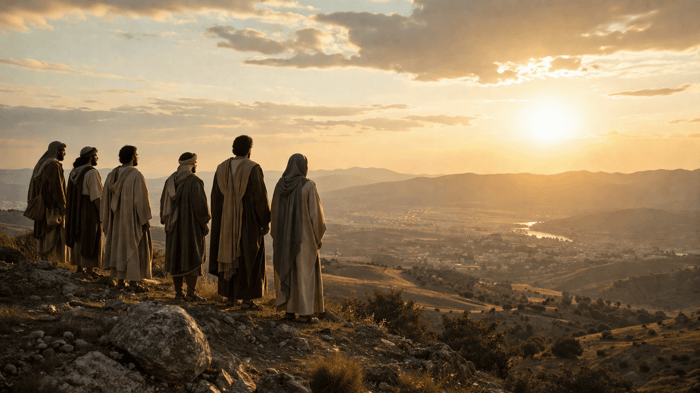
The Bible takes place in real locations across the ancient world. Mountains, deserts, rivers, and cities all play a role in the story of God’s people.
Geography shapes events, journeys, and even spiritual lessons.
Explore this topic further:
- Bible Places and Geography: Understanding Where the Bible Happened
- Geography of the Bible: Understanding Where Scripture Happened
“He made from one every nation of men to dwell on all the surface of the earth, having determined appointed seasons and the boundaries of their dwelling.” — Acts 17:26 (WEB)
How Geography Shapes the Story
- Deserts test faith and dependence
- Mountains mark encounters with God
- Rivers symbolize life and provision
- Cities reflect power, culture, and conflict
These locations are not random. They help tell the story God is unfolding.
Understanding the Timeline of Scripture
The Bible spans thousands of years. Without a sense of order, it can feel overwhelming. Bible History and Culture include understanding when events happened and how they connect.
Explore the timeline here:
“Remember the days of old. Consider the years of many generations.” — Deuteronomy 32:7 (WEB)
Key Periods in Biblical History
| Period | Description |
|---|---|
| Creation & Early World | Genesis beginnings |
| Patriarchs | Abraham, Isaac, Jacob |
| Exodus & Law | Moses and Israel’s formation |
| Kingdom | David, Solomon, divided kingdoms |
| Exile & Return | Captivity and restoration |
| New Testament Era | Life of Jesus and early church |
Seeing the flow of time helps connect God’s promises with their fulfillment.
Jewish Culture and Daily Life
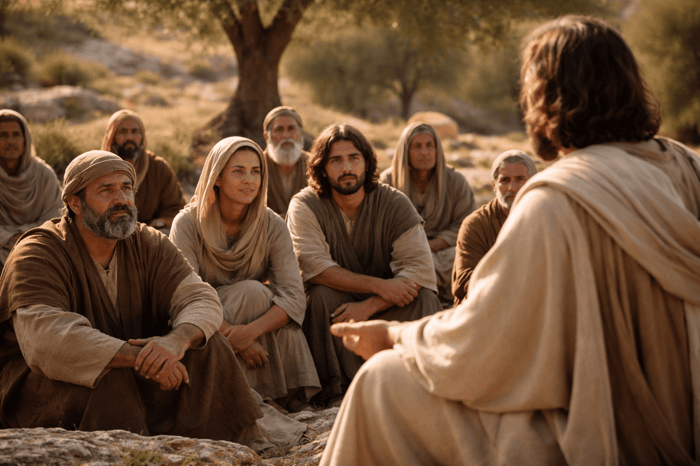
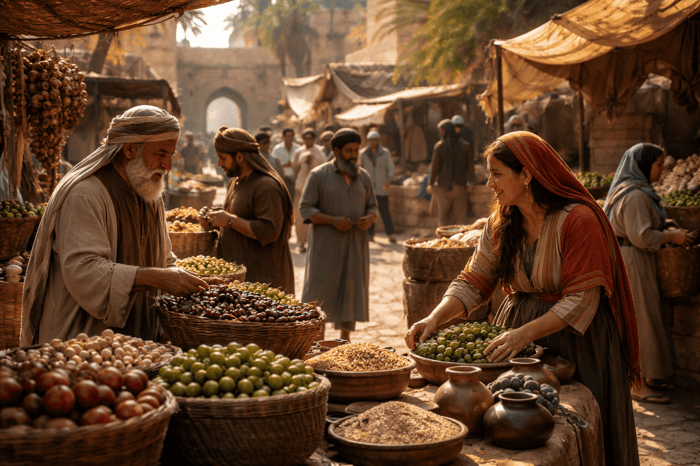
The Bible reflects a culture very different from modern life. Family structure, religious practices, and social roles all shaped how people lived and understood God.
Learn more here:
“You shall teach them diligently to your children, and shall talk of them when you sit in your house, and when you walk by the way.” — Deuteronomy 6:7 (WEB)
Key Cultural Elements
- Strong family and community ties
- Oral teaching and memorization
- Religious festivals and gatherings
- Honor and shame as guiding values
These cultural patterns help explain many teachings in Scripture.
Laws, Customs, and Their Meaning
Jewish laws and customs were central to daily life. They shaped everything from food to worship to social behavior.
Explore this topic:
“Therefore you shall keep my statutes and my ordinances; which if a man does, he shall live in them. I am Yahweh.” — Leviticus 18:5 (WEB)
What These Laws Show
| Aspect | Meaning |
|---|---|
| Clean vs. unclean | God’s holiness |
| Dietary laws | Separation from nations |
| Festivals | Remembering God’s work |
| Sacrifices | Atonement for sin |
These customs were not just rules. They pointed to deeper truths about God and humanity.
How Culture Shapes Understanding of Jesus
When Jesus entered the world, He stepped into this existing culture. His teachings often connected directly to the customs and expectations of His time.
“The Word became flesh and lived among us.” — John 1:14 (WEB)
Understanding Bible History and Culture helps explain:
- Why Jesus used parables
- Why religious leaders reacted strongly
- Why certain actions shocked people
- How His message fulfilled Old Testament expectations
Examples of Cultural Context in Jesus’ Teachings
- Shepherd imagery reflected common life
- Wedding feasts symbolized joy and covenant
- Farming parables connected with everyday work
Without context, these examples lose some of their meaning.
The Connection Between History and the Gospel
Bible History and Culture are not just background details. They connect directly to the message of salvation.
“But when the fullness of the time came, God sent out his Son, born to a woman, born under the law.” — Galatians 4:4 (WEB)
God worked through real history to bring about redemption through Jesus Christ.
Why This Matters
- The gospel is rooted in real events
- God’s promises unfold over time
- History shows God’s faithfulness
The story of Scripture is not fiction. It is the record of God’s work in the world.
Common Challenges Without Context
Many misunderstandings come from ignoring Bible History and Culture.
Common Issues
- Reading modern ideas into ancient texts
- Missing the meaning of symbols and practices
- Confusion about laws and commands
- Misunderstanding Jesus’ teachings
How Context Solves These Problems
| Challenge | Solution |
|---|---|
| Confusing passages | Historical background |
| Cultural differences | Understanding customs |
| Difficult teachings | Seeing original audience |
| Misapplied verses | Knowing context |
Context does not change truth. It clarifies it.
How to Study Bible History and Culture
You do not need to be an expert to grow in understanding. Simple steps can make a big difference.
Practical Ways to Learn
- Study maps and locations
- Follow a Bible timeline
- Learn basic cultural practices
- Read connected passages together
“Call to me, and I will answer you, and will show you great and difficult things, which you don’t know.” — Jeremiah 33:3 (WEB)
Growing in Understanding and Faith
Bible History and Culture are not just academic topics. They help believers grow in faith and understanding.
When you see how God worked through history, your trust in Him grows.
“Jesus Christ is the same yesterday, today, and forever.” — Hebrews 13:8 (WEB)
What This Growth Looks Like
- Greater confidence in Scripture
- Deeper understanding of God’s plan
- Stronger connection between Old and New Testament
- More meaningful personal application
Bringing It All Together
Bible History and Culture reveal the world behind Scripture. They show how God worked through real people, real places, and real events.
They help you read the Bible not as disconnected stories, but as one unified message.
Each place, custom, and moment points toward God’s greater purpose—to reveal Himself and bring salvation through Jesus Christ.
When you understand the setting, the message becomes clearer. When the message becomes clearer, your faith becomes stronger.
FAQs
What is Bible History and Culture?
Bible History and Culture refer to the real-world setting in which Scripture was written. This includes geography, timelines, customs, and daily life that shaped how people understood God’s message.
“For whatever things were written before were written for our learning, that through perseverance and through encouragement of the Scriptures we might have hope.” — Romans 15:4 (WEB)
Why is understanding Bible History and Culture important?
Understanding context helps readers correctly interpret Scripture. Without it, passages can seem confusing or misunderstood.
- Clarifies difficult passages
- Reveals deeper meaning
- Connects events across Scripture
“Your word is a lamp to my feet, and a light for my path.” — Psalm 119:105 (WEB)
How does geography affect the Bible?
Geography plays a key role in shaping events and lessons in Scripture.
| Location Type | Spiritual Meaning |
|---|---|
| Deserts | Testing and dependence |
| Mountains | Encounters with God |
| Rivers | Life and provision |
| Cities | Power and culture |
“He made from one every nation of men to dwell on all the surface of the earth, having determined appointed seasons and the boundaries of their dwelling.” — Acts 17:26 (WEB)
What role does the timeline play in understanding the Bible?
The Bible spans thousands of years. Understanding the timeline helps connect events and see how God’s plan unfolds.
- Shows progression of God’s promises
- Connects Old and New Testament
- Helps organize Scripture clearly
“Remember the days of old. Consider the years of many generations.” — Deuteronomy 32:7 (WEB)
How did Jewish culture shape the Bible?
Jewish culture influenced how people lived, worshiped, and understood God.
- Family-centered life
- Oral teaching traditions
- Religious festivals
- Honor and community values
“You shall teach them diligently to your children, and shall talk of them when you sit in your house, and when you walk by the way.” — Deuteronomy 6:7 (WEB)
What do Jewish laws and customs reveal about God?
Jewish laws and customs show God’s holiness, justice, and desire for a set-apart people.
| Law Type | Purpose |
|---|---|
| Clean/Unclean | Show holiness |
| Dietary laws | Set Israel apart |
| Festivals | Remember God’s works |
| Sacrifices | Atonement for sin |
“Therefore you shall keep my statutes and my ordinances; which if a man does, he shall live in them. I am Yahweh.” — Leviticus 18:5 (WEB)
How does Bible History and Culture help us understand Jesus?
Jesus lived within this historical and cultural setting. Understanding it helps explain His teachings and actions.
- Parables reflect daily life
- Religious conflicts make more sense
- Old Testament connections become clear
“The Word became flesh and lived among us.” — John 1:14 (WEB)
How does Bible History connect to the Gospel message?
The gospel is rooted in real history. God worked through time to bring salvation through Jesus Christ.
“But when the fullness of the time came, God sent out his Son, born to a woman, born under the law.” — Galatians 4:4 (WEB)
This aligns with the core message of Scripture—God created, mankind fell, and redemption came through Christ.
What are common mistakes when ignoring context?
Ignoring Bible History and Culture can lead to misunderstanding.
- Reading modern ideas into ancient texts
- Misinterpreting laws and teachings
- Missing symbolic meaning
| Problem | Result |
|---|---|
| No context | Confusion |
| Cultural gap | Misunderstanding |
| Isolated reading | Misapplied truth |
How can I start learning Bible History and Culture?
You can begin with simple steps:
- Study Bible maps
- Follow a timeline
- Learn basic customs
- Read related passages together
“Call to me, and I will answer you, and will show you great and difficult things, which you don’t know.” — Jeremiah 33:3 (WEB)