Table of Contents
- What Was the Temple of God?
- Temple and God's Holiness in the Old Testament
- Solomon's Temple Explained
- God's Presence in the Temple
- Holiness in the Temple
- Why Sacrifices Were Offered at the Temple
- Jesus and the Temple
- Jesus Fulfilled the Temple
- Believers Are God's Temple
- What the Temple Teaches About Worship
- Temple and God's Holiness Still Matter Today
- FAQs
The connection between temple and God's holiness helps us understand why the temple mattered so much in Scripture. It was not just a beautiful building. It represented God's holy presence among His people.
The temple showed that God is near, but not casual. He is gracious, but He is also pure. He welcomes worship, but He must be approached in the way He provides.
From Solomon's temple to the coming of Jesus, the temple points to a deeper truth. Holy God desires to dwell with His people, and He makes a way for sinners to come near.
What Was the Temple of God?
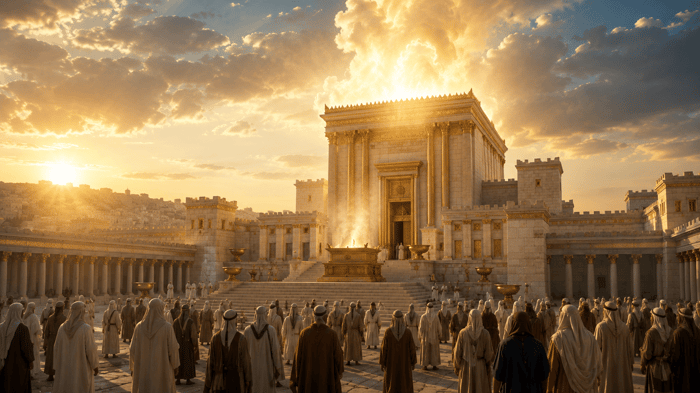
The temple was the permanent house of worship in Jerusalem. It replaced the portable tabernacle used by Israel in the wilderness.
The temple of God meaning is tied to God's presence, worship, sacrifice, and holiness. It was the place where Israel gathered to seek the Lord according to His commands.
When Solomon built the temple, he knew God could not be contained in a building.
"But will God in very deed dwell on the earth? Behold, heaven and the heaven of heavens can't contain you; how much less this house that I have built!"
1 Kings 8:27 (WEB)
The temple was not built because God needed a house. It was built because God chose to make His presence known among His people in a special way.
Temple and God's Holiness in the Old Testament
The theme of temple and God's holiness runs through the Old Testament. The temple was set apart from ordinary use because it was connected to the worship of the Lord.
The priests, sacrifices, altar, and inner rooms all taught Israel that God is holy.
"Exalt the Lord our God;
worship at his footstool!
Holy is he!"
Psalm 99:5 (ESV)
The temple reminded Israel that worship was not based on personal opinion. God told His people how to approach Him.
This mattered because sin had separated humanity from God. The temple revealed that fellowship with God required cleansing, sacrifice, and mediation.
Solomon's Temple Explained
Solomon's temple was built in Jerusalem after years of preparation by King David. Solomon finished the work and dedicated the temple to the Lord.
When the temple was completed, God's glory filled it.
"And when the priests came out of the Holy Place, a cloud filled the house of the Lord, so that the priests could not stand to minister because of the cloud, for the glory of the Lord filled the house of the Lord."
1 Kings 8:10-11 (ESV)
This moment showed that the temple was not merely a royal project. God Himself made His presence known.
Solomon's temple explained the same truth the tabernacle had taught before it. God was present with His people, yet His holiness required reverence.
| Temple Feature | What It Showed |
|---|---|
| Altar | Sin required sacrifice |
| Priests | People needed a mediator |
| Holy Place | Worship required holiness |
| Most Holy Place | God's presence was set apart |
| Veil | Sin limited direct access |
God's Presence in the Temple
God's presence in the temple was a gift of grace. The Lord did not abandon His people. He chose to dwell among them.
Yet God's presence could not be treated like a common thing. The temple taught Israel that nearness to God was a holy privilege.
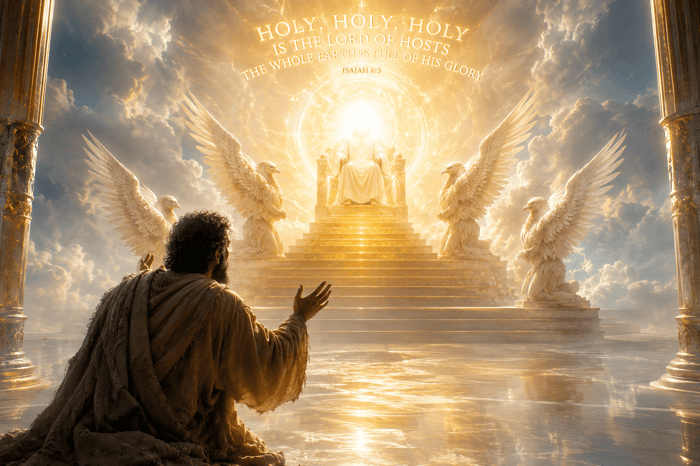
But the Lord is in his holy temple;
let all the earth keep silence before him.”
Habakkuk 2:20 (ESV)
This kind of silence is not empty fear. It is reverence. It is the right response to the holy God who rules over all creation.
The temple reminded Israel that worship begins with awe.
Holiness in the Temple
Holiness in the temple was seen in its design, worship, sacrifices, and restrictions. Not everyone could go everywhere.
Only priests could enter certain areas. Only the high priest could enter the Most Holy Place, and only at the appointed time with blood.
"But into the second, the high priest alone, once in the year, not without blood, which he offers for himself and for the errors of the people."
Hebrews 9:7 (WEB)
This was not meant to make God seem cruel or distant. It revealed that sinful people cannot rush into the presence of a holy God on their own terms.
The connection between temple and God's holiness shows why worship required sacrifice. Sin is serious because God is holy.
Why Sacrifices Were Offered at the Temple
Sacrifices were offered because sin brings guilt before God. The blood of animals did not remove sin in a final way, but it pointed forward to the sacrifice that would.
The worship system taught Israel that forgiveness required atonement.
"For the life of the flesh is in the blood. I have given it to you on the altar to make atonement for your souls; for it is the blood that makes atonement by reason of the life."
Leviticus 17:11 (WEB)
The temple sacrifices were repeated because they were not the final answer. They were signs pointing to something greater.
They prepared God's people to understand the work of Christ.
Jesus and the Temple
Jesus and the temple are deeply connected. Jesus came to fulfill what the temple represented.
In His earthly ministry, Jesus cleansed the temple because worship had been corrupted.
"He said to them, 'It is written, "My house shall be called a house of prayer," but you have made it a den of robbers!'"
Matthew 21:13 (WEB)
Jesus cared about the temple because it was tied to God's holy name. It was not a place for greed, pride, or empty religion.
But Jesus also pointed beyond the physical building. He spoke of His own body as the true temple.
"Jesus answered them, 'Destroy this temple, and in three days I will raise it up.'"
John 2:19 (WEB)
John explains that Jesus was speaking about His body. In Christ, God's presence came near in a greater way than ever before.
Jesus Fulfilled the Temple
The temple showed the need for sacrifice, priesthood, holiness, and access to God. Jesus fulfilled all of these.
He is the final sacrifice for sin. He is the true High Priest. He is the mediator between God and humanity.
"For there is one God, and one mediator between God and men, the man Christ Jesus."
1 Timothy 2:5 (WEB)
When Jesus died, the temple veil was torn.
"Behold, the veil of the temple was torn in two from the top to the bottom."
Matthew 27:51 (WEB)
This showed that the barrier had been removed through Christ's death. Sinners could now draw near to God through faith in Jesus.
The meaning of temple and God's holiness becomes clearer at the cross. God did not ignore sin. He dealt with it through His Son.
Believers Are God's Temple
The New Testament also teaches that believers are God's temple. This does not mean Christians replace God's holiness with casual living. It means God's Spirit dwells in His people.
"Don't you know that you are a temple of God, and that God's Spirit lives in you?"
1 Corinthians 3:16 (WEB)
This truth gives believers both comfort and responsibility and helps explain the continuing importance of temple and God's holiness for Christians today.
God is not far away from His people. He lives in them by His Spirit.
But because believers are God's temple, they are called to live holy lives.
"Or don't you know that your body is a temple of the Holy Spirit who is in you, whom you have from God? You are not your own."
1 Corinthians 6:19 (WEB)
This affects how Christians think, speak, worship, and live.
What the Temple Teaches About Worship
The temple teaches that worship is not mainly about feelings, music, buildings, or outward beauty. Worship is about God.
God is holy. That means worship must be shaped by reverence, truth, humility, and faith.
The temple helps us remember:
- God is present with His people
- God is holy and must be honored
- Sin creates separation from God
- Sacrifice is needed for forgiveness
- Jesus provides true access to God
- Believers now belong to God as His temple
This is why the temple remains important for Christians today. It points us to Christ and reminds us that God's presence is a holy gift.
Temple and God's Holiness Still Matter Today
The relationship between temple and God's holiness still matters because it helps us understand the whole story of Scripture.
The temple revealed God's desire to dwell with His people. It also showed that sin could not be ignored. Access to God required sacrifice, cleansing, and a mediator.
Jesus fulfilled what the temple represented. Through His death and resurrection, He opened the way for sinners to come near to God.
Now believers are God's temple by the Holy Spirit. This means God's people are called to worship with reverence, live in holiness, and rest in the finished work of Christ.
The temple was never just about a building. It was about the holy God who dwells with His people and makes a way for them to draw near.
FAQs
What was the purpose of the temple in the Bible?
The temple was the central place of worship for God's people in Jerusalem. It represented God's presence among Israel and served as the location for sacrifices, prayer, and worship.
The temple reminded God's people that He is both near and holy.
"But will God in very deed dwell on the earth? Behold, heaven and the heaven of heavens can't contain you; how much less this house that I have built!"
1 Kings 8:27 (WEB)
What is the temple of God meaning?
The temple of God meaning goes beyond a physical building. It symbolized God's dwelling place among His people and revealed His holiness, glory, and desire for fellowship with them.
The temple also taught that access to God required sacrifice and mediation because of sin.
"It came to pass, when the priests had come out of the holy place, that the cloud filled Yahweh's house, so that the priests could not stand to minister by reason of the cloud; for Yahweh's glory filled Yahweh's house."
1 Kings 8:10-11 (WEB)
Why is God's holiness connected to the temple?
The temple was designed to display God's holiness. Its courts, priesthood, sacrifices, and restricted areas taught that God is completely pure and set apart from sin.
Everything about the temple reminded worshipers that God must be approached with reverence and according to His commands.
"Exalt Yahweh our God. Worship at his footstool. He is holy!"
Psalm 99:5 (WEB)
What did the Most Holy Place represent?
The Most Holy Place represented God's special dwelling place among His people. It contained the Ark of the Covenant and was separated from the rest of the temple by a veil.
Only the high priest could enter, and only once each year on the Day of Atonement.
"But into the second, the high priest alone, once in the year, not without blood, which he offers for himself and for the errors of the people."
Hebrews 9:7 (WEB)
Why were sacrifices offered at the temple?
The sacrifices taught that sin brings guilt before God and that forgiveness requires atonement.
Animal sacrifices could not permanently remove sin, but they pointed forward to the perfect sacrifice that Jesus Christ would offer on the cross.
"For the life of the flesh is in the blood. I have given it to you on the altar to make atonement for your souls; for it is the blood that makes atonement by reason of the life."
Leviticus 17:11 (WEB)
How does temple and God's holiness relate to salvation?
The relationship between temple and God's holiness helps explain the gospel.
The temple revealed both God's desire to dwell with His people and humanity's inability to approach Him because of sin. The sacrifices, priests, and veil all showed that sinners could not remove the barrier between themselves and a holy God.
Jesus fulfilled everything the temple pointed toward. He became the perfect sacrifice for sin, the true High Priest, and the mediator between God and humanity. Through His death and resurrection, He made a way for sinners to be reconciled to God.
The temple story reflects humanity's separation from God because of sin and God's provision of salvation through His Son.
"For there is one God, and one mediator between God and men, the man Christ Jesus."
1 Timothy 2:5 (WEB)
Why was the temple veil torn when Jesus died?
The tearing of the temple veil signified that the barrier separating sinners from God's presence had been removed.
Because of Christ's sacrifice, believers can now come directly to God through faith in Jesus.
"Behold, the veil of the temple was torn in two from the top to the bottom."
Matthew 27:51 (WEB)
What does it mean that believers are God's temple?
The New Testament teaches that God's Spirit lives within believers. Christians are now described as God's temple because His presence dwells in them.
This truth brings comfort, but it also calls believers to live holy lives that honor God.
"Don't you know that you are a temple of God, and that God's Spirit lives in you?"
1 Corinthians 3:16 (WEB)
What can Christians learn from the temple today?
Christians can learn that God is holy, worship matters, and access to God comes only through Jesus Christ.
The temple points believers to Christ's finished work and reminds them to worship God with reverence, gratitude, and faith.
"Yahweh is in his holy temple. Let all the earth be silent before him!"
Habakkuk 2:20 (WEB)