Table of Contents
- What Are the Pauline Epistles?
- Why the Pauline Epistles Still Matter Today
- What the Bible Teaches Through the Pauline Epistles
- Exploring the Pauline Epistles Through Key Articles
- Romans: The Foundation of the Gospel
- Corinthians: Living Out Faith Together
- Galatians: Freedom in Christ
- Ephesians: Identity and Unity
- Philippians: Joy in Every Circumstance
- Colossians: The Supremacy of Christ
- Thessalonians: Hope and Readiness
- Pastoral Letters: Leadership and Faithfulness
- Philemon: Forgiveness and Reconciliation
- How the Pauline Epistles Connect to the Gospel
- Practical Ways to Study the Pauline Epistles
- Living Out the Message of the Pauline Epistles
- Final Thoughts on the Pauline Epistles
- FAQs
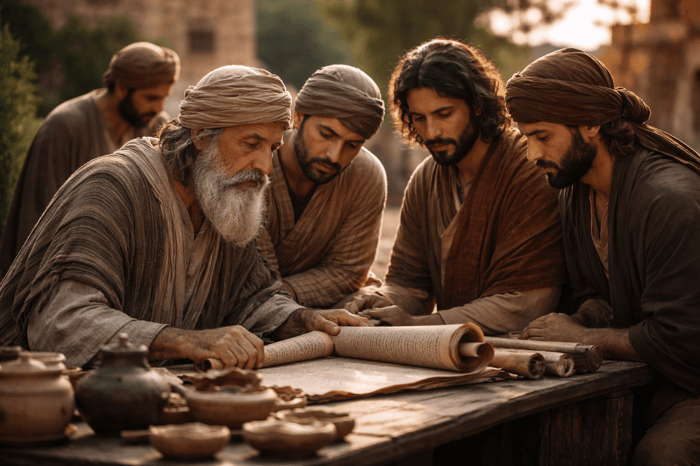
The Pauline Epistles are a collection of letters written by the apostle Paul to churches and individuals in the early Christian world. These letters form a large part of the New Testament and provide clear teaching about salvation, Christian living, and the growth of the church. When you study these letters, you begin to understand how the gospel shapes everyday life and how believers are called to live in Christ.
These letters include Romans, 1–2 Corinthians, Galatians, Ephesians, Philippians, Colossians, 1–2 Thessalonians, 1–2 Timothy, Titus, and Philemon. Each one speaks into real situations while pointing to timeless truth.
“All Scripture is God-breathed and profitable for teaching, for reproof, for correction, and for instruction in righteousness.”
— 2 Timothy 3:16 (WEB)
What Are the Pauline Epistles?
The Pauline Epistles are letters written by Paul to guide, correct, and encourage believers. They address both doctrine (what we believe) and practice (how we live).
Overview of the Pauline Epistles
| Letter | Audience | Key Theme |
|---|---|---|
| Romans | Church in Rome | Salvation by grace |
| 1 Corinthians | Church in Corinth | Church unity and holiness |
| 2 Corinthians | Church in Corinth | Strength in weakness |
| Galatians | Churches in Galatia | Freedom in Christ |
| Ephesians | Church in Ephesus | Identity in Christ |
| Philippians | Church in Philippi | Joy in Christ |
| Colossians | Church in Colossae | Supremacy of Christ |
| 1 Thessalonians | Church in Thessalonica | Hope and readiness |
| 2 Thessalonians | Church in Thessalonica | Christ’s return |
| 1 Timothy | Timothy | Church leadership |
| 2 Timothy | Timothy | Faithfulness |
| Titus | Titus | Sound doctrine |
| Philemon | Philemon | Forgiveness |
Each letter builds a deeper understanding of the gospel and how it applies to daily life.
“For I am not ashamed of the Good News of Christ, for it is the power of God for salvation for everyone who believes.”
— Romans 1:16 (WEB)
Why the Pauline Epistles Still Matter Today
These letters are deeply practical. They address issues like division, temptation, leadership, and faith. These are still relevant today.
Key Lessons You Can Apply
- Salvation comes by grace through faith
- Believers are called to live holy lives
- The church is meant to be unified
- God’s strength works through weakness
- Faith should shape daily choices
“Therefore if anyone is in Christ, he is a new creation. The old things have passed away. Behold, all things have become new.”
— 2 Corinthians 5:17 (WEB)
These truths connect to the message of salvation found throughout Scripture, showing how a relationship with Christ transforms a person’s life.
What the Bible Teaches Through the Pauline Epistles
These letters help explain key doctrines and show how they apply in real life.
1. Salvation by Grace Through Faith
One of the clearest teachings in Paul’s letters is that salvation is a gift from God.
“For by grace you have been saved through faith, and that not of yourselves; it is the gift of God.”
— Ephesians 2:8 (WEB)
This truth is central to understanding the gospel.
2. Life in Christ
Paul teaches that believers are changed through their relationship with Jesus.
“I have been crucified with Christ, and it is no longer I that live, but Christ living in me.”
— Galatians 2:20 (WEB)
This new life affects how we think, act, and live.
3. Unity in the Church
The Pauline Epistles stress the importance of unity among believers.
“Make every effort to keep the unity of the Spirit in the bond of peace.”
— Ephesians 4:3 (WEB)
The church is meant to reflect Christ’s love and truth.
4. Perseverance and Faithfulness
Paul encourages believers to remain faithful, even in hardship.
“I have fought the good fight. I have finished the course. I have kept the faith.”
— 2 Timothy 4:7 (WEB)
This call to endurance is a strong theme throughout these writings.
Exploring the Pauline Epistles Through Key Articles
Below are helpful articles that explore each letter and its message in more detail.
Romans: The Foundation of the Gospel
“The righteous will live by faith.”
— Romans 1:17 (WEB)
Corinthians: Living Out Faith Together
- 10 Interesting Facts About 1 Corinthians in the Bible
- 10 Interesting Facts About 2 Corinthians in the Bible
“Love is patient and is kind.”
— 1 Corinthians 13:4 (WEB)
Galatians: Freedom in Christ
“For freedom Christ has set us free.”
— Galatians 5:1 (WEB)
Ephesians: Identity and Unity
“For we are his workmanship, created in Christ Jesus for good works.”
— Ephesians 2:10 (WEB)
Philippians: Joy in Every Circumstance
- 10 Interesting Facts About the Book of Philippians
- A Deeper Look at Philippians 1: Finding Joy in Every Circumstance
- A Study of Philippians 2: The Mindset of Christ
“Rejoice in the Lord always! Again I will say, rejoice!”
— Philippians 4:4 (WEB)
Colossians: The Supremacy of Christ
“He is the image of the invisible God.”
— Colossians 1:15 (WEB)
Thessalonians: Hope and Readiness
- 10 Interesting Facts About 1 Thessalonians in the Bible
- 10 Interesting Facts About 2 Thessalonians in the Bible
“The Lord himself will descend from heaven with a shout.”
— 1 Thessalonians 4:16 (WEB)
Pastoral Letters: Leadership and Faithfulness
- 10 Interesting Facts About 1 Timothy in the Bible
- 10 Interesting Facts About 2 Timothy in the Bible
- 10 Interesting Facts About the Book of Titus
- 10 Interesting Facts About Titus in the Bible
“Preach the word. Be urgent in season and out of season.”
— 2 Timothy 4:2 (WEB)
Philemon: Forgiveness and Reconciliation
“Receive him as you would receive me.”
— Philemon 1:17 (WEB)
How the Pauline Epistles Connect to the Gospel
These letters clearly explain the gospel and how it applies to life.
Key Connections
- They explain salvation through Jesus Christ
- They teach how to live as a believer
- They show the role of the church
- They point to future hope
“Christ died for our sins according to the Scriptures.”
— 1 Corinthians 15:3 (WEB)
These truths align with the message that God provides salvation through His Son and calls believers into a transformed life.
Practical Ways to Study the Pauline Epistles
These letters are rich in teaching, but they are also practical and easy to apply.
Easy Study Steps
- Read one letter at a time
- Pay attention to the audience
- Look for repeated themes
- Apply the teaching to daily life
Helpful Focus Areas
| Focus Area | Why It Matters |
|---|---|
| Doctrine | Understand core beliefs |
| Application | Live out your faith |
| Context | Understand the situation |
| Encouragement | Grow spiritually |
“Let the word of Christ dwell in you richly.”
— Colossians 3:16 (WEB)
Living Out the Message of the Pauline Epistles
These writings are meant to be lived, not just read. They call believers to grow and mature in faith.
What You Can Do Today
- Trust in Christ for salvation
- Walk in obedience
- Grow in spiritual maturity
- Serve others in love
“Walk by the Spirit, and you won’t fulfill the lust of the flesh.”
— Galatians 5:16 (WEB)
These letters remind us that following Christ changes every part of life.
Final Thoughts on the Pauline Epistles
These letters provide a strong foundation for understanding the Christian faith. They explain the gospel, guide believers, and encourage spiritual growth.
When you read these letters, you are not just learning theology—you are learning how to live as a follower of Christ in a real and practical way.
FAQs
What are the Pauline Epistles?
The Pauline Epistles are letters written by the apostle Paul to churches and individuals, teaching about salvation, faith, and Christian living.
“Paul, a servant of Jesus Christ, called to be an apostle, set apart for the Good News of God.”
— Romans 1:1 (WEB)
How many Pauline Epistles are there?
There are thirteen Pauline Epistles in the New Testament, including Romans, Corinthians, Galatians, and others written to churches and leaders.
“All Scripture is God-breathed and profitable for teaching, for reproof, for correction, and for instruction in righteousness.”
— 2 Timothy 3:16 (WEB)
What is the main message of the Pauline Epistles?
The main message is that salvation comes through Jesus Christ by grace through faith, leading to a transformed life.
“For by grace you have been saved through faith, and that not of yourselves; it is the gift of God.”
— Ephesians 2:8 (WEB)
Why did Paul write these letters?
Paul wrote to guide believers, correct errors, encourage faith, and strengthen churches in their walk with Christ.
“These things I write to you… that you may know how men ought to behave in God’s house.”
— 1 Timothy 3:14–15 (WEB)
What do the Pauline Epistles teach about salvation?
They clearly teach that salvation is a gift from God, not earned by works, but received through faith in Jesus Christ.
“Therefore being justified by faith, we have peace with God through our Lord Jesus Christ.”
— Romans 5:1 (WEB)
How do the Pauline Epistles describe life in Christ?
They show that believers are made new and are called to live by the Spirit, growing in faith and obedience.
“If then you were raised together with Christ, seek the things that are above.”
— Colossians 3:1 (WEB)
What do the Pauline Epistles say about the church?
They teach that the church is the body of Christ, where believers are united and serve one another in love.
“Now you are the body of Christ, and members individually.”
— 1 Corinthians 12:27 (WEB)
What is the role of love in the Pauline Epistles?
Love is central to Christian living and is described as the greatest expression of faith.
“But now faith, hope, and love remain—these three. The greatest of these is love.”
— 1 Corinthians 13:13 (WEB)
How do the Pauline Epistles encourage perseverance?
Paul encourages believers to remain faithful and endure through trials with hope in Christ.
“I have fought the good fight. I have finished the course. I have kept the faith.”
— 2 Timothy 4:7 (WEB)
How do the Pauline Epistles connect to the gospel?
They explain the gospel message and show how God restores people through Jesus Christ.
“Christ died for our sins according to the Scriptures.”
— 1 Corinthians 15:3 (WEB)
What can we learn from Paul’s letters to leaders like Timothy and Titus?
They provide guidance on leadership, sound teaching, and living a life that honors God.
“Hold to the faithful word which is according to the teaching.”
— Titus 1:9 (WEB)
How should I study the Pauline Epistles?
Read them carefully, understand the context, and apply their teachings to your daily life.
“Let the word of Christ dwell in you richly.”
— Colossians 3:16 (WEB)