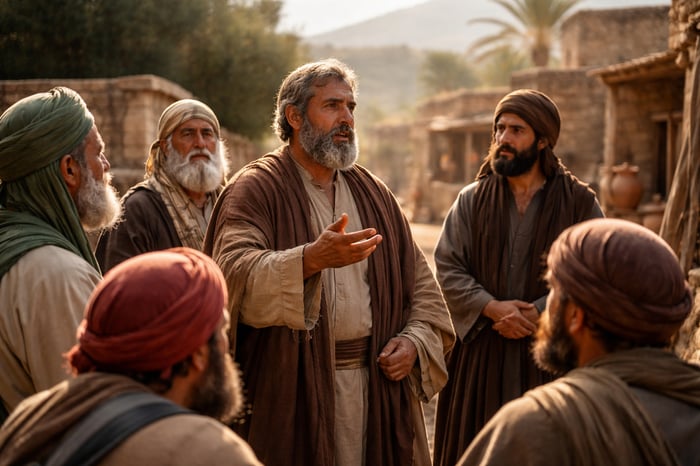
Table of Contents
- What Are the Minor Prophets?
- Why the Minor Prophets Still Matter Today
- What the Bible Teaches Through the Minor Prophets
- Exploring the Minor Prophets Through Key Articles
- Hosea: God’s Faithful Love
- Joel: The Call to Repentance
- Amos: Justice and Righteousness
- Obadiah: God’s Judgment
- Micah: Justice and Mercy
- Nahum: God’s Power
- Habakkuk: Faith in Difficult Times
- Zephaniah: The Day of the Lord
- Haggai: Obedience and Renewal
- Zechariah: Visions of Hope
- Malachi: A Final Call to Faithfulness
- How the Minor Prophets Connect to the Gospel
- Practical Ways to Study the Minor Prophets
- Living Out the Message of the Minor Prophets
- Final Thoughts on the Minor Prophets
- FAQs
The Minor Prophets are a group of twelve books in the Old Testament that carry powerful messages about God’s justice, mercy, and faithfulness. Even though they are shorter than other prophetic books, these writings speak clearly about sin, repentance, and hope. When you study these books, you begin to see how God calls His people back to Him while pointing forward to restoration and redemption.
These books include Hosea, Joel, Amos, Obadiah, Jonah, Micah, Nahum, Habakkuk, Zephaniah, Haggai, Zechariah, and Malachi. Together, they form a strong and unified message about who God is and how He works in the lives of people and nations.
“But let justice roll on like rivers, and righteousness like a mighty stream.”
— Amos 5:24 (WEB)
What Are the Minor Prophets?
These books are called “minor” because of their shorter length, not because their message is less important. These books were written over several centuries and speak into different moments of Israel’s history.
Overview of the Minor Prophets
| Prophet | Focus | Key Theme |
|---|---|---|
| Hosea | God’s faithful love | Restoration |
| Joel | Day of the Lord | Repentance |
| Amos | Justice | Righteous living |
| Obadiah | Judgment on Edom | God’s justice |
| Jonah | God’s mercy to nations | Compassion and repentance |
| Micah | Judgment and hope | Messiah promise |
| Nahum | Fall of Nineveh | God’s justice |
| Habakkuk | Faith in hardship | Trusting God |
| Zephaniah | Day of the Lord | Renewal |
| Haggai | Rebuilding the temple | Obedience |
| Zechariah | Visions of hope | Future restoration |
| Malachi | Final call to repentance | Faithfulness |
Each book may be short, but the message is strong and clear: God sees, God speaks, and God calls people to respond.
“The Lord is slow to anger, and abundant in loving kindness, forgiving iniquity and disobedience.”
— Numbers 14:18 (WEB)
Why the Minor Prophets Still Matter Today
These books speak directly to real-life struggles. They deal with injustice, pride, spiritual drift, and the need for repentance. These are not just ancient issues—they are still present today.
Key Lessons from These Books
- God cares about justice and truth
- God calls people to turn from sin
- God is patient but also just
- God restores those who return to Him
- God keeps His promises
“Seek the Lord and live,”
— Amos 5:6 (ESV)
These messages connect to the larger story of Scripture, showing both the problem of sin and the need for salvation.
What the Bible Teaches Through the Minor Prophets
These writings reveal important truths about God’s character and His plan.
1. God’s Justice Is Real
Many of these prophets spoke against injustice, corruption, and false worship.
“Woe to those who devise iniquity and work evil on their beds!”
— Micah 2:1 (WEB)
God sees wrongdoing and calls people to live in righteousness.
2. God Desires Repentance
The call to turn back to God is a central message.
“Yet even now,” declares the Lord,
“return to me with all your heart,
with fasting, with weeping, and with mourning;”
— Joel 2:12 (ESV)
God does not only warn—He invites people to return to Him.
3. God Is Merciful and Compassionate
Even in judgment, God shows mercy.
“But you are a gracious and merciful God, slow to anger, and abundant in loving kindness.”
— Jonah 4:2 (WEB)
This balance of justice and mercy runs through the Minor Prophets.
4. God Promises Future Hope
These books point to restoration and future blessing.
“But to you who fear my name shall the sun of righteousness arise with healing in its wings.”
— Malachi 4:2 (WEB)
This hope connects directly to the coming of Christ.
Exploring the Minor Prophets Through Key Articles
Below are helpful articles that explore each prophet and their message in more detail.
Hosea: God’s Faithful Love
“I desire mercy, and not sacrifice; and the knowledge of God more than burnt offerings.”
— Hosea 6:6 (WEB)
Joel: The Call to Repentance
“It will happen afterward, that I will pour out my Spirit on all flesh.”
— Joel 2:28 (WEB)
Amos: Justice and Righteousness
“But let justice roll on like rivers, and righteousness like a mighty stream.”
— Amos 5:24 (WEB)
Obadiah: God’s Judgment
“For the day of the Lord is near upon all the nations.”
— Obadiah 1:15 (ESV)
Micah: Justice and Mercy
“He has shown you, O man, what is good.”
— Micah 6:8 (WEB)
Nahum: God’s Power
“The Lord is good,
a stronghold in the day of trouble;
he knows those who take refuge in him.”
— Nahum 1:7 (ESV)
Habakkuk: Faith in Difficult Times
“The righteous will live by his faith.”
— Habakkuk 2:4 (WEB)
Zephaniah: The Day of the Lord
“The Lord your God is in your midst,
a mighty one who will save;”
— Zephaniah 3:17 (ESV)
Haggai: Obedience and Renewal
“Consider your ways!”
— Haggai 1:5 (WEB)
Zechariah: Visions of Hope
“Not by might, nor by power, but by my Spirit, says the Lord of hosts.
— Zechariah 4:6 (ESV)
Malachi: A Final Call to Faithfulness
“I have loved you,” says the Lord.
— Malachi 1:2 (ESV)
How the Minor Prophets Connect to the Gospel
The Minor Prophets point forward to Jesus and the message of salvation. They reveal the need for repentance and the promise of restoration.
Key Connections
- They show the seriousness of sin
- They call people to repentance
- They point to future redemption
- They reveal God’s plan for salvation
“And it shall come to pass that everyone who calls on the name of the Lord shall be saved.”
— Joel 2:32 (ESV)
These truths align with the gospel message that God provides a way to restore people through Jesus Christ.
Practical Ways to Study the Minor Prophets
These books may seem short, but they are rich in meaning. A simple approach helps bring clarity.
Easy Study Steps
- Read one book at a time
- Look for repeated themes
- Focus on God’s character
- Connect the message to your life
Helpful Focus Areas
| Focus Area | Why It Matters |
|---|---|
| Context | Understand historical setting |
| Themes | Identify repeated truths |
| Prophecy | See future fulfillment |
| Application | Apply to daily life |
“Your word is a lamp to my feet, and a light for my path.”
— Psalm 119:105 (WEB)
Living Out the Message of the Minor Prophets
These writings are not only about warning—they are about transformation. They call people to live differently.
What You Can Do Today
- Turn away from sin
- Seek God daily
- Trust God’s plan
- Live with faith and obedience
“Seek the Lord, all you humble of the land,
who do his just commands;
seek righteousness; seek humility;”
— Zephaniah 2:3 (ESV)
Their message reminds us that God is always calling people back to Him and offering hope.
Final Thoughts on the Minor Prophets
These books may be short, but their message is deep and lasting. They show God’s justice, mercy, and faithfulness across generations. They warn, they invite, and they point toward redemption.
When you read these books, you are not just learning history—you are seeing God’s heart and His plan for the world.
FAQs
What are the Minor Prophets in the Bible?
The Minor Prophets are twelve short books in the Old Testament that deliver powerful messages about God’s justice, mercy, and call to repentance.
“Surely the Lord Yahweh will do nothing, unless he reveals his secret to his servants the prophets.”
— Amos 3:7 (WEB)
Why are they called “Minor Prophets”?
They are called “minor” because of their length, not their importance. Their message is just as significant as any other part of Scripture.
“All Scripture is God-breathed and profitable for teaching, for reproof, for correction, and for instruction in righteousness.”
— 2 Timothy 3:16 (WEB)
How many Minor Prophets are there?
There are twelve Minor Prophets: Hosea, Joel, Amos, Obadiah, Jonah, Micah, Nahum, Habakkuk, Zephaniah, Haggai, Zechariah, and Malachi.
“The Lord Yahweh has spoken. Who can but prophesy?”
— Amos 3:8 (WEB)
What is the main message of the Minor Prophets?
The main message is a call to turn from sin, trust God, and live in obedience, while holding onto hope for restoration.
“Yet even now,” says Yahweh, “turn to me with all your heart.”
— Joel 2:12 (WEB)
What makes the book of Jonah unique?
Jonah focuses on God’s mercy toward a non-Israelite nation and shows that God cares for all people.
“Shouldn’t I be concerned for Nineveh, that great city…?”
— Jonah 4:11 (WEB)
What do the Minor Prophets teach about God’s justice?
They show that God sees sin and will bring justice, especially against injustice and wrongdoing.
“But let justice roll on like rivers, and righteousness like a mighty stream.”
— Amos 5:24 (WEB)
Do the Minor Prophets talk about God’s mercy?
Yes, they clearly show that God is compassionate and ready to forgive those who turn back to Him.
“But you are a gracious and merciful God, slow to anger, and abundant in loving kindness.”
— Jonah 4:2 (WEB)
How do the Minor Prophets point to Jesus?
They reveal the need for salvation and point forward to a future hope fulfilled in Christ.
“But to you who fear my name shall the sun of righteousness arise with healing in its wings.”
— Malachi 4:2 (WEB)
What can we learn from Habakkuk?
Habakkuk teaches that we can trust God even when we do not understand what He is doing.
“The righteous will live by his faith.”
— Habakkuk 2:4 (WEB)
Why is Malachi important?
Malachi gives a final call to repentance and points forward to the coming of the Lord.
“I have loved you,” says Yahweh.
— Malachi 1:2 (WEB)
How do the Minor Prophets connect to salvation?
They show the problem of sin and point to God’s plan to restore people through Jesus Christ.
“Everyone who calls on Yahweh’s name will be saved.”
— Joel 2:32 (WEB)
How should I read the Minor Prophets?
Read them slowly, look for repeated themes, and focus on what they reveal about God’s character and His plan.
“Your word is a lamp to my feet, and a light for my path.”
— Psalm 119:105 (WEB)