Table of Contents
- What Are the Historical Books?
- Why the Historical Books Matter
- Overview of the Historical Books
- Key Themes Found in the Historical Books
- Exploring the Historical Books Through These Articles
- How the Historical Books Fit in the Bible
- How to Study the Historical Books
- Why the Historical Books Still Matter Today
- How These Books Point to Jesus
- Key Takeaways
- Final Reflection
- FAQs
The Historical Books of the Bible tell the story of God’s people across generations. When you read the Historical Books, you are not just reading events—you are seeing how God works through real people, real struggles, and real moments in history. These books reveal God’s faithfulness, His justice, and His mercy as He leads Israel through conquest, kingship, exile, and restoration.
These writings show that history is not random. God is actively guiding His people and fulfilling His promises, even when they fail or fall away.
“Know therefore that the Lord your God is God, the faithful God who keeps covenant and steadfast love with those who love him and keep his commandments, to a thousand generations,” — Deuteronomy 7:9 (ESV)
What Are the Historical Books?
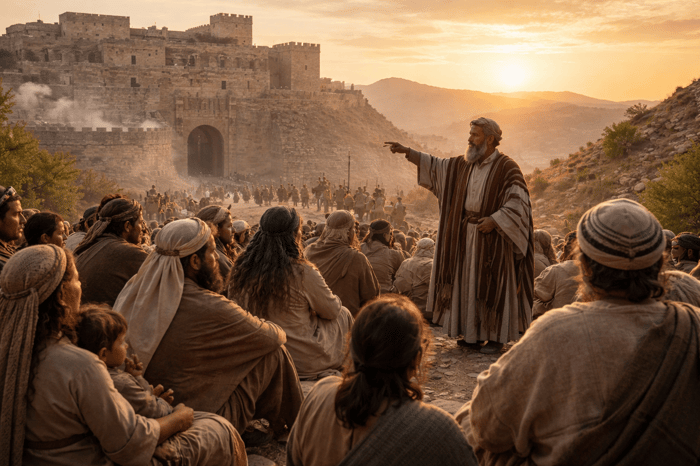
The Historical Books are a section of the Old Testament that records the history of Israel after the time of Moses. They cover the journey into the Promised Land, the rise and fall of kings, and the eventual return from exile.
These books include:
- Joshua
- Judges
- Ruth
- 1 Samuel
- 2 Samuel
- 1 Kings
- 2 Kings
- 1 Chronicles
- 2 Chronicles
- Ezra
- Nehemiah
- Esther
Each book builds on the one before it, forming a continuous story of God’s people.
“Remember the days of old. Consider the years of many generations.” — Deuteronomy 32:7 (WEB)
Why the Historical Books Matter
The Historical Books matter because they show how God interacts with His people over time. They reveal patterns that still apply today.
These books help answer questions like:
- What happens when people follow God?
- What happens when they turn away?
- How does God remain faithful despite human failure?
“The things which happened to them were written for our learning.” — 1 Corinthians 10:11 (WEB)
Through these accounts, we see that obedience brings blessing, while disobedience leads to consequences. Yet even in failure, God continues His plan.
Overview of the Historical Books
To understand this section clearly, it helps to see the progression of events.
| Period | Books | Focus |
|---|---|---|
| Conquest | Joshua | Entering the Promised Land |
| Judges | Judges, Ruth | Cycles of sin and deliverance |
| Kingdom | 1–2 Samuel, 1–2 Kings | Rise and fall of kings |
| Reflection | 1–2 Chronicles | Spiritual perspective on kings |
| Return | Ezra, Nehemiah, Esther | Restoration after exile |
This structure shows how the story unfolds across time.
Key Themes Found in the Historical Books
These books share several important themes that shape our understanding of God and His people.
1. God’s Faithfulness
Even when people fail, God keeps His promises.
“And now I am about to go the way of all the earth, and you know in your hearts and souls, all of you, that not one word has failed of all the good things[a] that the Lord your God promised concerning you. All have come to pass for you; not one of them has failed.” — Joshua 23:14 (ESV)
God’s faithfulness is constant throughout every generation.
2. Obedience and Consequences
Choices matter. Obedience leads to blessing, while disobedience leads to hardship.
“And if you faithfully obey the voice of the Lord your God, being careful to do all his commandments that I command you today, the Lord your God will set you high above all the nations of the earth. 2 And all these blessings shall come upon you and overtake you, if you obey the voice of the Lord your God.” — Deuteronomy 28:1–2 (ESV)
The Historical Books clearly show the results of both paths.
3. Leadership and Responsibility
Leaders play a major role in shaping the direction of the people.
- Joshua leads with faith
- David seeks God’s heart
- Many kings lead the nation away
“The king shall write for himself a copy of this law… and read in it all the days of his life.” — Deuteronomy 17:18–19 (WEB)
Leadership matters, and it carries great responsibility.
4. God’s Mercy in Failure
Even when Israel turns away, God offers restoration.
“If my people… humble themselves, pray, seek my face… then I will hear from heaven.” — 2 Chronicles 7:14 (WEB)
God’s mercy is seen again and again.
5. God’s Sovereignty Over History
God is in control, even when events seem chaotic.
“The Lord brings the counsel of the nations to nothing;” — Psalm 33:10 (ESV)
These books remind us that God is always working behind the scenes.
Exploring the Historical Books Through These Articles
These articles will help you understand the people, events, and lessons found in this part of Scripture.
Early History and Conquest
- 10 Interesting Facts About Joshua From the Bible
- 10 Interesting Facts About the Book of Joshua
- 10 Interesting Facts About the Book of Judges
Judges and Ruth
The Kings of Israel
- 10 Interesting Facts About 1 Samuel in the Bible
- 10 Interesting Facts About 2 Samuel in the Bible
- 10 Interesting Facts About 1 Kings in the Bible
- 10 Interesting Facts About 2 Kings in the Bible
Chronicles and Spiritual Reflection
- 10 Interesting Facts About 1 Chronicles in the Bible
- 10 Interesting Facts About 2 Chronicles in the Bible
Return and Restoration
- 10 Interesting Facts About Ezra in the Bible
- 10 Interesting Facts About the Book of Ezra
- 10 Interesting Facts About the Book of Nehemiah
- 10 Interesting Facts About Esther from the Bible
- 10 Interesting Facts About the Book of Esther
How the Historical Books Fit in the Bible
These books connect the Law (first five books) with the Prophets and the rest of Scripture.
- They show the fulfillment of God’s promises
- They explain Israel’s spiritual condition
- They prepare the way for future prophecy
“The Lord has established his throne in the heavens,
and his kingdom rules over all.” — Psalm 103:19 (ESV)
They provide the context needed to understand the rest of the Bible.
How to Study the Historical Books
If you want to understand these writings more clearly, follow these simple steps.
Look for Patterns
You will notice repeated cycles:
- Sin
- Consequences
- Repentance
- Restoration
Focus on God’s Character
Ask:
- What does this show about God’s faithfulness?
- How does God respond to people?
Learn from the People
The lives of individuals provide real examples:
- Joshua shows courage
- Ruth shows loyalty
- David shows both faith and failure
“Now all these things happened to them by way of example.” — 1 Corinthians 10:11 (WEB)
Why the Historical Books Still Matter Today
These books are not just ancient history. They speak directly to life today.
They show that choices matter
What we do has real consequences.
They remind us God is faithful
Even when we fail, God continues His work.
They point forward to Christ
The need for a perfect King becomes clear.
“Your throne, O God, is forever and ever.” — Psalm 45:6 (WEB)
How These Books Point to Jesus
The Historical Books prepare the way for Jesus in several ways:
- The need for a perfect King
- The failure of human leadership
- The promise of restoration
David points forward to a greater King. The broken system of kings shows the need for someone better.
“I will set up your seed after you… and I will establish his kingdom.” — 2 Samuel 7:12–13 (WEB)
Jesus fulfills what these books point toward.
Key Takeaways
- The Historical Books record Israel’s journey with God
- They reveal God’s faithfulness and justice
- They show the impact of obedience and disobedience
- They prepare the way for Jesus Christ
Final Reflection
When you read the Historical Books, you begin to see that God is always at work. These stories are not just about the past—they help us understand the present and point us toward the future.
God’s plan moves forward, generation after generation, leading to the ultimate fulfillment in Jesus Christ.
FAQs
What are the Historical Books in the Bible?
The Historical Books are Old Testament writings that record the history of Israel, showing how God worked through real events and people.
“Remember the days of old. Consider the years of many generations.” — Deuteronomy 32:7 (WEB)
Which books are included in the Historical Books?
These books include Joshua, Judges, Ruth, 1–2 Samuel, 1–2 Kings, 1–2 Chronicles, Ezra, Nehemiah, and Esther.
“Not one thing has failed of all the good things which Yahweh your God spoke.” — Joshua 23:14 (WEB)
What is the main message of the Historical Books?
The main message is that God remains faithful to His people, even when they fail, and continues His plan of salvation.
“Know therefore that Yahweh your God himself is God, the faithful God.” — Deuteronomy 7:9 (WEB)
What do the Historical Books teach about obedience?
They show that obedience leads to blessing, while disobedience brings consequences.
“If you will listen to the voice of Yahweh your God… all these blessings will come on you.” — Deuteronomy 28:1–2 (WEB)
How do the Historical Books show God’s faithfulness?
Even when Israel turns away, God continues to keep His promises and provide a way forward.
“Yahweh… keeps covenant and loving kindness.” — Deuteronomy 7:9 (WEB)
What role do kings play in the Historical Books?
Kings lead the nation and influence its direction, showing both the impact of godly leadership and the danger of turning away from God.
“The king shall write for himself a copy of this law… and read in it all the days of his life.” — Deuteronomy 17:18–19 (WEB)
How do the Historical Books point to Jesus?
They reveal the need for a perfect King and Savior, which is fulfilled in Jesus Christ.
“I will set up your seed after you… and I will establish his kingdom.” — 2 Samuel 7:12–13 (WEB)
What can we learn from the people in the Historical Books?
Their lives provide examples of faith, failure, repentance, and restoration.
“Now all these things happened to them by way of example.” — 1 Corinthians 10:11 (WEB)
Why are the Historical Books important for Christians today?
They help us understand God’s character, His plan, and how He works through history and in our lives.
“Yahweh has established his throne in the heavens. His kingdom rules over all.” — Psalm 103:19 (WEB)
How should we apply the lessons from the Historical Books?
We should trust God, obey His Word, and learn from both the successes and failures recorded in Scripture.
“Trust in Yahweh with all your heart, and don’t lean on your own understanding.” — Proverbs 3:5–6 (WEB)