Table of Contents
- The Setting of John 14:9
- Whoever Has Seen Me Has Seen the Father: What Did Jesus Mean?
- Jesus Reveals the Father Perfectly
- What Jesus Shows Us About the Father
- The Father and the Son Are Distinct
- Why This Statement Supports the Deity of Jesus
- Jesus Reveals the Father's Love Through the Cross
- What This Means for Faith
- How to Know the Father Through Jesus
- Seeing the Father Changes How We Live
- The Main Point of John 14:9
- FAQs
When Jesus said, "Whoever has seen me has seen the Father," He was not claiming that He and the Father are the same Person. He was teaching that He reveals the Father so fully and truly that to know Jesus is to know what God is like.
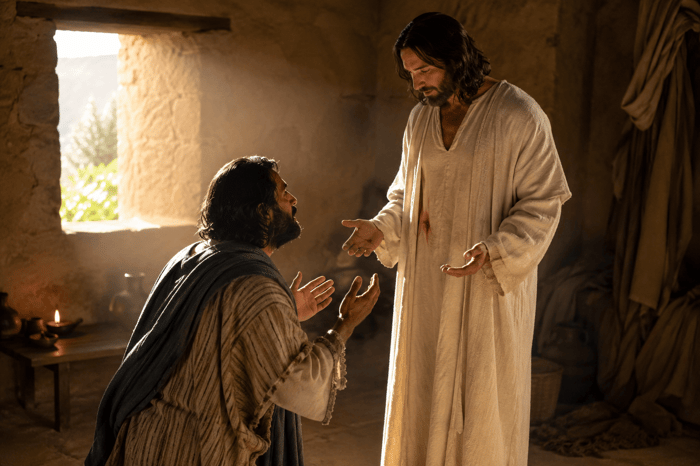
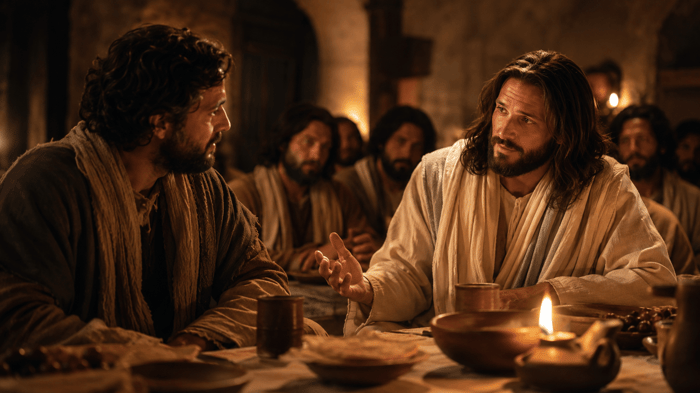
This statement comes from a tender conversation between Jesus and His disciples on the night before His crucifixion. Philip asked Jesus to show them the Father. Jesus answered by pointing Philip back to Himself.
The meaning is both simple and deep. Jesus does not give us a partial picture of God. He is the perfect revelation of the Father.
The Setting of John 14:9
John 14 begins with comfort. Jesus told His disciples not to let their hearts be troubled. He was preparing them for His departure, but He also promised that they would not be abandoned.
Philip then made a request:
Philip said to him, "Lord, show us the Father, and that will be enough for us."
John 14:8 (WEB)
Philip wanted something visible and certain. He may have been thinking of Old Testament moments when God revealed His glory in a striking way.
Jesus responded:
Jesus said to him, "Have I been with you such a long time, and do you not know me, Philip? He who has seen me has seen the Father. How do you say, 'Show us the Father'?"
John 14:9 (WEB)
The phrase "Whoever has seen me has seen the Father" answers Philip's request. Jesus was saying that Philip had already been given what he was asking for. He had seen the Father's character, words, compassion, holiness, and power revealed through Jesus.
Whoever Has Seen Me Has Seen the Father: What Did Jesus Mean?
Jesus did not mean that the Father has a human body like His earthly body. He also did not mean that the Father and the Son are the same Person.
The Father is the Father, and the Son is the Son. Yet the Son perfectly reveals the Father because He shares the divine nature and lives in complete unity with Him.
Jesus continued:
Don't you believe that I am in the Father, and the Father in me? The words that I tell you, I speak not from myself; but the Father who lives in me does his works.
John 14:10 (WEB)
This helps explain "Whoever has seen me has seen the Father." Jesus speaks the Father's words and does the Father's works. There is no conflict between them. Jesus never gives a false picture of God.
To look at Jesus is to see the Father's heart made known in a human life. "Whoever has seen me has seen the Father" means that the character of God is revealed without error in the Son.
Jesus Reveals the Father Perfectly
The Bible teaches that no created person has seen God in all His unveiled glory. God is spirit, holy, eternal, and beyond the limits of human sight.
Yet God has made Himself known through His Son.
No one has seen God at any time. The one and only Son, who is in the bosom of the Father, he has declared him.
John 1:18 (WEB)
Jesus reveals the Father because He comes from the Father and knows Him fully. He does not guess what God is like. He makes the unseen God known.
This is why "Whoever has seen me has seen the Father" is more than a statement about good moral character. Jesus is not only saying, "I act like God." He is saying that the Father is truly revealed in Him.
Paul expressed the same truth:
He is the image of the invisible God, the firstborn of all creation.
Colossians 1:15 (WEB)
The word "image" does not mean Jesus is a created copy. It means He makes the invisible God known. The Son is the visible revelation of the God we cannot see.
What Jesus Shows Us About the Father
When we study Jesus, we learn what the Father is like. His life gives us a true picture of God's character.
| What Jesus Shows | How We See It |
|---|---|
| God's compassion | Jesus welcomed the weak, sick, grieving, and rejected |
| God's holiness | Jesus never sinned and never treated evil as harmless |
| God's truth | Jesus spoke with grace and never hid what people needed to hear |
| God's mercy | Jesus forgave sinners who came to Him in faith |
| God's authority | Jesus commanded storms, disease, demons, and death |
| God's love | Jesus gave His life to save sinners |
This table helps explain the show me the Father meaning in John 14. Philip wanted to see God, but Jesus had already shown him the Father's character through every word and work.
"Whoever has seen me has seen the Father" means that Jesus does not reveal only one part of God's character. His compassion, authority, holiness, truth, justice, and mercy all give us a faithful picture of the Father.
The Father and the Son Are Distinct
Some readers misunderstand "Whoever has seen me has seen the Father" as if Jesus were saying, "I am the Father." That is not what the passage teaches.
Jesus prayed to the Father. He was sent by the Father. He obeyed the Father. The Father loved the Son, and the Son loved the Father.
The Father loves the Son, and has given all things into his hand.
John 3:35 (WEB)
These statements make no sense if the Father and Son are the same Person. The Bible shows personal distinction, yet also perfect unity.
Jesus said:
I and the Father are one.
John 10:30 (WEB)
They are one in divine nature, purpose, truth, and glory. The Son does not compete with the Father. He reveals Him.
The John 14:9 meaning becomes clear when we hold several biblical truths together:
- The Father and the Son are distinct Persons.
- The Son perfectly reveals the Father.
- The Son shares the divine glory and nature of God.
- The words and works of Jesus show the Father's will.
- The Son acts in complete unity with the Father.
The statement "Whoever has seen me has seen the Father" teaches unity without removing the personal distinction between the Father and the Son.
Why This Statement Supports the Deity of Jesus
No prophet could truthfully say, "Whoever has seen me has seen the Father." Prophets spoke for God, but they did not claim to reveal God perfectly in their own person.
Jesus is different. He is not only a messenger carrying God's words. He is the eternal Son who came from the Father.
His Son is the radiance of his glory, the very image of his substance, and upholding all things by the word of his power.
Hebrews 1:3 (WEB)
Jesus shares the Father's glory and perfectly represents His being. This is why His words in John 14 carry such weight.
"Whoever has seen me has seen the Father" points beyond the idea that Jesus was only a wise teacher. His claim rests on His unique identity as the eternal Son of God.
A mere human teacher could show some traits that reflect God. A prophet could deliver a true message from God. Yet neither could claim to reveal the Father perfectly.
Jesus can make this claim because He shares the divine nature. He is God the Son, who came into the world in human flesh.
Jesus Reveals the Father's Love Through the Cross
The clearest picture of the Father's love is seen in the saving work of Jesus. The cross was not Jesus trying to persuade an unwilling Father to love sinners.
The Father sent the Son because He loved the world. The Son willingly gave Himself because He shares that same love.
By this God's love was revealed in us, that God has sent his one and only Son into the world that we might live through him.
1 John 4:9 (WEB)
When Jesus suffered for sinners, He revealed the Father's holy love. God does not ignore sin, but He provides the sacrifice needed for forgiveness.
This gives "Whoever has seen me has seen the Father" a Gospel focus. In Jesus, we see that God is both just and merciful. He condemns sin, yet He saves those who trust in His Son.
But God commends his own love toward us, in that while we were yet sinners, Christ died for us.
Romans 5:8 (WEB)
The cross shows us what God is like. He is not distant from human pain. He enters our broken world, bears judgment, and opens the way back to Himself.
God's love was not a response to our goodness. He acted in love toward sinners who could not save themselves.
What This Means for Faith
Philip wanted a greater sign, but Jesus called him to believe based on what had already been revealed.
The same call comes to us. We do not need to invent our own picture of God. We look to Jesus.
When people imagine God apart from Christ, they may see Him as harsh, weak, uncaring, or easy to please. Jesus corrects those false pictures.
In Jesus we see a God who is:
- holy without cruelty
- loving without ignoring sin
- powerful without selfishness
- truthful without deception
- merciful without injustice
- near to those who call on Him
The phrase "Whoever has seen me has seen the Father" invites us to trust the God Jesus reveals. His character is not hidden from us because He has made Himself known through His Son.
How to Know the Father Through Jesus
Jesus did more than teach information about God. He came to bring sinners into a restored relationship with the Father.
Jesus said to him, "I am the way, the truth, and the life. No one comes to the Father, except through me."
John 14:6 (WEB)
We come to the Father through the Son. We do not earn our way through good works, religion, family history, or moral effort.
Sin separates us from God, and we cannot remove our own guilt. Jesus died for our sins and rose again. Those who turn from sin and trust in Him receive forgiveness and eternal life.
To believe that Jesus reveals the Father is also to receive His testimony about our need for salvation. We cannot say we want God while rejecting the Son He sent.
He who has the Son has the life. He who doesn't have God's Son doesn't have the life.
1 John 5:12 (WEB)
Knowing the Father begins with knowing Jesus as Lord and Savior. The truth that "Whoever has seen me has seen the Father" calls us to more than admiration. It calls us to faith, repentance, worship, and obedience.
Seeing the Father Changes How We Live
If Jesus reveals the Father, then His life becomes the clearest pattern for how God's children should live.
We learn compassion from His care for the suffering. We learn obedience from His submission to the Father. We learn truth from His teaching. We learn love from His sacrifice.
This does not mean believers become divine. It means they are changed to reflect the character of Christ.
The more clearly we see Jesus, the more false ideas about God begin to fade. Fear gives way to trust. Pride gives way to worship. Self-rule gives way to obedience.
"Whoever has seen me has seen the Father" is not only a truth to study. It is a truth that calls us to follow Christ.
Christians can ask several questions as they seek to reflect Him:
- Am I treating people with the compassion Jesus showed?
- Am I taking sin as seriously as Jesus did?
- Am I willing to speak truth with love?
- Am I obeying God even when obedience costs me something?
- Am I trusting the Father's character when life is painful?
Jesus reveals the Father, and the Holy Spirit transforms believers so that their lives begin to reflect Christ.
The Main Point of John 14:9
The main point is that Jesus reveals the Father perfectly. Philip asked to see God, and Jesus told him that the Father had already been made known through the Son.
Jesus is not the Father, but He is one with the Father in divine nature and purpose. His words are the Father's words. His works reveal the Father's works. His love shows the Father's love.
"Whoever has seen me has seen the Father" gives us confidence that Jesus provides a true and complete revelation of God's character. We do not have to build our understanding of God from human ideas, feelings, or guesses.
Because Jesus reveals the Father, we do not have to wonder what God is like. We look at Christ.
And because Jesus came to save, we do not only learn about the Father from a distance. Through faith in the Son, we are forgiven, brought near, and welcomed into God's family.
FAQs
What does "Whoever has seen me has seen the Father" mean?
When Jesus said, "Whoever has seen me has seen the Father," He was teaching that He perfectly reveals the Father's character, nature, and will. Jesus is not the Father, but He is one with the Father in divine nature. Everything Jesus said and did showed the world what God is truly like.
Jesus said to him, "Have I been with you such a long time, and do you not know me, Philip? He who has seen me has seen the Father. How do you say, 'Show us the Father'?"
John 14:9 (WEB)
What is the show me the Father meaning in John 14?
Philip asked Jesus to "show us the Father" because he wanted a clearer revelation of God. Jesus answered that the disciples had already seen the Father through Him. The show me the Father meaning is that Jesus is God's perfect revelation, making the invisible Father known through His life, teaching, miracles, and character.
Philip said to him, "Lord, show us the Father, and that will be enough for us."
John 14:8 (WEB)
No one has seen God at any time. The one and only Son, who is in the bosom of the Father, he has declared him.
John 1:18 (WEB)
Does John 14:9 mean Jesus is the Father?
No. The Bible clearly teaches that the Father and the Son are distinct Persons. Jesus prayed to the Father, was sent by the Father, and spoke of His relationship with the Father. John 14:9 teaches that Jesus perfectly reveals the Father, not that He is the same Person as the Father.
I and the Father are one.
John 10:30 (WEB)
The Father loves the Son, and has given all things into his hand.
John 3:35 (WEB)
How does Jesus reveal the Father?
Jesus reveals the Father's holiness, love, mercy, justice, wisdom, and authority. His compassion for sinners, His miracles, His perfect obedience, and His sacrifice on the cross all show us what God is like. If you want to know the Father's heart, look at the life of Jesus.
He is the image of the invisible God, the firstborn of all creation.
Colossians 1:15 (WEB)
His Son is the radiance of his glory, the very image of his substance, and upholding all things by the word of his power.
Hebrews 1:3 (WEB)
Why is John 14:9 important for understanding who Jesus is?
John 14:9 is one of the clearest statements showing that Jesus is far more than a prophet or teacher. Only the eternal Son of God could truthfully say that seeing Him is seeing the Father. This passage helps us understand that Jesus fully shares the divine nature while remaining distinct from the Father.
Don't you believe that I am in the Father, and the Father in me? The words that I tell you, I speak not from myself; but the Father who lives in me does his works.
John 14:10 (WEB)
How does "Whoever has seen me has seen the Father" point to the Gospel?
The statement "Whoever has seen me has seen the Father" reveals God's heart toward sinners. When Jesus willingly died on the cross and rose again, He showed both the Father's justice against sin and His love for those who cannot save themselves. To reject Jesus is to reject the Father's provision for salvation, but those who trust in Christ are forgiven and brought into a relationship with God.
But God commends his own love toward us, in that while we were yet sinners, Christ died for us.
Romans 5:8 (WEB)
Jesus said to him, "I am the way, the truth, and the life. No one comes to the Father, except through me."
John 14:6 (WEB)
He who has the Son has the life. He who doesn't have God's Son doesn't have the life.
1 John 5:12 (WEB)
Can we know what God is like today?
Yes. God has revealed Himself through His Son, and the testimony of Jesus has been preserved in Scripture. As we read the Gospels, we see the Father's character displayed through Christ's words, actions, and sacrifice. We do not have to guess what God is like because Jesus reveals the Father perfectly.
Jesus therefore cried out and said, "He who believes in me, believes not in me, but in him who sent me. He who sees me sees him who sent me."
John 12:44-45 (WEB)