
Table of Contents
- What Is Rejecting Christ? (Bible Meaning)
- Key Truth
- What Is Blasphemy of the Holy Spirit?
- What It Means
- Blasphemy of the Holy Spirit vs Rejecting Christ (Key Differences)
- Why Rejecting Christ Can Still Be Forgiven
- Why Blasphemy of the Holy Spirit Is Different
- Unforgivable Sin vs Unbelief
- Eternal Sin vs Unbelief (Why the Outcome Is Different)
- Real-Life Example: Two Different Paths
- How the Holy Spirit Works in Both Cases
- The Gospel: The Turning Point
- What This Means for You
- Clear Takeaways
- Final Clarity
- FAQs
Many people ask about blasphemy of the holy spirit vs rejecting christ because both seem serious and both involve rejecting God in some way. This can lead to confusion and fear.
Are they the same thing? Are they different? And why does one seem unforgivable while the other is not?
The Bible gives clear answers. When we understand blasphemy of the holy spirit vs rejecting christ, we also understand how salvation works—and why there is still hope.
What Is Rejecting Christ? (Bible Meaning)
Let’s start with the basic idea of rejecting Christ.
To reject Christ means:
- Refusing to believe in Jesus
- Not trusting Him as Savior
- Turning away from the truth
“He who believes in him is not judged. He who doesn’t believe has been judged already, because he has not believed in the name of the one and only Son of God.”
— John 3:18 (WEB)
Key Truth
Rejecting Christ is:
- Serious
- Sinful
- Dangerous
But it is still forgivable while a person is alive.
“Everyone who calls on the name of the Lord will be saved.”
— Romans 10:13 (WEB)
This means someone can reject Christ for years—and still turn to Him later.
What Is Blasphemy of the Holy Spirit?
Now let’s look at the other side.
“Whoever may blaspheme against the Holy Spirit never has forgiveness, but is guilty of an eternal sin.”
— Mark 3:29 (WEB)
This statement sounds very different.
What It Means
Blasphemy of the Holy Spirit is:
- A clear and ongoing rejection of truth
- A hardened heart toward God
- Calling what is from God “evil”
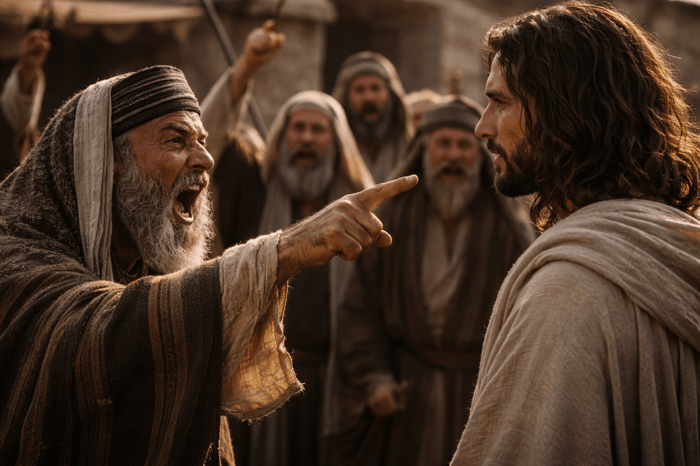
In context, the religious leaders saw Jesus’ miracles and said they came from Satan.
Blasphemy of the Holy Spirit vs Rejecting Christ (Key Differences)
To fully understand blasphemy of the holy spirit vs rejecting christ, we need to compare them side by side.
Side-by-Side Comparison
| Category | Rejecting Christ | Blasphemy of the Holy Spirit |
|---|---|---|
| Awareness | May involve ignorance or doubt | Happens with full awareness |
| Heart condition | Can still change | Hardened and resistant |
| Forgiveness | Available if you turn to Christ | Not forgiven |
| Duration | Can be temporary | Final and ongoing |
| Response to truth | Questions or resists | Fully rejects and opposes |
This comparison helps explain blasphemy of the holy spirit vs rejecting christ in a simple and biblical way.
Why Rejecting Christ Can Still Be Forgiven
This is where many people get confused.
Rejecting Christ is serious, but it is not unforgivable by itself.
“The Lord is not slow concerning his promise… but is patient with us, not wishing that any should perish, but that all should come to repentance.”
— 2 Peter 3:9 (WEB)
God gives people time to respond.
Example: The Apostle Paul
Paul once rejected Christ and even persecuted believers.
“Even though I was formerly a blasphemer, a persecutor, and insolent, however, I obtained mercy, because I did it ignorantly in unbelief.”
— 1 Timothy 1:13 (WEB)
Paul rejected Jesus—but he was forgiven.
Why Blasphemy of the Holy Spirit Is Different
Blasphemy of the Spirit is not just rejection—it is final rejection.
“You always resist the Holy Spirit.”
— Acts 7:51 (WEB)
This kind of person:
- Sees the truth clearly
- Knows what is right
- Still refuses it completely
Key Insight
It is not that God refuses to forgive.
It is that the person refuses to repent.
Unforgivable Sin vs Unbelief
Many people ask about unforgivable sin vs unbelief.
Here’s the difference:
- Unbelief = not yet believing
- Unforgivable sin = refusing to ever believe
“He who believes in the Son has eternal life, but he who disobeys the Son won’t see life, but the wrath of God remains on him.”
— John 3:36 (WEB)
Unbelief can change.
A hardened heart refuses to change.
Eternal Sin vs Unbelief (Why the Outcome Is Different)
The Bible uses the phrase “eternal sin” for blasphemy of the Spirit.
“Is guilty of an eternal sin.”
— Mark 3:29 (WEB)
Why It Is Called Eternal
| Reason | Explanation |
|---|---|
| No repentance | The person refuses to turn |
| Full rejection | Truth is clearly known |
| Permanent choice | The heart is hardened |
This is different from someone who is still searching or struggling.
Real-Life Example: Two Different Paths
Let’s make this simple.
Person 1: Rejecting Christ
- Grew up hearing about Jesus
- Chooses not to believe
- Later becomes open to truth
- Turns to Christ and is saved
Person 2: Blasphemy of the Spirit
- Clearly sees God’s truth
- Understands it fully
- Calls it false or evil
- Refuses it completely
These are not the same path.
How the Holy Spirit Works in Both Cases
Understanding holy spirit rejection explained helps bring clarity.
“When he has come, he will convict the world about sin, about righteousness, and about judgment.”
— John 16:8 (WEB)
The Role of the Spirit
- Convicts people of sin
- Points people to Christ
- Reveals truth
Rejecting Christ may still include conviction.
Blasphemy rejects that conviction entirely.
The Gospel: The Turning Point
At the center of this topic is the Gospel.
People reject Christ because of sin, and sin separates us from God. But God made a way back through Jesus.
“For God so loved the world, that he gave his one and only Son, that whoever believes in him should not perish, but have eternal life.”
— John 3:16 (WEB)
The Key Difference Comes Here
- Rejecting Christ = not yet accepting the Gospel
- Blasphemy of the Spirit = rejecting the Gospel completely and finally
What This Means for You
This comparison is not meant to create fear. It is meant to bring clarity.
If You Are Concerned
- You have not committed the unforgivable sin
- Your heart is still responsive
- The Holy Spirit is still working
“A broken and contrite heart, O God, you will not despise.”
— Psalm 51:17 (WEB)
Clear Takeaways
To summarize blasphemy of the holy spirit vs rejecting christ:
- Rejecting Christ can be forgiven
- Blasphemy of the Spirit is final rejection
- One leaves room for repentance
- The other refuses repentance completely
“He who comes to me I will in no way throw out.”
— John 6:37 (WEB)
Final Clarity
In blasphemy of the holy spirit vs rejecting christ, the difference is not about one sin being "worse" in action.
It is about the heart’s final response to Jesus.
- A person who rejects Christ can still turn
- A person who blasphemes the Spirit will not turn
If you are asking questions, seeking truth, or feeling concern, that is not rejection. That is a sign that God is still drawing you.
FAQs
What is the difference between rejecting Christ and blasphemy of the Holy Spirit?
The key difference in blasphemy of the holy spirit vs rejecting Christ is the condition of the heart.
“He who believes in him is not judged. He who doesn’t believe has been judged already.”
— John 3:18 (WEB)
- Rejecting Christ can come from doubt or ignorance
- Blasphemy of the Spirit is a final and full rejection of known truth
One can still change. The other refuses to change.
Is rejecting Jesus the same as committing the unforgivable sin?
No. Rejecting Jesus and the unforgivable sin are not the same.
“Everyone who calls on the name of the Lord will be saved.”
— Romans 10:13 (WEB)
Rejecting Christ is serious, but a person can still turn and be forgiven. The unforgivable sin is a complete refusal to ever turn.
What is the unforgivable sin vs unbelief?
Understanding unforgivable sin vs unbelief helps remove confusion.
“Whoever may blaspheme against the Holy Spirit never has forgiveness.”
— Mark 3:29 (WEB)
- Unbelief = not yet believing
- Unforgivable sin = rejecting truth completely and permanently
Unbelief can lead to faith. A hardened heart refuses it.
Can someone reject Christ and still be saved later?
Yes. Many people reject Christ for a time and later believe.
“The Lord… is patient with us, not wishing that any should perish, but that all should come to repentance.”
— 2 Peter 3:9 (WEB)
God gives time for repentance. Salvation is still open while a person is willing to turn.
What does “Holy Spirit rejection explained” mean?
The Holy Spirit reveals truth and points people to Jesus.
“When he has come, he will convict the world about sin.”
— John 16:8 (WEB)
Rejecting Christ may still include conviction.
Blasphemy of the Spirit is rejecting that conviction completely.
Why is blasphemy of the Holy Spirit not forgiven?
It is not forgiven because the person refuses to repent.
“You always resist the Holy Spirit.”
— Acts 7:51 (WEB)
God is willing to forgive, but forgiveness requires a heart that turns to Him. This sin rejects that completely.
How does the Gospel explain this difference?
The question of blasphemy of the holy spirit vs rejecting christ points back to the Gospel. Sin separates us from God, but Jesus provides the only way to be saved.
“For God so loved the world, that he gave his one and only Son, that whoever believes in him should not perish, but have eternal life.”
— John 3:16 (WEB)
- Rejecting Christ = not yet accepting the Gospel
- Blasphemy of the Spirit = fully rejecting the Gospel
“He who believes in him is not judged.”
— John 3:18 (WEB)
The difference is whether a person is willing to believe.
How can I know I haven’t committed the unforgivable sin?
If you are concerned, that is a strong sign you have not committed it.
“A broken and contrite heart, O God, you will not despise.”
— Psalm 51:17 (WEB)
A hardened heart does not care. A concerned heart is still open to God.
What should I do if I’m unsure?
Turn to Christ and trust Him.
“He who comes to me I will in no way throw out.”
— John 6:37 (WEB)
- Believe in Jesus
- Ask for forgiveness
- Trust His promise
God does not reject those who come to Him.
Can understanding this remove fear?
Yes. Truth brings clarity and peace.
“You will know the truth, and the truth will make you free.”
— John 8:32 (WEB)
When you understand the difference, fear is replaced with confidence in God’s grace.