
Table of Contents
Blasphemy Against the Spirit is one of the Bible's most serious and misunderstood warnings. Many people wonder if they have said the wrong words, made a terrible mistake, or somehow crossed a line that God will never forgive. The good news is that the Bible does not leave us guessing. Scripture explains the context of Jesus' warning, why He gave it, and what it means for people today.
This guide to Blasphemy Against the Spirit brings together the Bible's teaching on one of the most misunderstood subjects in Christianity. Rather than relying on fear or speculation, these articles carefully examine the passages where Jesus spoke about this sin, explain related questions, and offer biblical assurance for those who are concerned.
As you work through these studies, you will learn what blasphemy against the Holy Spirit is, what it is not, how it differs from rejecting Christ or apostasy, and why sincere believers who fear they have committed this sin can find hope in God's Word. Each article builds on the last, helping you move from uncertainty to confidence in what Scripture actually teaches.
"Most certainly I tell you, all sins of the descendants of man will be forgiven, including their blasphemies with which they may blaspheme; but whoever may blaspheme against the Holy Spirit never has forgiveness, but is subject to eternal condemnation."
— Mark 3:28–29 (WEB)
What the Bible Teaches About Blasphemy Against the Spirit
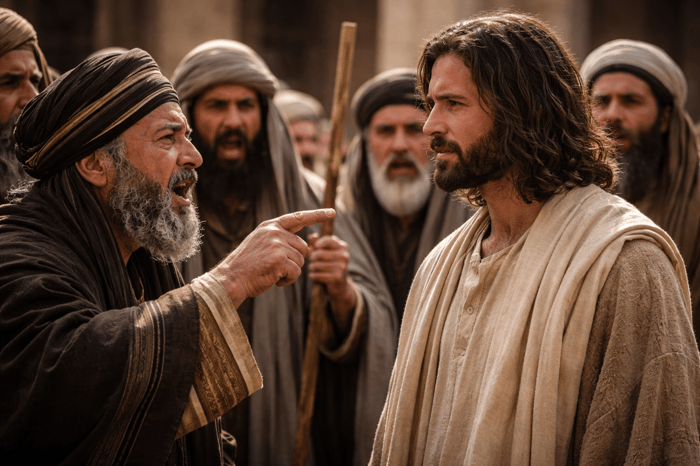
The Bible presents blasphemy against the Holy Spirit as a unique warning spoken by Jesus during His earthly ministry. It was not directed toward people who struggled with doubt or who later repented. Instead, it was spoken to religious leaders who knowingly rejected the clear work of the Holy Spirit and deliberately attributed God's work to Satan.
Understanding Blasphemy Against the Spirit requires reading Jesus' words in their biblical context. The goal is not to create fear but to understand what Jesus meant and why He gave this serious warning.
The articles below begin with the foundational teaching before answering some of the most common questions Christians ask today.
Understand What Jesus Meant
These articles explain the biblical meaning of blasphemy against the Holy Spirit and examine the key passage where Jesus gave His warning.
- What Is Blasphemy of the Holy Spirit? (Bible Meaning Explained)
- What Did Jesus Mean by Eternal Sin? (Mark 3:29 Explained)
These studies answer questions such as:
- What is the unforgivable sin?
- Why did Jesus call it an "eternal sin"?
- Who was Jesus speaking to?
- Why is the context so important?
Answer Common Questions
Once you understand the biblical foundation, these articles explore questions that often arise when people study the unforgivable sin.
- Can You Commit the Unforgivable Sin Today? (Bible Answer Explained)
- Blasphemy of the Holy Spirit vs Rejecting Christ (What’s the Difference?)
- Is the Unforgivable Sin the Same as Apostasy? (Bible Meaning Explained)
Together, these resources explain how Scripture distinguishes blasphemy against the Holy Spirit from other serious sins and why careful interpretation matters.
Find Biblical Assurance
Many people searching for information about the unforgivable sin are not hard-hearted opponents of Christ. They are sincere people who fear they may have done something that places them beyond God's forgiveness.
These articles provide biblical encouragement by addressing those fears directly.
- Why Blasphemy of the Holy Spirit Causes Fear (Bible Explanation)
- How to Know You Haven't Committed the Unforgivable Sin (Biblical Assurance)
Rather than encouraging fear, these studies point readers back to God's character, the context of Jesus' words, and the hope offered through the gospel.
Study This Difficult Teaching with Confidence
Few biblical subjects create as much confusion as blasphemy against the Holy Spirit. Some people avoid the subject because it seems frightening, while others misunderstand Jesus' warning by taking it out of its historical and biblical setting.
This collection is designed to help you study Blasphemy Against the Spirit carefully and faithfully. Each article builds upon Scripture, answers common questions, and explains difficult passages without speculation. Instead of focusing on myths or traditions, the goal is to understand exactly what Jesus said and why He said it.
As you read these studies, remember that the same Bible that records Jesus' warning also proclaims God's mercy to everyone who repents and believes in His Son. The message of Scripture consistently points people to Jesus Christ, who died for sinners and offers forgiveness to all who come to Him in faith.
If this subject has caused you anxiety, these resources are intended to replace uncertainty with biblical understanding. By studying the passages in context, comparing related teachings, and considering the whole counsel of God's Word, you can approach this difficult topic with greater confidence and a clearer understanding of what the Bible truly teaches.
FAQs
What is Blasphemy Against the Spirit?
Blasphemy Against the Spirit refers to a deliberate and persistent rejection of the Holy Spirit’s testimony about Jesus Christ. In the Gospels, Jesus warned that this sin would not be forgiven because it involves knowingly attributing God’s work to evil.
Matthew 12:31–32 (WEB)
“Therefore I tell you, every sin and blasphemy will be forgiven people, but the blasphemy against the Spirit will not be forgiven. Whoever speaks a word against the Son of Man, it will be forgiven him; but whoever speaks against the Holy Spirit, it will not be forgiven him, neither in this age nor in that which is to come.”
This warning was given after religious leaders saw Jesus perform miracles but claimed His power came from Satan.
Why is Blasphemy Against the Spirit called the unforgivable sin?
Blasphemy Against the Spirit is described as unforgivable because it involves rejecting the very work of the Spirit that leads people to repentance and faith.
John 16:8 (WEB)
“When he has come, he will convict the world about sin, about righteousness, and about judgment.”
If a person continually rejects the Spirit’s conviction and testimony about Christ, they refuse the only path that leads to forgiveness.
Can someone commit Blasphemy Against the Spirit today?
Many Christians believe that the warning still applies in principle today. The sin involves a hardened heart that continually rejects the truth about Jesus and refuses to acknowledge the work of the Holy Spirit.
The Bible repeatedly warns people not to resist God’s voice.
Hebrews 3:15 (WEB)
“Today if you will hear his voice, don’t harden your hearts.”
Persistent rejection of God’s truth can lead to a heart that no longer desires repentance.
Have I committed Blasphemy Against the Spirit?
People who worry about committing this sin usually have not committed it. The concern itself often shows a heart that still desires God and is sensitive to His truth.
Scripture promises forgiveness to those who confess their sins and turn to God.
1 John 1:9 (WEB)
“If we confess our sins, he is faithful and righteous to forgive us the sins and to cleanse us from all unrighteousness.”
Blasphemy Against the Spirit involves a hardened refusal to seek forgiveness, not a struggling believer who desires to repent.
What role does the Holy Spirit play in leading people to salvation?
The Holy Spirit reveals the truth about Jesus, convicts people of sin, and draws them toward faith in Christ.
John 15:26 (WEB)
“When the Counselor has come, whom I will send to you from the Father, the Spirit of truth who proceeds from the Father, he will testify about me.”
The Spirit’s work helps people understand the gospel and respond to God’s offer of salvation.
Why did Jesus warn people about Blasphemy Against the Spirit?
Jesus warned about this sin to reveal the danger of rejecting God’s truth when it is clearly revealed. The religious leaders who accused Him had witnessed undeniable evidence of God’s power but still refused to believe.
This warning calls people to respond to God with humility and faith rather than hardened unbelief.
Can someone still receive forgiveness if they turn to Christ?
Yes. The Bible repeatedly teaches that anyone who turns to God in faith can receive forgiveness through Jesus Christ.
Romans 10:13 (WEB)
“For whoever will call on the name of the Lord will be saved.”
God’s invitation to salvation remains open to those who repent and trust in Christ.