
Table of Contents
- What Is Blasphemy of the Holy Spirit? (Clear Definition)
- The Context: Matthew 12:31 Explained
- What Makes This Sin Different?
- What Is the Role of the Holy Spirit?
- What Blasphemy of the Holy Spirit Is NOT
- What Blasphemy of the Holy Spirit IS
- Why This Sin Cannot Be Forgiven
- Real-Life Example (Simple Picture)
- How This Applies to You Today
- Signs of a Healthy Response to the Holy Spirit
- The Gospel Connection: Why This Matters
- Key Takeaways (Quick Summary)
- Final Thought
- FAQs
Many people ask, what is blasphemy of the Holy Spirit, and why does the Bible call it unforgivable. This question can feel heavy, even scary. But Scripture gives a clear answer. When we read the full context, we see both a warning and a message of hope.
This topic sits at the center of how people respond to God. It is not just about words—it is about the heart. Understanding this helps remove fear and brings clarity about the unforgivable sin meaning. Many readers want to know what is blasphemy of the Holy Spirit because Jesus calls it a sin that will not be forgiven.
What Is Blasphemy of the Holy Spirit? (Clear Definition)
Blasphemy of the Holy Spirit is the deliberate and ongoing rejection of the Holy Spirit's witness about Jesus Christ.
It is not a one-time mistake. It is not a careless word. It is a settled choice to reject truth, even when it is clearly seen.
Jesus explained this directly:
“Therefore I tell you, every sin and blasphemy will be forgiven men, but the blasphemy against the Spirit will not be forgiven men.”
— Matthew 12:31 (WEB)
“Whoever speaks a word against the Son of Man, it will be forgiven him; but whoever speaks against the Holy Spirit, it will not be forgiven him, neither in this age, nor in that which is to come.”
— Matthew 12:32 (WEB)
Key Idea
- The Holy Spirit points people to Jesus
- Blasphemy happens when someone knowingly rejects that truth
- This rejection becomes final and unrepentant
The Context: Matthew 12:31 Explained
To understand Matthew 12:31 explained, we must look at what happened before Jesus spoke these words.
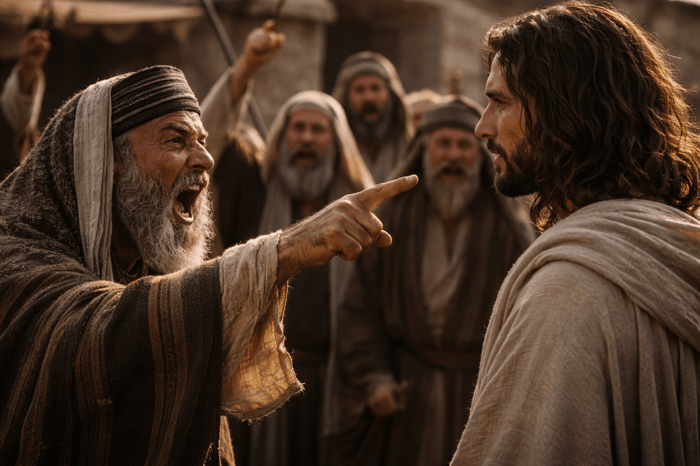
Jesus performed a miracle. The people saw it clearly. But the Pharisees said the power came from Satan instead of God.
“But when the Pharisees heard it, they said, 'This man does not cast out demons except by Beelzebul, the prince of the demons.'”
— Matthew 12:24 (WEB)
They were not confused. They were choosing to reject what they knew was true.
Jesus responded with a warning. They were calling the work of the Holy Spirit evil. That is why the question what is blasphemy of the Holy Spirit must be answered in its full biblical context.
What Makes This Sin Different?
Most sins can be forgiven because people can repent. But this sin blocks repentance itself.
Here is the difference:
| Type of Sin | Can Be Forgiven? | Why |
|---|---|---|
| Ignorant sin | Yes | Person does not fully understand |
| Weakness or failure | Yes | Person can turn back to God |
| Speaking against Jesus (in ignorance) | Yes | Heart can still change |
| Blasphemy of the Spirit | No | Heart refuses truth completely |
This is why it is called the eternal sin meaning:
“But whoever may blaspheme against the Holy Spirit never has forgiveness, but is guilty of an eternal sin.”
— Mark 3:29 (WEB)
What Is the Role of the Holy Spirit?
To understand the seriousness of this sin, we must know what the Holy Spirit does.
The Spirit:
- Reveals truth about Jesus
- Convicts people of sin
- Calls people to repentance
- Leads people to salvation
Jesus said:
“When he has come, he will convict the world about sin, about righteousness, and about judgment.”
— John 16:8 (WEB)
If someone rejects the Spirit's work, they reject the only path to forgiveness.
What Blasphemy of the Holy Spirit Is NOT
Many people fear they have committed this sin when they have not. The Bible helps clear this up. Some people ask what is blasphemy of the Holy Spirit when they feel fear after sinful thoughts or past words.
It is NOT:
- A random bad thought
- A moment of anger at God
- Doubt or struggle in faith
- A sin committed before knowing Christ
- Saying something wrong without understanding
Paul is a strong example:
“Even though I was before a blasphemer, a persecutor, and insolent, however I obtained mercy, because I did it ignorantly in unbelief.”
— 1 Timothy 1:13 (WEB)
Paul spoke against God—but he was forgiven because he did not fully understand.
What Blasphemy of the Holy Spirit IS
The Bible shows this sin clearly through patterns of the heart.
It involves:
- Knowing the truth about Jesus
- Seeing the work of God
- Refusing to accept it
- Calling truth false or evil
- Continuing in that rejection
This is not a single act. It is a fixed condition of the heart.
“Today, if you will hear his voice, don't harden your hearts.”
— Hebrews 3:15 (WEB)
Why This Sin Cannot Be Forgiven
This is one of the hardest parts to understand.
God is willing to forgive all sin. But forgiveness requires repentance. And repentance requires a soft heart.
Blasphemy of the Spirit removes that.
Simple Explanation:
- The Spirit brings truth
- The person rejects that truth
- The heart becomes hardened
- No repentance follows
- Without repentance, no forgiveness
This fits the bigger message of Scripture:
“Whoever believes in him is not condemned, but whoever does not believe has been condemned already, because he has not believed in the name of the one and only Son of God.”
— John 3:18 (WEB)
This connects directly to the gospel message—salvation comes through Jesus Christ, and rejecting Him leaves no other path.
Real-Life Example (Simple Picture)
Think of someone who:
- Hears the gospel many times
- Understands who Jesus is
- Feels conviction from the Spirit
- But keeps rejecting it
- Even mocks or opposes it
Over time, their heart becomes harder. They no longer respond to truth.
This is not about one bad moment. It is about a final and settled rejection.
How This Applies to You Today
This topic often causes fear. But here is a key truth:
If you are worried about committing this sin, you have not committed it.
Why?
Because concern shows:
- A soft heart
- A response to truth
- Openness to God
Those who commit this sin no longer care.
Signs of a Healthy Response to the Holy Spirit
Instead of focusing on fear, focus on what a right response looks like.
A healthy heart:
- Listens to God's Word
- Feels conviction over sin
- Desires forgiveness
- Trusts in Jesus Christ
- Turns back to God
“If we confess our sins, he is faithful and righteous to forgive us the sins, and to cleanse us from all unrighteousness.”
— 1 John 1:9 (WEB)
The Gospel Connection: Why This Matters
The question what is blasphemy of the Holy Spirit is really about how a person responds to Jesus. In the end, what is blasphemy of the Holy Spirit is really a question about rejecting the Spirit's witness to Jesus Christ.
The Bible teaches:
- All people have sinned
- Sin separates us from God
- Jesus came to save
- The Holy Spirit points us to Him
“For God so loved the world, that he gave his one and only Son, that whoever believes in him should not perish, but have eternal life.”
— John 3:16 (WEB)
Rejecting the Spirit means rejecting this gift.
Accepting Christ brings life.
Key Takeaways (Quick Summary)
- Blasphemy of the Holy Spirit is ongoing rejection of the truth about Jesus
- It is not a one-time sin or mistake
- It happens when the heart becomes fully hardened
- It is unforgivable because repentance never happens
- Anyone who still desires God has not committed it
Final Thought
This teaching is not meant to cause fear. It is meant to show how serious it is to reject God's truth.
The same Bible that warns about this sin also gives hope:
- God is patient
- God is merciful
- God calls people to repentance
As long as a person responds to that call, forgiveness is still open.
FAQs
What is blasphemy of the Holy Spirit in simple terms?
Blasphemy of the Holy Spirit is the ongoing rejection of the truth about Jesus Christ, even when it is clearly revealed by the Spirit. It is not a one-time sin but a hardened response to God.
“Therefore I tell you, every sin and blasphemy will be forgiven men, but the blasphemy against the Spirit will not be forgiven men.”
— Matthew 12:31 (WEB)
Why is blasphemy of the Holy Spirit unforgivable?
This sin is unforgivable because it rejects the only way God brings forgiveness. The Holy Spirit leads people to repentance. If someone refuses that, they will never seek forgiveness.
“But whoever may blaspheme against the Holy Spirit never has forgiveness, but is guilty of an eternal sin.”
— Mark 3:29 (WEB)
Can a Christian commit blasphemy of the Holy Spirit?
A true believer cannot commit this sin. Christians have already responded to the Holy Spirit and trusted in Christ. This sin belongs to those who fully and finally reject Him.
“My sheep hear my voice, and I know them, and they follow me. I give eternal life to them. They will never perish, and no one will snatch them out of my hand.”
— John 10:27–28 (WEB)
Is blasphemy of the Holy Spirit a one-time act or a lifelong rejection?
It is a lifelong pattern, not a single moment. It is a continued refusal to accept the truth about Jesus, even when a person understands it.
“Today, if you will hear his voice, don't harden your hearts.”
— Hebrews 3:15 (WEB)
Have I committed blasphemy of the Holy Spirit if I feel afraid?
No. Fear and concern are signs your heart is still responsive to God. Those who commit this sin no longer care or seek forgiveness.
“Yahweh is near to those who have a broken heart, and saves those who have a crushed spirit.”
— Psalm 34:18 (WEB)
What did Jesus mean in Matthew 12:31?
In Matthew 12:31, Jesus warned religious leaders who saw God's power but called it evil. They were not confused—they were rejecting truth on purpose.
“But when the Pharisees heard it, they said, 'This man does not cast out demons except by Beelzebul, the prince of the demons.'”
— Matthew 12:24 (WEB)
How does this relate to salvation?
Understanding what is blasphemy of the Holy Spirit shows how serious it is to reject Jesus Christ. The Holy Spirit points people to Him. Rejecting the Spirit means rejecting the only way to be saved.
God offers salvation through Jesus, but it must be received.
“For God so loved the world, that he gave his one and only Son, that whoever believes in him should not perish, but have eternal life.”
— John 3:16 (WEB)
“Behold, I stand at the door and knock. If anyone hears my voice and opens the door, then I will come in to him, and will dine with him, and he with me.”
— Revelation 3:20 (WEB)
This connects directly to the gospel message—God has made a way through Jesus Christ, but each person must respond. Rejecting that call leads to separation, while receiving Christ brings new life.
What should I do if I am worried about this sin?
Respond to God while your heart is open. Trust in Jesus, confess your sins, and follow Him. The Bible promises forgiveness to those who turn to Him.
“If we confess our sins, he is faithful and righteous to forgive us the sins, and to cleanse us from all unrighteousness.”
— 1 John 1:9 (WEB)
Can someone who rejected God in the past still be forgiven?
Yes. If a person turns back to God, they can be forgiven. The only time forgiveness is not possible is when someone refuses to repent completely and finally.
“Let the wicked forsake his way, and the unrighteous man his thoughts. Let him return to Yahweh, and he will have mercy on him; and to our God, for he will freely pardon.”
— Isaiah 55:7 (WEB)