Table of Contents
- What It Means That The Lord Is My Shepherd
- Provision in Every Season
- Guidance Through Confusion
- Comfort in Dark Valleys
- A Table in the Presence of Enemies
- Goodness and Mercy That Follow
- The Shepherd Theme Across Scripture
- Living Like Sheep Who Trust Their Shepherd
- Why This Psalm Still Speaks Today
- Final Encouragement
- FAQs
The Lord Is My Shepherd is one of the most loved phrases in all of Scripture. These words from Psalm 23 have comforted believers for centuries. When life feels calm or chaotic, strong or uncertain, the truth remains steady: The Lord Is My Shepherd. This short sentence carries deep meaning about who God is and how He cares for His people.
Psalm 23 opens with a bold confession of trust:
Psalm 23:1
The Lord is my shepherd; I shall not want.
David, who wrote this psalm, knew what it meant to be both a shepherd and a sheep. Before he became king, he cared for flocks in the fields. He understood that sheep depend on their shepherd for everything—food, water, safety, and direction. When he declared, “The Lord Is My Shepherd,” he was not using poetry alone. He was making a personal statement of faith.
What It Means That The Lord Is My Shepherd
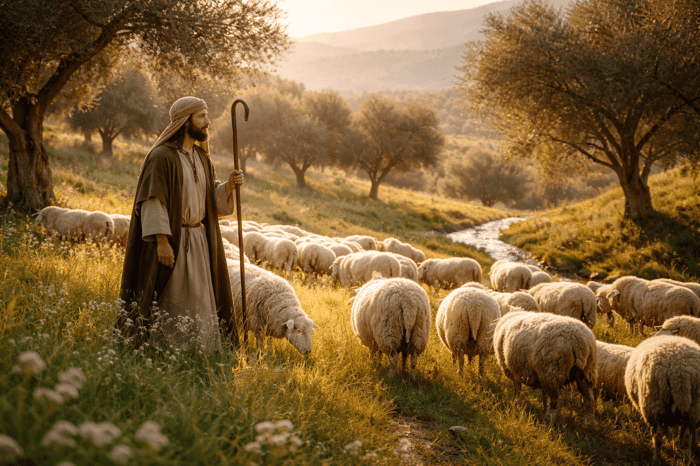
To say The Lord Is My Shepherd is to admit that we are not in control. Sheep cannot guide themselves well. They wander. They panic. They need protection. In the same way, we need God’s leadership.
The image of a shepherd reveals several truths about God’s character:
- He provides.
- He guides.
- He protects.
- He restores.
- He stays near.
David continues:
Psalm 23:2–3
He makes me lie down in green pastures.
He leads me beside still waters.
He restores my soul.
He leads me in paths of righteousness
for his name's sake.
Green pastures and still waters describe rest and refreshment. Sheep will not lie down if they are afraid or hungry. They rest only when they trust their shepherd. The same is true for us. When The Lord Is My Shepherd, we can rest even when circumstances are not perfect.
Provision in Every Season
Many people first turn to Psalm 23 in times of need. They feel loss, fear, or uncertainty. The words bring peace because they remind us that God sees our needs before we do.
The phrase “I shall not want” does not promise wealth or ease. It promises that we will lack nothing essential. God provides what is necessary for our growth and survival.
Jesus echoed this shepherd image in the New Testament:
John 10:11
I am the good shepherd. The good shepherd lays down his life for the sheep.
Here, Jesus calls Himself the Good Shepherd. He does more than guide. He gives His life. The cross shows that The Lord Is My Shepherd in the deepest sense. He does not watch from a distance. He enters danger for His sheep.
Guidance Through Confusion
Life often feels unclear. Decisions pile up. Paths seem uncertain. Yet Psalm 23 says:
Psalm 23:3
He restores my soul.
He leads me in paths of righteousness
for his name's sake.
“He leads me in paths of righteousness.” A shepherd walks ahead of the flock. Sheep follow the voice they trust. When The Lord Is My Shepherd, guidance comes through His Word and Spirit.
Sometimes His leading feels slow. Sometimes it requires patience. Yet God’s direction always aligns with His character. He leads “for His name’s sake.” That means His guidance reflects His faithfulness and goodness.
Here are common ways believers experience His guidance:
- Scripture shaping decisions.
- Wise counsel from mature Christians.
- Conviction from the Holy Spirit.
- Doors opening or closing.
- Growing peace over time.
Guidance rarely comes through loud signs. It often comes through steady trust.
Comfort in Dark Valleys
One of the most honest lines in Psalm 23 appears next:
Psalm 23:4
Even though I walk through the valley of the shadow of death,
I will fear no evil,
for you are with me;
your rod and your staff,
they comfort me.
The valley of the shadow of death speaks of danger and fear. It does not say “if” we walk through valleys. It says “though.” Hard seasons will come. Illness, grief, betrayal, and anxiety are part of a fallen world.
Yet the verse shifts from “He” to “You.” David speaks directly to God: “You are with me.” When The Lord Is My Shepherd, we are never alone in the valley.
Notice two comforts mentioned:
- His rod.
- His staff.
The rod defended against predators. The staff guided and corrected. Protection and discipline both show care. God’s presence is not passive. It is active.
A Table in the Presence of Enemies
Psalm 23 moves from fields to a feast:
Psalm 23:5
You prepare a table before me
in the presence of my enemies;
you anoint my head with oil;
my cup overflows.
This image is powerful. Enemies remain nearby. Trouble is not erased. Yet God prepares a table. He anoints with oil. The cup overflows.
The Lord Is My Shepherd does not mean life becomes conflict-free. It means that even in conflict, God honors and sustains His people.
This verse teaches:
- God provides dignity in hardship.
- God blesses openly.
- God’s favor is not hidden.
- Joy can exist beside struggle.
The Christian life is not denial of pain. It is confidence in God’s presence within it.
Goodness and Mercy That Follow
The psalm closes with hope:
Psalm 23:6
Surely goodness and mercy shall follow me
all the days of my life,
and I shall dwell[c] in the house of the Lord
forever.
Goodness and mercy “follow” all the days of life. The word suggests pursuit. God’s kindness is not distant. It actively moves toward His people.
To say The Lord Is My Shepherd is to believe that His mercy chases us. Even when we fail. Even when we doubt. Even when we wander.
The final promise points beyond this life: dwelling in the house of the Lord forever. Shepherd care does not stop at death. Eternal security rests in God’s covenant love.
The Shepherd Theme Across Scripture
Psalm 23 is not isolated. The shepherd image runs through the Bible.
God described Himself this way through the prophet Ezekiel:
Ezekiel 34:11–12
“For thus says the Lord God: Behold, I, I myself will search for my sheep and will seek them out. As a shepherd seeks out his flock when he is among his sheep that have been scattered, so will I seek out my sheep, and I will rescue them from all places where they have been scattered on a day of clouds and thick darkness.
This passage promises that God will search for His sheep and rescue them. It reflects His heart toward the lost and scattered.
The New Testament continues the theme:
Hebrews 13:20
Now may the God of peace who brought again from the dead our Lord Jesus, the great shepherd of the sheep, by the blood of the eternal covenant,
Jesus is called the “great Shepherd of the sheep.” His resurrection confirms His authority and power to guard His flock.
Across Scripture, the message remains steady: The Lord Is My Shepherd from Genesis to Revelation. He gathers, leads, corrects, and redeems.
Living Like Sheep Who Trust Their Shepherd
It is one thing to admire Psalm 23. It is another to live it.
Here are practical ways to walk in this truth:
1. Surrender Control
Trust grows when we admit our limits. Prayer becomes honest. We say, “Lead me.”
2. Stay Near the Shepherd’s Voice
Daily time in Scripture trains us to recognize His guidance.
3. Rest Without Guilt
Green pastures remind us that rest is part of faith.
4. Walk Through Valleys With Hope
Valleys are temporary. The Shepherd walks with us.
5. Expect Mercy
God’s goodness is not earned. It is given.
Living as sheep does not mean weakness. It means dependence. And dependence builds strength rooted in God.
Why This Psalm Still Speaks Today
Modern life moves fast. Anxiety rises. News cycles overwhelm. Yet the words The Lord Is My Shepherd still anchor believers.
A young parent facing financial stress can whisper this truth at night. A hospital patient can repeat it quietly before surgery. A grieving spouse can cling to it during loss. Across ages and cultures, the confession remains the same.
It is not sentimental comfort. It is theological reality.
God is not merely a concept. He is a Shepherd who:
- Knows each sheep.
- Calls them by name.
- Defends them.
- Carries the weak.
- Leads them home.
When Jesus said:
John 10:27–28
My sheep hear my voice, and I know them, and they follow me. I give them eternal life, and they will never perish, and no one will snatch them out of my hand.
He promised security that cannot be broken. Eternal life rests in His grip.
Final Encouragement
To say The Lord Is My Shepherd is to speak identity and trust at the same time. It declares who God is and who we are in relation to Him.
We are not abandoned. We are not forgotten. We are not without direction.
Through joy and sorrow, success and struggle, clarity and confusion, the Shepherd remains faithful.
The invitation is simple: follow Him. Listen for His voice. Rest in His care.
The Lord Is My Shepherd today. The Lord Is My Shepherd tomorrow. And the Lord Is My Shepherd forever.
FAQs
What does “The Lord Is My Shepherd” mean in Psalm 23?
The phrase “The Lord Is My Shepherd” expresses personal trust in God’s care, leadership, and protection. David describes God as a shepherd because shepherds guide, feed, defend, and stay close to their sheep. It is a picture of both authority and tenderness. The statement is not distant or general. It is deeply personal. David does not say “the Lord is a shepherd,” but “my Shepherd.” That single word shows relationship and confidence.
When believers speak these words today, they are declaring dependence. Sheep cannot survive long without guidance. In the same way, God’s people need His direction, provision, and protection. This verse anchors the entire psalm in trust before any circumstances are described.
Psalm 23:1
“The Lord is my shepherd; I shall not want.”
How does Jesus fulfill the role of the Shepherd?
In the New Testament, Jesus identifies Himself as the Good Shepherd. He not only leads His people but lays down His life for them. This connects Psalm 23 to the saving work of Christ. The shepherd image moves from poetry to fulfillment in the person of Jesus.
Unlike a hired worker who runs when danger comes, Jesus stays. He protects at great cost. His death on the cross shows that His care is not symbolic. It is sacrificial. He knows His sheep personally, and they know His voice. This relationship is built on love and covenant faithfulness.
When believers say The Lord Is My Shepherd, they are trusting the risen Christ who gave His life and took it up again. His leadership is not distant authority. It is personal, costly care.
John 10:11
“I am the good shepherd. The good shepherd lays down his life for the sheep.”
What does the “valley of the shadow of death” represent?
The valley represents seasons of fear, suffering, or deep uncertainty. It reminds believers that hardship is real, but God’s presence remains steady even in the darkest times. David does not deny danger. He names it. Yet he also declares confidence in God’s nearness.
The phrase “shadow of death” suggests deep darkness, not just minor trouble. Valleys were narrow places where predators could hide and threats could appear without warning. Spiritually, this can describe grief, illness, loss, anxiety, or any moment when life feels fragile. The comfort is not that the valley disappears, but that God walks with His people through it.
When we say The Lord Is My Shepherd in dark seasons, we are trusting that fear does not have the final word. His presence is stronger than the shadow.
Psalm 23:4
“Even though I walk through the valley of the shadow of death, I will fear no evil, for you are with me; your rod and your staff, they comfort me.”
What do the rod and staff symbolize?
The rod and the staff are tools of a shepherd, and each carries meaning. The rod was a strong club used to defend sheep from predators. The staff was longer, often with a curved end, used to guide sheep, pull them from danger, and keep them on the right path. Together, they represent protection and guidance.
When David says these tools bring comfort, he shows that God’s care is both strong and personal. Protection is not harsh control. Guidance is not cold correction. Both flow from love. God guards His people from harm, and He also redirects them when they wander.
Discipline can feel uncomfortable at times, yet it proves belonging. A shepherd corrects only his own sheep. In the same way, God’s guidance and correction show relationship, not rejection. The Lord Is My Shepherd means that His strength stands between us and danger, and His wisdom steers us toward life.
Psalm 23:4
“Even though I walk through the valley of the shadow of death, I will fear no evil, for you are with me; your rod and your staff, they comfort me.”
What does it mean that goodness and mercy follow us?
This promise reveals that God’s covenant love pursues His people. His goodness is not random or occasional. It is steady and faithful throughout life. The image in Psalm 23 is strong. Goodness and mercy do not trail behind at a distance. They follow closely, like faithful companions.
The word “follow” can also mean pursue. It paints a picture of God’s kindness chasing after His people. Even in seasons of failure or doubt, His mercy does not give up. This is not based on human effort. It rests on God’s character.
When we say The Lord Is My Shepherd, we trust that His care is not temporary. It lasts “all the days of my life.” The promise also reaches beyond this life into eternity. Dwelling in the house of the Lord speaks of secure belonging, not fear of rejection. The Shepherd who leads through green pastures and dark valleys also brings His sheep home.
Psalm 23:6
“Surely goodness and mercy shall follow me all the days of my life, and I shall dwell in the house of the Lord forever.”
How can believers live like sheep who trust their Shepherd?
Living under the Shepherd’s care means listening to His voice, following His Word, and resting in His provision. Trust is not passive. It shows up in daily choices. Sheep that trust their shepherd stay close. They respond to his call. They move when he leads.
For believers, this means growing familiar with Christ through Scripture and prayer. It means obedience even when the path is not fully clear. Trust also brings rest. If The Lord Is My Shepherd, then fear does not control our steps. His authority becomes our security.
Jesus describes this relationship as one of recognition and safety. His sheep know Him. They respond to Him. And they are held by Him. This is not fragile hope. It is anchored in His promise.
John 10:27–28
“My sheep hear my voice, and I know them, and they follow me. I give them eternal life, and they will never perish, and no one will snatch them out of my hand.”