
Table of Contents
Studying the Bible helps us know God better, grow in faith, and live a life that honors Him. The Bible isn’t just a book to read—it’s a guide for life. But with 66 books, many authors, and different styles, it can feel overwhelming. Here’s a simple, step-by-step guide to studying the Bible that anyone can follow.
1. Pray Before You Start
Before opening your Bible, take a moment to pray. Ask God to open your heart and give you understanding. The Holy Spirit helps us understand Scripture.
“Open my eyes, that I may see wondrous things from Your law.”
— Psalm 119:18 (NKJV)
- It invites God into your time.
- It prepares your heart.
- It sets your focus on Him.
2. Pick a Time and Place
Consistency is key. Find a quiet place and a regular time each day to read and reflect. It could be morning before the day begins or evening before bed.
| Option | Pros | Cons |
|---|---|---|
| Morning | Fresh mind, sets tone for the day | May feel rushed or sleepy |
| Evening | Good reflection time | May be too tired to focus |
| Lunch break | Helps break up the day spiritually | Can be limited by time or space |
3. Choose a Bible Translation You Understand
Some translations use old or formal language. Others are easier to read. Choose one that helps you understand the message clearly.
| Translation | Style | Good For |
|---|---|---|
| NIV | Thought-for-thought | General reading and study |
| ESV | Word-for-word | Deeper study, accuracy |
| NLT | Easy to read | Beginners and kids |
| KJV | Formal, poetic | Traditional study |
4. Start Small and Simple
Don’t try to read the entire Bible in one go. Begin with easier books like the Gospels—Matthew, Mark, Luke, and John. These tell the story of Jesus.
Good Books to Start With:
- John – To understand who Jesus is.
- Psalms – For comfort and prayer.
- James – Practical advice for daily living.
5. Use the SOAP Method
A simple way to study Scripture is the SOAP method:
| Letter | Meaning | What to Do |
|---|---|---|
| S | Scripture | Write down a verse that stands out |
| O | Observation | What does it say? Who is speaking? |
| A | Application | How can I live this today? |
| P | Prayer | Talk to God about what you learned |
Example:
- S: “The Lord is my shepherd; I shall not want.” – Psalm 23:1
- O: David is saying God takes care of him like a shepherd.
- A: I can trust God to take care of me today.
- P: “Lord, help me trust You more with my needs.”
6. Ask Questions
Ask questions as you read:
- What does this teach me about God?
- What does this show about people?
- Is there a command to follow?
- Is there a sin to avoid?
- Is there a promise to remember?
7. Write Down What You Learn
Keep a journal of your Bible study. Writing helps you remember and reflect. You can jot down verses, thoughts, prayers, and questions.
8. Use Bible Study Tools
Sometimes you’ll need help understanding what you read. Here are some helpful tools:
| Tool | Use |
|---|---|
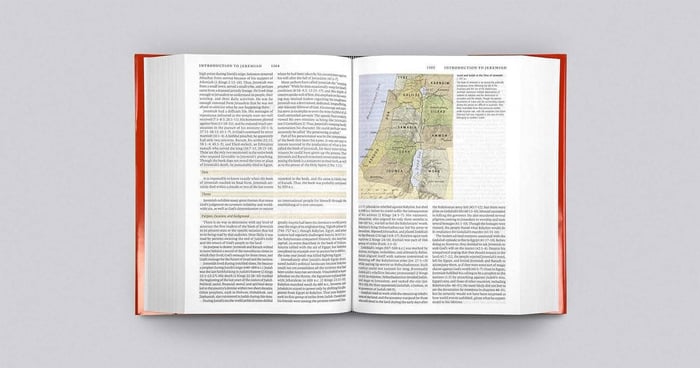
| Study Bible | Adds notes to explain verses |
| Bible Concordance | Helps find verses by topic or word |
| Bible App (YouVersion) | Offers reading plans and verse comparisons |
| Commentary | Explains hard passages in more detail |
9. Join a Bible Study Group
Studying the Bible with others helps you learn from different perspectives. It also keeps you encouraged and accountable.
“As iron sharpens iron, so one person sharpens another.”
— Proverbs 27:17 (NIV)
10. Apply What You Learn
Bible study isn’t just about knowing Scripture. It’s about doing it.
“But be doers of the word, and not hearers only, deceiving yourselves.”
— James 1:22 (ESV)
Take one small step each day to live out what you’ve learned—whether it’s being kind, forgiving someone, or trusting God more.
Summary: Simple Steps to Study the Bible
| Step | Action |
|---|---|
| 1 | Pray for guidance |
| 2 | Set a regular time and place |
| 3 | Pick an easy-to-read version |
| 4 | Start with one book |
| 5 | Use a method (like SOAP) |
| 6 | Ask questions |
| 7 | Keep notes |
| 8 | Use helpful tools |
| 9 | Study with others |
| 10 | Apply what you learn |