Table of Contents
- What Is Confession in the Bible?
- What Is Repentance?
- Why Confession and Repentance Matter
- John the Baptist Preached Repentance
- Confess Your Sins Bible Verses That Bring Hope
- The Prodigal Son Is a Picture of Repentance
- Repentance Produces Change
- What Happens When You Turn Back to God?
- Signs of Genuine Repentance
- Can God Forgive Serious Sin?
- Repentance Is Ongoing for Christians
- Common Misunderstandings About Repentance
- Jesus Came to Save Sinners
- How to Respond to God Today
- The Hope Found in Confession and Repentance
- FAQs
Understanding confession and repentance in the Bible is important for anyone who wants a real relationship with God. Many people feel guilt over sin but are unsure what to do next. Others wonder if God can truly forgive them after failure, rebellion, or years away from Him.
The Bible teaches that confession and repentance in the Bible are not empty religious actions. They are heart responses that lead people back to God. Through confession, people honestly admit their sin before Him. Through repentance, they turn away from sin and begin walking toward God again.
This matters because sin separates humanity from God. But God made a way for forgiveness and restoration through Jesus Christ.
Confession and repentance in the Bible reveal both God's holiness and His mercy. They show that no sinner is beyond the reach of God's grace when they truly turn to Him.
What Is Confession in the Bible?
Biblical confession means agreeing with God about sin. It involves honesty, humility, and a willingness to stop hiding wrongdoing.
Confession is not simply feeling bad. It is openly admitting sin before God.
1 John 1:9
“If we confess our sins, he is faithful and righteous to forgive us the sins, and to cleanse us from all unrighteousness.”
This verse gives believers great hope. God promises forgiveness to those who confess honestly.
King David gave a powerful example after his sin with Bathsheba.
Psalm 32:5 (ESV)
“I acknowledged my sin to you,
and I did not cover my iniquity;
I said, “I will confess my transgressions to the Lord,”
and you forgave the iniquity of my sin.”
David stopped hiding his sin and came honestly before God.
What Is Repentance?
Repentance means turning away from sin and turning back to God. It is a change of direction in both heart and actions.
Many people confuse repentance with regret. Regret feels sorrow over consequences. Repentance leads to change.
Acts 3:19
“Repent therefore, and turn again, that your sins may be blotted out, so that there may come times of refreshing from the presence of the Lord.”
Biblical repentance explained simply means changing direction spiritually.
Why Confession and Repentance Matter
Sin damages relationships with God and others. It creates guilt, shame, and spiritual separation.
Confession and repentance in the Bible matter because they restore fellowship with God and lead people toward healing and transformation.
Isaiah 59:2
“But your iniquities have separated between you and your God, and your sins have hidden his face from you, so that he will not hear.”
The Bible does not minimize sin. Yet it also reveals God's desire to forgive repentant sinners.
John the Baptist Preached Repentance
Before Jesus began His ministry, John the Baptist called people to repentance.
Matthew 3:1-2
“In those days, John the Baptizer came, preaching in the wilderness of Judea, saying, ‘Repent, for the Kingdom of Heaven is at hand!’”
Repentance prepared hearts to receive Christ.
Jesus also preached repentance throughout His ministry.
Mark 1:14-15
“Now after John was taken into custody, Jesus came into Galilee, preaching the Good News of God’s Kingdom, and saying, ‘The time is fulfilled, and God’s Kingdom is at hand! Repent, and believe in the Good News.’”
Repentance and salvation are closely connected throughout Scripture, especially in confession and repentance in the Bible.
Confess Your Sins Bible Verses That Bring Hope
The Bible repeatedly encourages believers to confess sin honestly instead of hiding it.
| Bible Verse | Main Truth |
|---|---|
| 1 John 1:9 | God forgives confessed sin |
| Psalm 32:5 | Confession brings forgiveness |
| Acts 3:19 | Repentance brings renewal |
| Proverbs 28:13 | Mercy comes through confession |
| James 5:16 | Confession brings healing |
Proverbs 28:13
“He who conceals his sins doesn’t prosper, but whoever confesses and renounces them finds mercy.”
Hiding sin keeps people trapped spiritually. Confession opens the door to mercy.
James 5:16
“Confess your sins to one another, and pray for one another, that you may be healed. The insistent prayer of a righteous person is powerfully effective.”
Confession also helps restore relationships and accountability among believers.
The Prodigal Son Is a Picture of Repentance
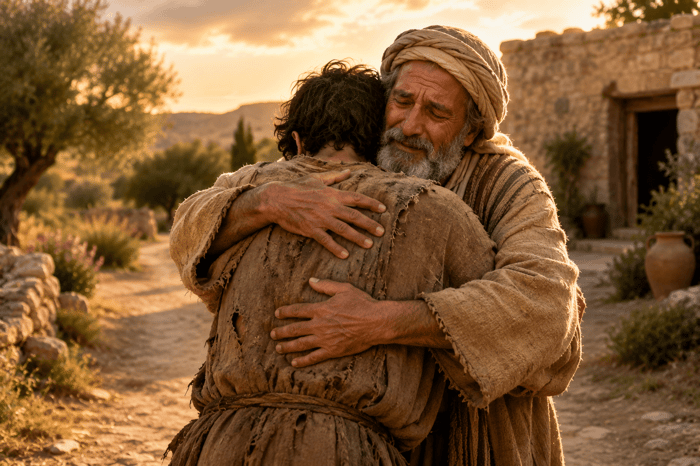
One of Jesus' clearest examples of turning back to God is the parable of the prodigal son.
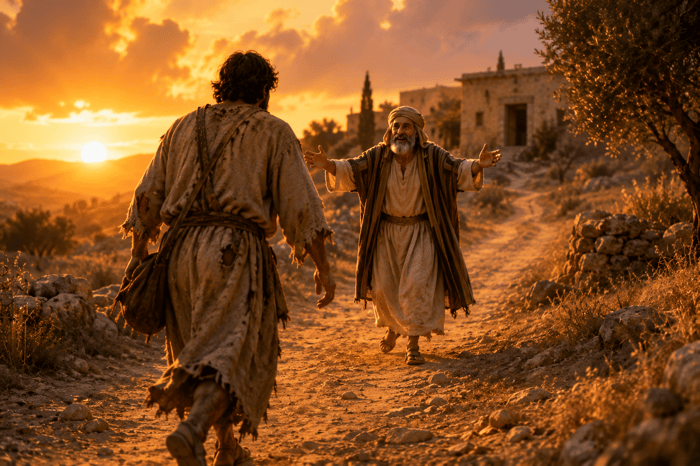
After wasting his inheritance in sinful living, the son realized his condition and returned home humbled.
Luke 15:18-20
“I will get up and go to my father, and will tell him, ‘Father, I have sinned against heaven, and in your sight. I am no more worthy to be called your son.’ He arose, and came to his father. But while he was still far off, his father saw him, and was moved with compassion, and ran, and fell on his neck, and kissed him.”
This story beautifully shows forgiveness after repentance.
God welcomes repentant sinners with mercy.
Repentance Produces Change
True repentance changes behavior over time. It does not mean perfection, but it does mean a new direction.
2 Corinthians 7:10
“For godly sorrow produces repentance leading to salvation, which brings no regret. But the sorrow of the world produces death.”
Godly sorrow leads people toward change and restoration.
The Bible teaches that believers continue growing spiritually after salvation.
What Happens When You Turn Back to God?
The Bible describes several things that happen when people genuinely repent and trust God.
Forgiveness
God forgives confessed sin.
Cleansing
Sin no longer defines the believer's standing before God.
Restoration
Relationships with God begin healing.
Renewal
God starts changing the believer from the inside out.
Peace
Guilt begins to lose its control over the heart.
2 Corinthians 5:17
“Therefore if anyone is in Christ, he is a new creation. The old things have passed away. Behold, all things have become new.”
Turning back to God brings spiritual transformation.
Signs of Genuine Repentance
Not every apology is true repentance. The Bible shows that genuine repentance produces visible fruit.
Common signs include:
- Honest confession without excuses
- Desire to change sinful behavior
- Willingness to make things right
- Humility before God
- Greater hatred of sin
- Desire to obey Scripture
Matthew 3:8
“Therefore produce fruit worthy of repentance!”
Repentance changes how people live.
Can God Forgive Serious Sin?
Many people believe their past is too sinful for forgiveness. Yet Scripture repeatedly shows God forgiving broken sinners who repent.
David committed adultery and murder. Peter denied Jesus. Paul persecuted Christians. God still forgave and used them after repentance.
Isaiah 1:18
“Though your sins are like scarlet, they shall be as white as snow. Though they are red like crimson, they shall be as wool.”
God's grace is greater than human failure.
Repentance Is Ongoing for Christians
Repentance is not only for the moment of salvation. Christians continue confessing sin and turning back to God throughout life.
Spiritual growth involves ongoing transformation through God's Word and the Holy Spirit.
Romans 12:2
“Don’t be conformed to this world, but be transformed by the renewing of your mind, so that you may prove what is the good, well-pleasing, and perfect will of God.”
Believers continue learning to think and live differently.
Common Misunderstandings About Repentance
| Misunderstanding | Biblical Truth |
|---|---|
| Repentance means earning salvation | Salvation is by God's grace |
| Repentance means becoming perfect instantly | Growth takes time |
| Confession alone is enough | True repentance includes turning from sin |
| God refuses repentant sinners | God welcomes those who come honestly |
These truths help people understand biblical repentance explained clearly and biblically.
Jesus Came to Save Sinners
The Gospel is at the center of confession and repentance in the Bible because confession and repentance in the Bible point sinners toward Christ and forgiveness.
Jesus came to rescue sinners who could not save themselves.
Luke 5:31-32
“Jesus answered them, ‘Those who are healthy have no need for a physician, but those who are sick do. I have not come to call the righteous, but sinners to repentance.’”
Romans 5:8
“But God commends his own love toward us, in that while we were yet sinners, Christ died for us.”
God does not forgive because people deserve it. He forgives because of Christ's sacrifice on the cross.
How to Respond to God Today
If someone feels convicted about sin, the Bible calls them to respond honestly before God.
Practical steps include:
- Admit sin honestly to God
- Stop excusing sinful behavior
- Trust in Jesus Christ for forgiveness
- Turn away from sinful patterns
- Spend time in God's Word
- Pray consistently
- Seek accountability and spiritual growth
God promises mercy to those who come sincerely.
Joel 2:13 (ESV)
“and rend your hearts and not your garments.”
Return to the Lord your God,
for he is gracious and merciful,
slow to anger, and abounding in steadfast love;
and he relents over disaster.”
The Hope Found in Confession and Repentance
Confession and repentance in the Bible are not meant to destroy hope. They point people toward forgiveness, restoration, and new life in Christ.
God does not reject repentant sinners who come honestly before Him. Through Jesus Christ, people can receive forgiveness, peace, and a transformed life.
Turning back to God may begin with sorrow over sin, but it leads to mercy, grace, and spiritual renewal.
FAQs
What is confession and repentance in the Bible?
Confession and repentance in the Bible refer to honestly admitting sin before God and turning away from sinful behavior to follow Him. Confession involves agreeing with God about sin, while repentance means changing direction spiritually.
Together, they show a heart that desires forgiveness and restoration.
“If we confess our sins, he is faithful and righteous to forgive us the sins, and to cleanse us from all unrighteousness.”
— 1 John 1:9
“Repent therefore, and turn again, that your sins may be blotted out, so that there may come times of refreshing from the presence of the Lord.”
— Acts 3:19
What is the difference between regret and repentance?
Regret is feeling sorry about consequences, while repentance leads to real change. A person may regret getting caught in sin without truly turning back to God.
Biblical repentance explained simply means changing direction in heart and actions.
“For godly sorrow produces repentance leading to salvation, which brings no regret. But the sorrow of the world produces death.”
— 2 Corinthians 7:10
“Therefore produce fruit worthy of repentance!”
— Matthew 3:8
Why are confession and repentance important?
Confession and repentance matter because sin separates people from God.
God desires people to turn back to Him so they can receive forgiveness, restoration, and spiritual renewal.
“But your iniquities have separated between you and your God, and your sins have hidden his face from you, so that he will not hear.”
— Isaiah 59:2
“He who conceals his sins doesn’t prosper, but whoever confesses and renounces them finds mercy.”
— Proverbs 28:13
Can God forgive serious sins after repentance?
Yes. The Bible repeatedly shows God forgiving people who genuinely repent. David committed adultery and murder. Peter denied Jesus. Paul persecuted Christians. God still forgave and restored them.
Forgiveness after repentance is possible because of God's grace.
“Though your sins are like scarlet, they shall be as white as snow. Though they are red like crimson, they shall be as wool.”
— Isaiah 1:18
“I acknowledged my sin to you. I didn’t hide my iniquity. I said, ‘I will confess my transgressions to Yahweh,’ and you forgave the iniquity of my sin.”
— Psalm 32:5
What happens when someone turns back to God?
The Bible teaches that people who genuinely turn back to God experience forgiveness, renewal, peace, and spiritual transformation.
God welcomes repentant sinners with mercy.
“Therefore if anyone is in Christ, he is a new creation. The old things have passed away. Behold, all things have become new.”
— 2 Corinthians 5:17
“Tear your heart, and not your garments, and turn to Yahweh your God; for he is gracious and merciful, slow to anger, and abundant in loving kindness.”
— Joel 2:13
Is repentance only for unbelievers?
No. Repentance is important both at salvation and throughout the Christian life. Believers continue confessing sin and growing spiritually over time.
The Christian life includes ongoing transformation through God's Word and the Holy Spirit.
“Don’t be conformed to this world, but be transformed by the renewing of your mind, so that you may prove what is the good, well-pleasing, and perfect will of God.”
— Romans 12:2
“Create in me a clean heart, O God. Renew a right spirit within me.”
— Psalm 51:10
How does confession and repentance in the Bible connect to salvation?
Confession and repentance in the Bible point directly to the Gospel because they reveal humanity's need for forgiveness and restoration with God. Sin separates people from Him, and no one can remove that guilt through personal effort alone.
God provided salvation through Jesus Christ, who died and rose again so sinners could be forgiven and restored.
Repentance and salvation are connected because true faith in Christ includes turning away from sin and trusting Him completely.
“Now after John was taken into custody, Jesus came into Galilee, preaching the Good News of God’s Kingdom, and saying, ‘The time is fulfilled, and God’s Kingdom is at hand! Repent, and believe in the Good News.’”
— Mark 1:14-15
“But God commends his own love toward us, in that while we were yet sinners, Christ died for us.”
— Romans 5:8
“Jesus answered them, ‘Those who are healthy have no need for a physician, but those who are sick do. I have not come to call the righteous, but sinners to repentance.’”
— Luke 5:31-32