Table of Contents
The tomb of Jesus is one of the most talked-about places in history. For many, it is the center of their faith. The empty tomb is a key part of the story of Jesus’ death and resurrection. But what do we really know about it? Let's look at the facts, the Bible verses, and what it means for us today.
Where Was Jesus Buried?
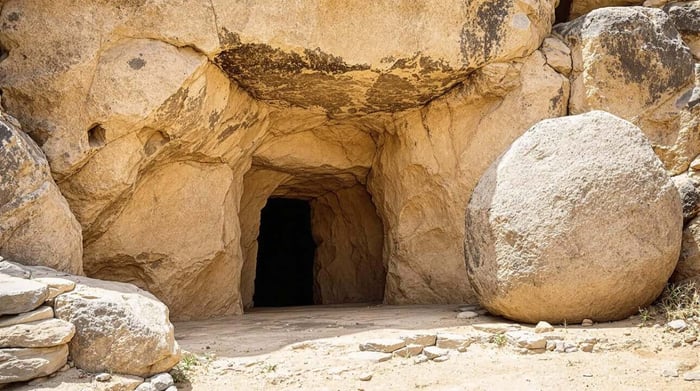
Jesus was buried in a tomb owned by a man named Joseph of Arimathea. He was a wealthy man and a secret follower of Jesus. After Jesus died on the cross, Joseph asked Pilate for His body. He wrapped it in linen and placed it in his own new tomb that had been cut out of rock.
“He rolled a big stone in front of the entrance to the tomb and went away.”
— Matthew 27:60 (NIV)
The tomb was located in a garden near the place of crucifixion, just outside Jerusalem. It was most likely a small cave-like room carved into limestone, with a large stone rolled in front to seal it.
What Happened After the Burial?
After Jesus was buried, the chief priests and Pharisees were afraid the disciples might steal His body and claim He had risen. So they asked Pilate to post guards at the tomb and seal it.
“Take a guard,” Pilate answered. “Go, make the tomb as secure as you know how.”
— Matthew 27:65 (NIV)
But early on Sunday morning, something amazing happened. The stone was rolled away, and Jesus was gone. An angel told the women who came to the tomb:
“He is not here; He has risen, just as He said.”
— Matthew 28:6 (NIV)
This moment changed everything. The empty tomb is the reason we celebrate Easter and why Christians believe Jesus is alive.
Evidence for the Empty Tomb
Many people wonder if the story is true. The Bible gives us several clues:
- Women were the first to see the empty tomb – In those days, women’s words weren’t trusted in court. If this story was made up, they would have picked men as witnesses.
- The stone was rolled away – It was too heavy for the women to move, yet it was rolled back.
- The guards were shocked and ran away – They told the leaders what happened, but were paid to lie.
- Jesus appeared to many people after His death – Over 500 people saw Him alive (1 Corinthians 15:6).
| Evidence | What it Shows |
|---|---|
| Women as first witnesses | The story likely wasn’t made up |
| Guards at the tomb | The tomb was well protected |
| Empty tomb on the third day | Matches Jesus’ own prophecy |
| Post-resurrection appearances | Confirms He rose again |
Where Is the Tomb Today?
There are two main sites that people believe might be the tomb of Jesus:
- The Church of the Holy Sepulchre – Located in Jerusalem, many believe this is the real site. It has been honored as Jesus’ burial place since the 4th century.
- The Garden Tomb – A peaceful spot outside the city walls that looks like what the tomb may have looked like. It is popular with tourists, though less supported by archaeology.
| Tomb Site | Strengths | Weaknesses |
|---|---|---|
| Church of the Holy Sepulchre | Old tradition, historic records | Crowded and heavily built over |
| Garden Tomb | Peaceful, looks authentic | Newer discovery, less evidence |
Why Does the Tomb Matter?
The empty tomb is more than just a story. It shows that Jesus conquered death. For Christians, this means we have hope, even after death. We can trust Jesus’ promise of eternal life.
“Because I live, you also will live.”
— John 14:19 (NIV)
The tomb reminds us that Jesus keeps His word. He said He would rise again, and He did. That’s why millions of people around the world celebrate Easter and follow Him.