Table of Contents
- Why the Crucifixion Was Necessary
- The Historical Event of the Crucifixion
- The Meaning of Christ’s Sacrifice
- Misunderstandings About Jesus’ Death
- The Crucifixion in the Gospel of Luke
- Timeline of Good Friday Events
- The Crucifixion and the Fulfillment of Prophecy
- What the Crucifixion Means for Humanity
- The Crucifixion and the Promise of Resurrection
- Learning More About the Crucifixion
- Why the Crucifixion Still Matters Today
- FAQs
The Crucifixion stands at the center of the Christian faith. It is the moment when Jesus Christ willingly gave His life to bear the sin of the world and reconcile humanity to God. Without it, the message of the gospel would be incomplete. Through this act of sacrifice, God provided the path for forgiveness, redemption, and eternal life.
The Bible teaches that humanity’s rebellion against God brought sin and death into the world. Because God is holy and just, sin cannot simply be ignored. A payment was required. The cross reveals how God solved this problem through the sacrificial death of His Son. Jesus took the penalty that humanity deserved so that those who trust Him could be restored to a right relationship with God.
John 3:16
“For God so loved the world, that he gave his one and only Son, that whoever believes in him should not perish, but have eternal life.”
This truth explains why the cross is not merely a tragic historical event. It is the defining act of God’s redemptive plan.
Why the Crucifixion Was Necessary
To understand the meaning of Christ’s death on the cross, it is important to understand the seriousness of sin. The Bible explains that all people have fallen short of God’s perfect standard. Sin separates humanity from the Creator and results in spiritual death.
Romans 3:23
“For all have sinned, and fall short of the glory of God.”
Because God is righteous, justice requires that sin be judged. Yet God is also loving and desires to restore people to Himself. The Crucifixion reveals how these two realities meet. God did not abandon humanity to judgment. Instead, He sent His Son to take the penalty for sin.
Romans 5:8
“But God commends his own love toward us, in that while we were yet sinners, Christ died for us.”
Through His death on the cross, Jesus became the substitute for sinners. His sacrifice satisfied the demands of justice while demonstrating the depth of God’s love.
The Historical Event of the Crucifixion
Jesus’ execution took place in Jerusalem during the rule of the Roman Empire. This form of punishment was a brutal method used for criminals and rebels. Victims were nailed or tied to a wooden cross and left to die slowly from exhaustion and suffocation.
Jesus was arrested after the Last Supper and brought before religious and political leaders. Although He was innocent, He was condemned and handed over to Roman authorities to be crucified.
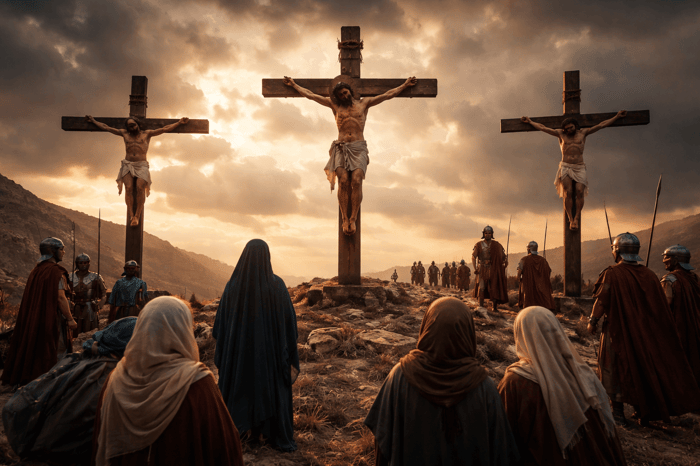
Luke 23:33
“When they came to the place that is called The Skull, they crucified him there with the criminals, one on the right and the other on the left.”
The Gospels record the physical suffering and humiliation Jesus endured. Soldiers mocked Him, placed a crown of thorns on His head, and nailed Him to the cross. Yet throughout this suffering, Jesus demonstrated compassion and forgiveness.
Luke 23:34
“Father, forgive them, for they don’t know what they are doing.”
Even while dying, Jesus showed mercy toward those responsible for His death.
The Meaning of Christ’s Sacrifice
The Crucifixion was not an accident or a failure of Jesus’ mission. Scripture teaches that it was part of God’s plan from the beginning. Jesus came into the world knowing that His purpose included laying down His life for others.
Mark 10:45
“For the Son of Man also came not to be served, but to serve, and to give his life as a ransom for many.”
In the Old Testament, animal sacrifices were offered to symbolize the payment for sin. These sacrifices pointed forward to a greater and final sacrifice. The Crucifixion fulfilled this pattern.
Jesus became the perfect sacrifice—sinless, willing, and sufficient to cover the sins of the world.
1 Peter 2:24
“He himself bore our sins in his body on the tree, that we, having died to sins, might live to righteousness. You were healed by his wounds.”
Because of this sacrifice, forgiveness is now available to all who believe in Christ.
Misunderstandings About Jesus’ Death
Many people misunderstand the meaning of Jesus’ death on the cross. The Bible explains that His sacrifice was not a tragic accident but a purposeful act of redemption.
| Misunderstanding | Biblical Truth | Key Scripture |
|---|---|---|
| Jesus was simply a victim of injustice | His death fulfilled God’s plan of salvation | Acts 2:23 |
| The cross was only an example of love | It was a sacrifice that paid the penalty for sin | 1 Peter 2:24 |
| Good works can replace Christ’s sacrifice | Salvation comes through faith in Christ alone | Ephesians 2:8–9 |
| Jesus’ death ended His mission | The resurrection confirmed His victory | 1 Corinthians 15:3–4 |
| The cross only matters for religious people | It addresses the universal problem of sin | Romans 3:23 |
These truths show that the cross is central to the gospel message. It reveals both the seriousness of sin and the depth of God’s love for humanity.
The Crucifixion in the Gospel of Luke
The Gospel of Luke provides a powerful account of Jesus’ death on the cross. Luke emphasizes both the innocence of Jesus and the compassion He showed even in His final moments.
During this event, two criminals were executed alongside Jesus. One mocked Him, but the other recognized his own guilt and turned to Jesus in faith.
Luke 23:42–43
“He said to Jesus, ‘Lord, remember me when you come into your Kingdom.’
Jesus said to him, ‘Assuredly I tell you, today you will be with me in Paradise.’”
This moment reveals an important truth about the Crucifixion. Salvation is not earned through good works or religious effort. It is received through faith in Jesus.
Even in the final hours of His life, Christ offered grace to a repentant sinner.
Timeline of Good Friday Events
The Gospels describe the final hours of Jesus’ life in remarkable detail. The following timeline summarizes the key events leading to His death.
| Time (Approximate) | Event | Scripture |
|---|---|---|
| Early Morning | Jesus is brought before Pontius Pilate | Luke 23:1–5 |
| Morning | Jesus is mocked and condemned | Luke 23:13–25 |
| Late Morning | Jesus is led to Golgotha carrying the cross | Luke 23:26–32 |
| About 9:00 AM | Jesus is nailed to the cross | Mark 15:25 |
| Noon | Darkness covers the land | Luke 23:44 |
| About 3:00 PM | Jesus dies | Luke 23:46 |
| Evening | Jesus’ body is placed in a tomb | Luke 23:50–53 |
These events reveal the depth of Christ’s suffering and the significance of His sacrifice. The cross stands as the moment when Jesus willingly gave His life to redeem humanity.
The Crucifixion and the Fulfillment of Prophecy
Long before Jesus was born, the Old Testament foretold that the Messiah would suffer and die for the sins of others. One of the clearest prophecies appears in the book of Isaiah.
Isaiah 53:5
“But he was pierced for our transgressions.
He was crushed for our iniquities.
The punishment that brought our peace was on him;
and by his wounds we are healed.”
The Crucifixion fulfilled these prophetic words. Jesus was pierced, mocked, rejected, and ultimately killed, yet His suffering accomplished redemption for humanity.
The fulfillment of these prophecies strengthens the biblical claim that Jesus is the promised Savior.
What the Crucifixion Means for Humanity
The message of the cross addresses the deepest need of every person. Humanity cannot remove the stain of sin through effort, morality, or religious rituals. Forgiveness comes only through the work of Christ.
Acts 4:12
“There is salvation in no one else, for there is no other name under heaven that is given among men by which we must be saved.”
Through the Crucifixion, Jesus paid the debt of sin once and for all. Those who place their trust in Him receive forgiveness and the promise of eternal life.
This truth transforms how believers view the cross. What once symbolized shame and death now represents hope and salvation.
The Crucifixion and the Promise of Resurrection
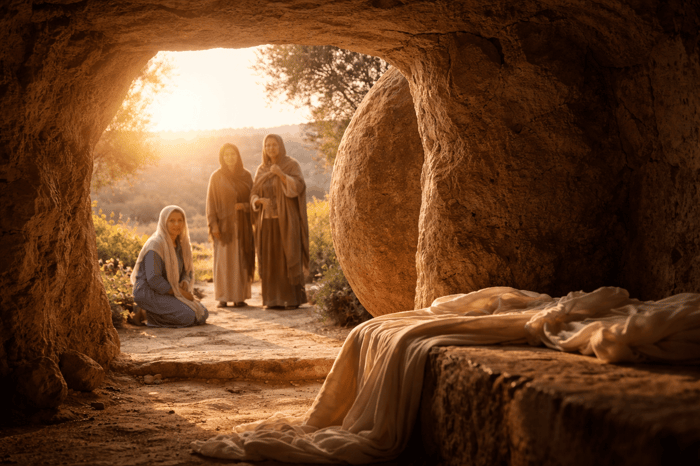
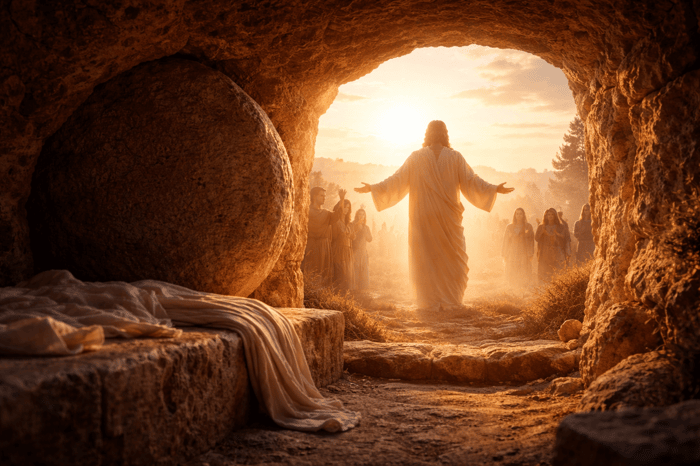
His death does not stand alone. Three days after He died, Jesus rose from the grave. The resurrection confirms that His sacrifice was accepted by God and that sin and death were defeated.
1 Corinthians 15:3–4
“For I delivered to you first of all that which I also received: that Christ died for our sins according to the Scriptures, that he was buried, that he was raised on the third day according to the Scriptures.”
Without the cross, there would be no payment for sin. Without the resurrection, there would be no victory over death. Together, these events form the foundation of Christian hope.
Learning More About the Crucifixion
If you want to explore the meaning and historical details of Jesus’ death on the cross more deeply, the following resources provide additional insight:
How Did Jesus Die — The Crucifixion, Sacrifice, and Promise of Eternal Life
This article explains the physical suffering Jesus endured and the spiritual significance of His sacrifice for the salvation of humanity.
Jesus’ Crucifixion: Insights from the Gospel of Luke
This study explores Luke’s detailed account of the Crucifixion and highlights the compassion, forgiveness, and authority Jesus demonstrated even while on the cross.
Why the Crucifixion Still Matters Today
More than two thousand years after it occurred, Jesus’ death on the cross continues to shape the lives of millions of people around the world. It reveals both the seriousness of sin and the depth of God’s love.
The cross reminds believers that salvation is not something they earn. It is a gift made possible by the sacrifice of Jesus Christ.
Ephesians 2:8–9
“For by grace you have been saved through faith, and that not of yourselves; it is the gift of God, not of works, that no one would boast.”
Because of the Crucifixion, forgiveness is available, hope is real, and eternal life is promised to those who trust in Christ.
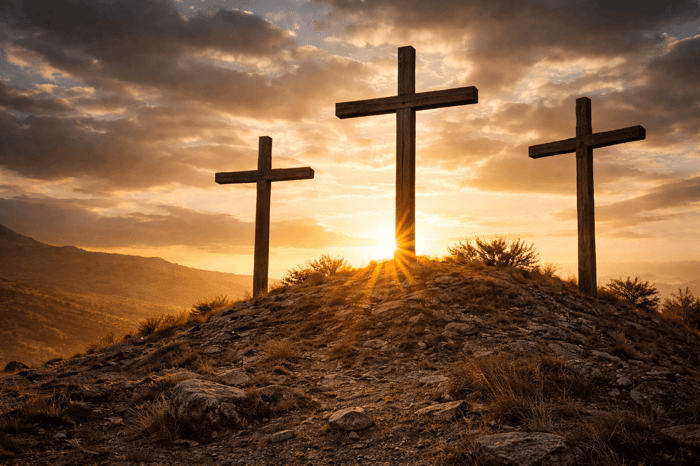
The cross stands as the turning point of history and the foundation of the gospel message.
FAQs
What is the crucifixion of Jesus?
The crucifixion of Jesus refers to the execution of Jesus Christ on a Roman cross outside Jerusalem. According to the Gospels, Jesus was condemned by Roman authorities and crucified at a place called Golgotha. Christians believe His death was a sacrificial act that paid the penalty for human sin.
Luke 23:33
“When they came to the place that is called The Skull, they crucified him there with the criminals, one on the right and the other on the left.”
The crucifixion is central to the Christian message because it reveals both the seriousness of sin and the depth of God’s love for humanity.
Why was Jesus crucified?
Jesus was crucified because religious leaders accused Him of blasphemy and brought Him before Roman authorities, who sentenced Him to death. Yet the Bible teaches that His death was also part of God’s plan to bring salvation to the world.
Romans 5:8
“But God commends his own love toward us, in that while we were yet sinners, Christ died for us.”
Through His sacrifice, Jesus took the punishment that humanity deserved, making forgiveness and reconciliation with God possible.
What happened during the crucifixion?
During the crucifixion, Jesus was nailed to a wooden cross and left to die alongside two criminals. Roman soldiers mocked Him, and a crowd gathered to watch. Despite the suffering, Jesus spoke words of forgiveness and compassion.
Luke 23:34
“Jesus said, ‘Father, forgive them, for they don’t know what they are doing.’”
The Gospels also describe darkness covering the land and Jesus committing His spirit to the Father before His death.
What does the crucifixion accomplish according to the Bible?
The Bible teaches that Jesus’ death on the cross provided the sacrifice needed to deal with sin. His death made it possible for people to be forgiven and restored to a relationship with God.
1 Peter 2:24
“He himself bore our sins in his body on the tree, that we, having died to sins, might live to righteousness. You were healed by his wounds.”
Because of this sacrifice, salvation is offered to anyone who trusts in Christ.
How is the crucifixion connected to the resurrection?
The crucifixion and resurrection are inseparable parts of the gospel message. Jesus died for sin, but three days later He rose from the dead, demonstrating victory over sin and death.
1 Corinthians 15:3–4
“Christ died for our sins according to the Scriptures, that he was buried, that he was raised on the third day according to the Scriptures.”
The resurrection confirms that Jesus’ sacrifice was accepted and that eternal life is available through Him.
What does the crucifixion mean for people today?
For Christians, the crucifixion shows the depth of God’s love and the cost of redemption. It reminds believers that forgiveness and eternal life come through Jesus alone.
John 3:16
“For God so loved the world, that he gave his one and only Son, that whoever believes in him should not perish, but have eternal life.”
Through faith in Christ, people can receive forgiveness, new life, and restoration with God.