Table of Contents
- The Core Scripture Behind “Reap What You Sow”
- Sowing to the Flesh vs. Sowing to the Spirit
- The Principle in Daily Life
- God’s Justice and Mercy in Sowing and Reaping
- The Hope of Redemption
- Do Not Grow Weary
- Seeds That Shape a Legacy
- Warning Against Self-Deception
- Practical Ways to Sow Well
- Christ and the Ultimate Harvest
- Living in Light of This Truth
- FAQs
Reap What You Sow is more than a common saying. It is a spiritual law rooted in Scripture. From the Old Testament to the New, God teaches that actions have consequences. Seeds planted in faith grow into life. Seeds planted in sin bring loss. This truth is steady, clear, and deeply personal.
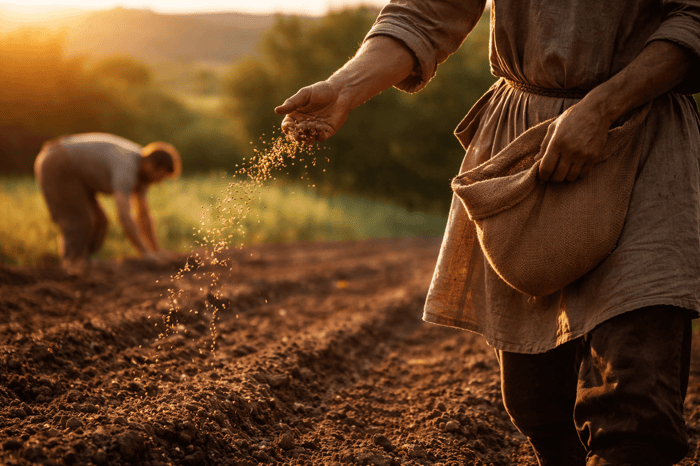
The phrase “Reap What You Sow” reminds us that life is not random. God has woven cause and effect into His creation. Farmers understand this law. You do not plant corn and expect wheat. In the same way, you do not plant bitterness and expect peace.
This principle is not meant to scare believers. It is meant to guide them. It calls us to live with purpose, integrity, and trust in God.
The Core Scripture Behind “Reap What You Sow”
The clearest New Testament teaching on this principle comes from Paul’s letter to the Galatians.
Galatians 6:7–8
Do not be deceived: God cannot be mocked. A man reaps what he sows. Whoever sows to please their flesh, from the flesh will reap destruction; whoever sows to please the Spirit, from the Spirit will reap eternal life.
Paul warns believers not to deceive themselves. God is not mocked. What a person sows, that they will also reap. If they sow to the flesh, they reap corruption. If they sow to the Spirit, they reap eternal life.
This is not karma. It is covenant truth. Karma is impersonal. God’s law of sowing and reaping flows from His character. He is just, holy, and faithful.
The idea appears throughout Scripture:
Job 4:8
As I have observed, those who plow evil
and those who sow trouble reap it.
Hosea 8:7
“They sow the wind
and reap the whirlwind.
The stalk has no head;
it will produce no flour.
Were it to yield grain,
foreigners would swallow it up.
Both verses show that choices carry weight. Sin produces damage. Righteousness produces fruit.
Sowing to the Flesh vs. Sowing to the Spirit
Paul draws a sharp line between two types of sowing.
Sowing to the Flesh
Sowing to the flesh means living for selfish desires. It includes pride, envy, anger, lust, greed, and rebellion. These seeds may look small at first, but they grow.
For example:
- A harsh word can grow into broken trust.
- Hidden sin can grow into public shame.
- Neglected prayer can grow into spiritual dryness.
The flesh promises quick reward but gives lasting harm.
Sowing to the Spirit
Sowing to the Spirit means walking in obedience to God. It means choosing truth over lies and love over hatred.
Paul lists the fruit of the Spirit earlier in Galatians:
Galatians 5:22–23
But the fruit of the Spirit is love, joy, peace, forbearance, kindness, goodness, faithfulness, gentleness and self-control. Against such things there is no law.
When believers plant seeds of love, patience, kindness, and faithfulness, they begin to reap peace and joy.
The law of “Reap What You Sow” works in both directions. That should both warn and encourage us.
The Principle in Daily Life
The truth that you Reap What You Sow shows up in simple ways.
| Area of Life | What Is Sown | What Is Reaped |
|---|---|---|
| Relationships | Forgiveness | Restored trust |
| Relationships | Bitterness | Division |
| Finances | Generosity | Provision & blessing |
| Spiritual Life | Prayer | Deeper faith |
| Spiritual Life | Neglect | Weakness |
The Bible connects generosity with harvest:
2 Corinthians 9:6
Remember this: Whoever sows sparingly will also reap sparingly, and whoever sows generously will also reap generously.
Giving is not a business deal with God. It is an act of faith. Yet Scripture shows that generous hearts often see generous outcomes.
God’s Justice and Mercy in Sowing and Reaping
Some struggle with this principle because life does not always look fair. Good people suffer. Wicked people prosper.
Scripture addresses this tension:
Psalm 73:3–5
For I envied the arrogant
when I saw the prosperity of the wicked.
They have no struggles;
their bodies are healthy and strong.
They are free from common human burdens;
they are not plagued by human ills.
The psalmist wrestled with envy. But he later understood that God sees the full picture.
The law to Reap What You Sow does not mean instant results. Seeds take time to grow. God’s justice unfolds across seasons.
Sometimes reaping happens in this life. Sometimes it points to eternity.
Ecclesiastes 12:14
For God will bring every deed into judgment,
including every hidden thing,
whether it is good or evil.
Nothing is hidden from God. Every seed matters.
The Hope of Redemption
The message of “Reap What You Sow” might feel heavy. What if someone has sown sin for years? Is the harvest fixed?
Here the gospel brings hope.
2 Corinthians 5:17
Therefore, if anyone is in Christ, the new creation has come: The old has gone, the new is here!
Through Christ, believers become new creations. While consequences may remain, forgiveness restores relationship with God.
Grace does not erase the law of sowing and reaping. But it transforms the heart that sows.
A person who once planted anger can begin planting peace. A person who once planted deceit can begin planting truth.
God delights in growth.
Do Not Grow Weary
Paul continues his teaching in Galatians with encouragement:
Galatians 6:9
Let us not become weary in doing good, for at the proper time we will reap a harvest if we do not give up.
Many believers sow faithfully but see no change. They pray for years. They serve without praise. They forgive without thanks.
The harvest may not be visible yet.
Farmers understand seasons. There is planting, watering, waiting, and harvest. The same is true in the Christian life.
If you sow prayer, keep praying.
If you sow kindness, keep loving.
If you sow truth, keep speaking.
You will reap in due season.
Seeds That Shape a Legacy
The truth that you Reap What You Sow reaches beyond one lifetime. Parents sow into children. Leaders sow into churches. Friends sow into each other.
Small habits form deep roots.
- Daily Scripture reading builds strong faith.
- Honest words build trust.
- Quiet generosity builds lasting impact.
The book of Proverbs teaches this clearly:
Proverbs 11:18
A wicked person earns deceptive wages,
but the one who sows righteousness reaps a sure reward.
Righteousness carries reward. That reward may be peace of mind, stable relationships, or eternal joy.
Warning Against Self-Deception
Paul begins his teaching with a clear warning: “Do not be deceived.”
It is easy to think:
- “No one will notice.”
- “This small sin does not matter.”
- “I can change later.”
But seeds grow whether seen or not.
Sin planted in secret still produces fruit. Faith planted in secret also produces fruit.
God sees both.
Practical Ways to Sow Well
If the law of “Reap What You Sow” is true, then wise believers choose their seeds carefully.
Here are simple ways to sow to the Spirit:
- Spend daily time in prayer.
- Study Scripture with purpose.
- Speak words that build up.
- Give without expecting praise.
- Serve when it costs something.
- Forgive quickly.
Each action is a seed.
You may not see the harvest this week or this year. But God promises growth in His time.
Christ and the Ultimate Harvest
Jesus spoke of seeds often. He described the Word of God as seed planted in soil.
Luke 8:11
“This is the meaning of the parable: The seed is the word of God.
He also spoke of His own death as a seed:
John 12:24
Very truly I tell you, unless a kernel of wheat falls to the ground and dies, it remains only a single seed. But if it dies, it produces many seeds.
Christ sowed His life into the ground. From that sacrifice came salvation for many.
The cross is the greatest example of sowing and reaping. Jesus sowed obedience. The harvest was redemption.
Because of Him, believers can sow in hope.
Living in Light of This Truth
To Reap What You Sow is not just a warning. It is an invitation. It calls believers to live awake and aware.
Every thought is a seed.
Every word is a seed.
Every action is a seed.
Some seeds will bear fruit quickly. Others will take years. All of them matter.
This biblical truth shapes character, choices, and destiny. It reminds us that God’s world runs on moral order. Nothing is wasted. Nothing is unseen.
Choose seeds wisely. Trust God with the harvest.
FAQs
Does “Reap What You Sow” apply to Christians today?
Yes. The principle of sowing and reaping is clearly taught to believers in the New Testament. Christians are called to sow to the Spirit, not the flesh.
Galatians 6:7–8 (KJV)
Be not deceived; God is not mocked: for whatsoever a man soweth, that shall he also reap.
For he that soweth to his flesh shall of the flesh reap corruption; but he that soweth to the Spirit shall of the Spirit reap life everlasting.
This truth applies to daily decisions, habits, and spiritual priorities.
If I repent, will I still reap consequences?
Forgiveness restores your relationship with God, but some earthly consequences may remain. Scripture shows both mercy and justice at work together.
2 Samuel 12:13–14 (KJV)
And David said unto Nathan, I have sinned against the Lord. And Nathan said unto David, The Lord also hath put away thy sin; thou shalt not die.
Howbeit, because by this deed thou hast given great occasion to the enemies of the Lord to blaspheme, the child also that is born unto thee shall surely die.
God forgives sin fully, yet actions may still produce outcomes that shape future seasons.
Why do good people sometimes suffer while evil people prosper?
Sowing and reaping does not always happen on our timeline. Some harvests are delayed, and ultimate justice belongs to God.
Psalm 73:16–17 (KJV)
When I thought to know this, it was too painful for me;
Until I went into the sanctuary of God; then understood I their end.
God sees beyond the present moment. What looks unfair now will be made right in His time.
Can I change what I will reap in the future?
Yes. While past seeds may still grow, new seeds can be planted today. God invites believers to turn, obey, and begin sowing righteousness.
Hosea 10:12 (KJV)
Sow to yourselves in righteousness, reap in mercy; break up your fallow ground: for it is time to seek the Lord, till he come and rain righteousness upon you.
Spiritual growth begins with new choices rooted in faith.
What does it mean to sow to the Spirit?
To sow to the Spirit means to live in obedience to God’s Word and guidance. It involves prayer, generosity, truthfulness, and love.
Romans 8:5–6 (KJV)
For they that are after the flesh do mind the things of the flesh; but they that are after the Spirit the things of the Spirit.
For to be carnally minded is death; but to be spiritually minded is life and peace.
The mindset directed by the Spirit leads to life and peace.
What promise encourages believers to keep sowing faithfully?
God assures believers that faithful sowing will not be wasted. Even when results are unseen, the harvest will come in due season.
Galatians 6:9 (KJV)
And let us not be weary in well doing: for in due season we shall reap, if we faint not.
Perseverance in righteousness leads to lasting reward.