
Table of Contents
- Where Does “Walk by Faith and Not by Sight” Come From?
- What Does It Mean to Walk by Faith and Not by Sight?
- Why Walking by Faith Matters During Hard Times
- Walk by Faith and Not by Sight in Everyday Life
- Trusting God Without Answers
- How Fear Tries to Replace Faith
- How to Grow Stronger Faith
- Real-Life Examples of Walking by Faith
- Jesus Is the Perfect Example of Faithful Trust
- The Gospel and Walking by Faith
- God Sees What You Cannot See
- FAQs
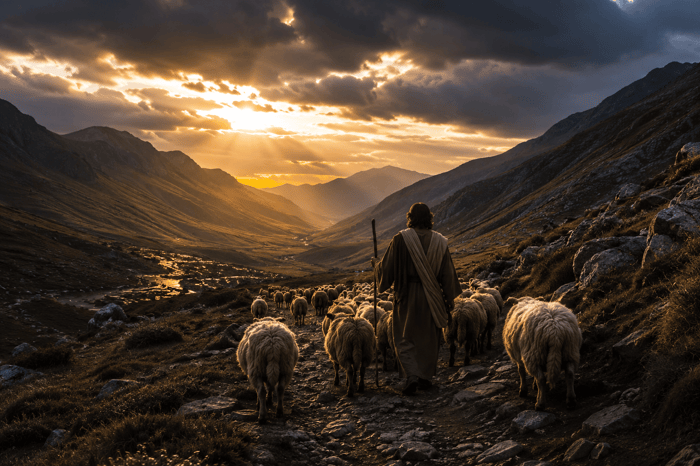
Many Christians have heard the phrase Walk by Faith and Not by Sight, but what does it actually mean in daily life? This powerful statement comes from Scripture and teaches believers how to trust God even when life feels uncertain, painful, or confusing.
Faith becomes most important when answers are unclear. It matters when prayers seem delayed, when fear rises, or when circumstances make no sense. Walking by faith means choosing to trust God's character, promises, and wisdom even when emotions or visible situations push people toward fear. Learning to Walk by Faith and Not by Sight takes daily dependence on God.
The Christian life was never meant to depend only on what people can see or understand. God calls believers to trust Him fully, especially during difficult seasons.
Where Does “Walk by Faith and Not by Sight” Come From?
The phrase comes from the apostle Paul in 2 Corinthians 5:7.
“For we walk by faith, not by sight.”
— 2 Corinthians 5:7
Paul wrote these words while discussing the temporary struggles of earthly life and the eternal hope believers have in Christ. Christians may not physically see everything God is doing, but they can still trust Him completely.
The word “walk” in Scripture often describes a person's daily life, choices, and direction. Walking by faith is not just a one-time decision. It is a daily lifestyle of trusting God without answers.
What Does It Mean to Walk by Faith and Not by Sight?
To walk by faith means believers trust God's truth more than their changing emotions, fears, or circumstances.
Walking by sight means depending only on visible evidence, personal understanding, or immediate results.
Faith does not ignore reality. Instead, faith believes God is still working even when reality feels overwhelming.
Here is a simple comparison:
| Walking by Faith | Walking by Sight |
|---|---|
| Trusts God's promises | Trusts feelings alone |
| Depends on God's wisdom | Depends only on human understanding |
| Chooses obedience | Chooses comfort or fear |
| Looks toward eternal hope | Focuses only on present problems |
| Seeks God in uncertainty | Panics during uncertainty |
Walking by faith and not by sight does not mean Christians never struggle emotionally. It means they continue trusting God through those struggles.
Why Walking by Faith Matters During Hard Times
Hard seasons often reveal what people truly trust. When life becomes painful or uncertain, people naturally want immediate answers and visible solutions.
But God often grows faith during seasons of waiting.
Abraham trusted God before seeing the fulfillment of God's promises.
“He didn’t waver through unbelief, but grew strong through faith, giving glory to God.”
— Romans 4:20
Noah built the ark before rain ever came.
“By faith, Noah, being warned about things not yet seen, moved with godly fear.”
— Hebrews 11:7
Peter stepped out onto the water before knowing how things would unfold.
“Peter answered him and said, ‘Lord, if it is you, command me to come to you on the waters.’”
— Matthew 14:28
Each example shows people trusting God without having complete understanding first.
Faith over fear becomes possible when believers remember who God is.
Walk by Faith and Not by Sight in Everyday Life
Many Christians think faith only applies to major life decisions. In reality, walking by faith affects ordinary daily living.
Here are practical examples of trusting God without answers:
- Continuing to pray when circumstances have not changed
- Obeying God even when it feels difficult
- Trusting God during financial stress
- Believing God is present during grief
- Waiting patiently during uncertainty
- Choosing peace instead of panic
- Following biblical truth instead of cultural pressure
Faith is often quiet and steady rather than dramatic. Christians who Walk by Faith and Not by Sight continue trusting God even during uncertainty.
Trusting God Without Answers
One of the hardest parts of faith is not having complete answers.
People often ask questions like:
- Why is this happening?
- Why is God waiting?
- Why didn't things work out differently?
- What if the future becomes harder?
The Bible does not promise believers full understanding in this life. But it does promise God's wisdom, presence, and faithfulness.
“Trust in the Lord with all your heart,
and do not lean on your own understanding.”
— Proverbs 3:5 (ESV)
Faith grows when believers stop demanding total control and begin trusting God's greater plan.
“For my thoughts are not your thoughts,
neither are your ways my ways, declares the Lord.
— Isaiah 55:8 (ESV)
Trusting God without answers does not mean pretending confusion does not exist. It means believing God is wise even when life feels unclear.
How Fear Tries to Replace Faith
Fear focuses on worst-case scenarios. Faith focuses on God's promises.
Fear says:
- “What if everything falls apart?”
- “What if God forgets me?”
- “What if things never improve?”
Faith says:
- “God is still faithful.”
- “God is still present.”
- “God still keeps His promises.”
This does not mean believers never feel afraid. Even strong Christians experience fear at times.
David often cried out honestly to God while still choosing faith.
“When I am afraid, I will put my trust in you.”
— Psalm 56:3
Notice David did not say he never felt fear. He chose to trust God in the middle of fear.
How to Grow Stronger Faith
Faith grows over time through daily dependence on God. Just like physical strength develops through exercise, spiritual faith grows through consistent trust and obedience.
1. Spend Time in God's Word
The Bible strengthens faith because it reminds believers of God's truth and promises.
“So faith comes by hearing, and hearing by the word of God.”
— Romans 10:17
2. Pray Honestly
Prayer builds closeness with God. Honest prayer allows believers to bring fears, doubts, and burdens directly to Him.
“In nothing be anxious, but in everything, by prayer and petition with thanksgiving, let your requests be made known to God.”
— Philippians 4:6
3. Remember God's Past Faithfulness
Looking back at God's faithfulness helps believers trust Him in present struggles.
“Jesus Christ is the same yesterday, today, and forever.”
— Hebrews 13:8
4. Obey God Even When It Feels Hard
Faith grows through obedience. Sometimes God calls believers to obey before they fully understand His plan.
“Be doers of the word, and not only hearers, deluding your own selves.”
— James 1:22
5. Focus on Eternal Hope
Walking by sight focuses only on temporary problems. Faith remembers eternity.
“For our light affliction, which is for the moment, works for us more and more exceedingly an eternal weight of glory.”
— 2 Corinthians 4:17
Real-Life Examples of Walking by Faith
A person may lose a job and still trust God to provide.
A parent may continue praying for a prodigal child even after years of waiting.
Someone facing illness may trust God's goodness despite difficult news.
A believer struggling emotionally may continue reading Scripture and praying even when feelings are weak.
These situations do not always end quickly or easily. Walking by faith means continuing to follow God through uncertainty rather than giving up when answers are delayed.
Jesus Is the Perfect Example of Faithful Trust
Jesus perfectly trusted the Father during suffering.
Before the cross, Jesus prayed honestly about the pain ahead while still submitting fully to God's will.
“Nevertheless, not my will, but yours, be done.”
— Luke 22:42
Jesus trusted the Father completely even through rejection, suffering, and death.
Because of Christ, believers can trust God during their own difficult seasons. Jesus showed believers how to Walk by Faith and Not by Sight through complete obedience to the Father.
The Gospel and Walking by Faith
The Gospel itself requires faith. Humanity cannot save itself through human effort, good works, or personal strength. Sin separated people from God and brought brokenness into the world.
God provided salvation through Jesus Christ alone.
“For God so loved the world, that he gave his one and only Son, that whoever believes in him should not perish, but have eternal life.”
— John 3:16
Salvation begins when people place their faith in Jesus Christ instead of trusting themselves.
Walking by faith and not by sight also means trusting God's promise of eternal life even though believers cannot yet physically see heaven.
“Now faith is assurance of things hoped for, proof of things not seen.”
— Hebrews 11:1
Faith is not blind optimism. Biblical faith is confident trust in the character and promises of God.
God Sees What You Cannot See
People naturally want certainty, visible proof, and complete understanding. But God often calls believers to trust Him step by step.
Walking by faith does not mean life becomes easy. It means believers learn to depend on God more deeply through every season. To Walk by Faith and Not by Sight is to trust God beyond visible circumstances.
When fear rises, when answers feel delayed, and when the future looks uncertain, Christians can still move forward knowing God remains faithful.
“And the Lord will guide you continually”
— Isaiah 58:11 (ESV)
Even when believers cannot clearly see the road ahead, God already knows the path.
FAQs
What does it mean to walk by faith and not by sight?
To walk by faith and not by sight means trusting God's promises, wisdom, and character even when circumstances feel uncertain or difficult. Instead of depending only on visible results or human understanding, believers choose to trust God daily.
“For we walk by faith, not by sight.”
— 2 Corinthians 5:7
How can I trust God when I do not have answers?
Trusting God without answers begins with remembering that God sees the full picture while people only see part of it. Faith means believing God is still working even when His timing or plans are unclear.
“Trust in Yahweh with all your heart, and don’t lean on your own understanding.”
— Proverbs 3:5
Does walking by faith mean ignoring reality?
No. Biblical faith does not pretend problems are not real. Walking by faith means facing reality while still believing God is faithful, present, and in control during hard times.
“God is our refuge and strength, a very present help in trouble.”
— Psalm 46:1
How do I choose faith over fear?
Faith over fear happens when believers focus more on God's promises than on worst-case scenarios. Fear often grows when people focus only on uncertainty, but faith grows through prayer, Scripture, and remembering God's faithfulness.
“When I am afraid, I will put my trust in you.”
— Psalm 56:3
Why does God allow seasons where faith is tested?
God often uses difficult seasons to strengthen faith, deepen dependence on Him, and shape spiritual maturity. Many biblical figures grew stronger through hardship and waiting.
“He didn’t waver through unbelief, but grew strong through faith, giving glory to God.”
— Romans 4:20
How can I grow stronger in faith every day?
Faith grows through consistent time in God's Word, honest prayer, obedience, and trusting God step by step. Spiritual growth usually happens slowly through daily dependence on Him.
“So faith comes by hearing, and hearing by the word of God.”
— Romans 10:17
What is the difference between walking by faith and walking by sight?
Walking by sight depends only on visible evidence, feelings, or immediate understanding. Walking by faith trusts God even when circumstances are confusing or uncertain.
“Now faith is assurance of things hoped for, proof of things not seen.”
— Hebrews 11:1
How does the Gospel connect to walking by faith and not by sight?
The Gospel itself requires faith. People cannot earn salvation through good works, personal effort, or human wisdom. Sin separated humanity from God and brought suffering and brokenness into the world.
God provided salvation through Jesus Christ alone. Believers trust in Christ's death and resurrection even though they cannot physically see eternal life yet. Walking by faith and not by sight means believing God's promise of salvation through Jesus.
“For God so loved the world, that he gave his one and only Son, that whoever believes in him should not perish, but have eternal life.”
— John 3:16
“But the righteous shall live by faith.”
— Romans 1:17