
Table of Contents
- What Is Spiritual Growth?
- What Is Spiritual Maturity?
- Spiritual Growth vs Spiritual Maturity (Key Differences)
- How Growth Leads to Maturity
- Stages of Christian Growth
- Why Some Grow but Do Not Mature
- Real-Life Example: Growth vs Maturity
- How to Move from Growth to Maturity
- The Role of Trials in Spiritual Maturity
- How the Gospel Connects to Growth and Maturity
- How to Know If You Are Growing or Maturing
- Final Thoughts on Spiritual Growth vs Spiritual Maturity
- FAQs
Understanding spiritual growth vs spiritual maturity is important for every Christian. Many people use these words the same way, but the Bible shows they are closely related yet not identical.
Spiritual growth is about movement—growing in your relationship with God over time. Spiritual maturity is about stability—becoming more like Christ in your thinking, actions, and character.
Both matter. You can grow without being mature, and you can be mature in some areas while still growing in others. Knowing the difference helps you walk with God in a steady and healthy way.
But grow in the grace and knowledge of our Lord and Savior Jesus Christ. To him be the glory both now and forever. Amen.
— 2 Peter 3:18 (WEB)
What Is Spiritual Growth?
Spiritual growth means increasing in your relationship with God. It is a process that happens over time as you learn, obey, and trust Him.
Growth is not instant. It happens little by little.
Like newborn babies, long for the pure milk of the Word, that with it you may grow.
— 1 Peter 2:2 (WEB)
Key signs of spiritual growth:
- You begin to understand the Bible more
- You pray more often
- You become aware of sin
- You desire to follow God
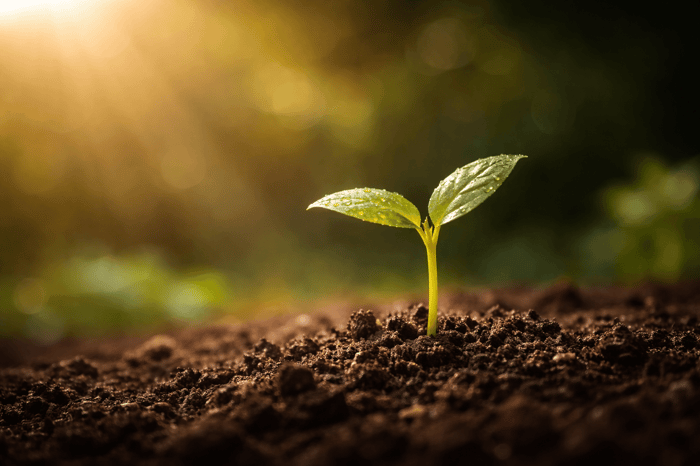
Growth is like planting a seed. At first, you see small changes. Over time, those changes become stronger and deeper.
What Is Spiritual Maturity?
Spiritual maturity is the result of growth. It is when your faith becomes steady, strong, and consistent.
A mature believer is not perfect, but they are grounded in truth and less controlled by emotions or circumstances.
Until we all attain to the unity of the faith and of the knowledge of the Son of God, to a full grown man, to the measure of the stature of the fullness of Christ.
— Ephesians 4:13 (WEB)
Signs of spiritual maturity:
- You respond to problems with faith
- You show patience and self-control
- You live out what you believe
- You help others grow
Maturity is not about how long you have been a Christian. It is about how deeply Christ has changed you.
Spiritual Growth vs Spiritual Maturity (Key Differences)
Here is a simple way to understand spiritual growth vs spiritual maturity:
| Area | Spiritual Growth | Spiritual Maturity |
|---|---|---|
| Focus | Learning and progress | Stability and character |
| Time | Early and ongoing | Developed over time |
| Behavior | Starting to change | Consistently Christ-like |
| Faith | Growing understanding | Deep trust and confidence |
| Response to trials | Learning to trust God | Trusting God with peace |
Both are needed. Growth leads to maturity, and maturity continues to grow.
How Growth Leads to Maturity
When you understand spiritual growth vs spiritual maturity, you see they are not separate paths. Growth leads to maturity over time.
The Bible shows that God uses daily life to shape believers.
Don’t be conformed to this world, but be transformed by the renewing of your mind.
— Romans 12:2 (WEB)
This transformation happens as:
- You read God’s Word
- You apply what you learn
- You trust God in hard situations
Each step of growth builds maturity.
Stages of Christian Growth
The Bible describes different stages of faith. Not everyone is at the same place, and that is normal.
I write to you, little children, because your sins are forgiven you for his name’s sake. I write to you, fathers, because you know him who is from the beginning.
— 1 John 2:12–13 (WEB)
Simple stages of Christian growth:
- New believer: Learning basic truth
- Growing believer: Building habits and understanding
- Mature believer: Living out truth with consistency
These stages are not strict. A person may grow faster in one area than another.
Why Some Grow but Do Not Mature
It is possible to grow in knowledge but not become mature in character.
Some people learn Scripture but do not apply it. Others start strong but do not stay consistent.
But be doers of the word, and not only hearers, deluding your own selves.
— James 1:22 (WEB)
Common reasons for lack of maturity:
- Knowing truth but not obeying it
- Inconsistent spiritual habits
- Avoiding difficult situations that build faith
- Relying on feelings instead of truth
Growth without application leads to weakness. True maturity requires both learning and living.
Real-Life Example: Growth vs Maturity
Imagine two believers:
Person A:
- Reads the Bible often
- Knows many verses
- Still reacts with anger and fear
Person B:
- Knows fewer verses
- Applies what they know
- Responds with patience and trust
Person A is growing in knowledge. Person B is showing maturity.
This shows the difference between growing and maturing spiritually.
How to Move from Growth to Maturity
If you want to move from growth to maturity, you must apply what you learn.
Solid food is for those who are full grown, who by reason of use have their senses exercised to discern good and evil.
— Hebrews 5:14 (WEB)
Practical steps:
- Practice obedience daily
- Trust God during trials
- Stay consistent in your habits
- Ask God to change your heart
Maturity comes through use, not just knowledge.
The Role of Trials in Spiritual Maturity
Trials are one of the main ways God builds maturity.
Count it all joy, my brothers, when you fall into various trials, knowing that the testing of your faith produces perseverance.
— James 1:2–3 (WEB)
Trials help you:
- Learn patience
- Strengthen your faith
- Depend on God more
Growth often happens in comfort, but maturity is shaped in difficulty.
How the Gospel Connects to Growth and Maturity
Understanding spiritual growth vs spiritual maturity starts with the Gospel.
God created us to know Him, but sin separated us from Him.
For God so loved the world, that he gave his one and only Son, that whoever believes in him should not perish, but have eternal life.
— John 3:16 (WEB)
Jesus Christ made a way for us to return to God through His death and resurrection.
Therefore if anyone is in Christ, he is a new creation. The old things have passed away. Behold, all things have become new.
— 2 Corinthians 5:17 (WEB)
When you trust in Christ:
- You begin spiritual growth
- You receive a new life
- You start a process of transformation
Spiritual growth begins at salvation, but maturity develops as you walk with Christ daily.
How to Know If You Are Growing or Maturing
It can be helpful to ask simple questions about your life.
Check your growth:
- Am I learning God’s Word?
- Do I desire to follow Him more?
Check your maturity:
- Do I respond to problems with faith?
- Am I becoming more like Christ?
Both questions matter. Growth feeds maturity, and maturity shows growth.
Final Thoughts on Spiritual Growth vs Spiritual Maturity
The difference between growth and maturity is simple:
- Growth is the process
- Maturity is the result
But both continue throughout your life.
God is not finished with you. He is shaping you step by step.
He who began a good work in you will complete it until the day of Jesus Christ.
— Philippians 1:6 (WEB)
Keep growing. Keep trusting. Over time, that growth will lead to true spiritual maturity.
FAQs
What is the difference between spiritual growth vs spiritual maturity?
Spiritual growth is the process of learning and developing in your faith, while spiritual maturity is the result of that growth becoming steady and lived out in your life.
But grow in the grace and knowledge of our Lord and Savior Jesus Christ. To him be the glory both now and forever. Amen.
— 2 Peter 3:18 (WEB)
Growth is ongoing, but maturity shows itself in how you think, act, and respond.
Can a Christian be growing but not mature?
Yes. A person can learn a lot about God but still struggle to live it out. Growth in knowledge does not always mean maturity in character.
But be doers of the word, and not only hearers, deluding your own selves.
— James 1:22 (WEB)
True maturity happens when what you learn begins to shape how you live.
How does spiritual growth lead to spiritual maturity?
Spiritual growth leads to maturity when you apply what you learn and trust God through real-life situations.
Don’t be conformed to this world, but be transformed by the renewing of your mind.
— Romans 12:2 (WEB)
Over time, this process builds a stable and Christ-like life.
What are the signs of spiritual maturity?
Spiritual maturity is seen in consistent faith and Christ-like character, especially during hard moments.
Until we all attain to the unity of the faith and of the knowledge of the Son of God, to a full grown man, to the measure of the stature of the fullness of Christ.
— Ephesians 4:13 (WEB)
Mature believers show patience, wisdom, and steady trust in God.
Why are trials important for spiritual maturity?
Trials test and strengthen your faith, helping you move from growth into maturity.
Count it all joy, my brothers, when you fall into various trials, knowing that the testing of your faith produces perseverance.
— James 1:2–3 (WEB)
Without trials, faith may grow, but it will not become strong and steady.
How long does it take to become spiritually mature?
Spiritual maturity takes time and does not happen instantly. It develops through consistent growth and obedience.
Solid food is for those who are full grown, who by reason of use have their senses exercised to discern good and evil.
— Hebrews 5:14 (WEB)
Maturity comes through practice, not just knowledge.
How does the Gospel explain spiritual growth vs spiritual maturity?
Understanding spiritual growth vs spiritual maturity begins with the Gospel. God created us to know Him, but sin separated us from Him.
For God so loved the world, that he gave his one and only Son, that whoever believes in him should not perish, but have eternal life.
— John 3:16 (WEB)
Jesus Christ made a way for us to return to God, and through Him, we receive new life.
Therefore if anyone is in Christ, he is a new creation. The old things have passed away. Behold, all things have become new.
— 2 Corinthians 5:17 (WEB)
Spiritual growth vs spiritual maturity shows the full journey: from new life in Christ to a steady, transformed life that reflects Him.