Table of Contents
- What Was the Fall?
- Why Did God Allow the Fall Instead of Preventing It?
- Did God Make Adam and Eve Sin?
- Why Did God Permit Sin If He Knew the Result?
- What Changed After the Fall?
- Why Did God Allow the Fall in His Plan of Redemption?
- Does Redemption Make the Fall Good?
- How Does Jesus Answer the Problem of the Fall?
- What Does the Fall Teach Us About Human Nature?
- Why Did God Allow the Fall If He Loves Us?
- Will God Ever Reverse the Effects of the Fall?
- How Should We Respond to the Fall?
- Trusting God When We Do Not Know Every Answer
- FAQs
Why did God allow the Fall if He knew Adam and Eve would disobey Him? This question reaches into God's wisdom, human freedom, the origin of suffering, and His plan to save sinners through Jesus Christ.
The Bible does not say God caused Adam and Eve to sin. God created them good, placed them in a good world, and gave them a clear command. They chose to rebel against Him.
Yet their sin did not surprise God or destroy His purpose. From the beginning, the Father had a plan to defeat sin, save His people, and reveal His grace through His Son.
What Was the Fall?
The Fall was humanity's first act of rebellion against God. Adam and Eve ate from the tree of the knowledge of good and evil after God had told them not to eat from it.
God did not create them sinful. He created them in His image and called His creation very good.
God saw everything that he had made, and, behold, it was very good. There was evening and there was morning, a sixth day.
Genesis 1:31 (WEB)
Adam and Eve lived in fellowship with God. They had everything they needed, but God gave them one command.
And the Lord God commanded the man, saying, “You may surely eat of every tree of the garden, 17 but of the tree of the knowledge of good and evil you shall not eat, for in the day that you eat[a] of it you shall surely die.”
Genesis 2:16-17 (ESV)
The serpent questioned God's Word and God's goodness. Eve ate the fruit, and Adam ate with her. Their choice brought guilt, shame, separation, suffering, and death into human life.
This is the Fall explained in simple terms: humanity turned away from God's rule and tried to decide good and evil apart from Him.
Why Did God Allow the Fall Instead of Preventing It?
The Bible does not give one verse that answers every part of why did God allow the Fall. However, Scripture gives several truths that help us understand it.
Understanding why did God allow the Fall begins with the fact that God allowed Adam and Eve to make a real moral choice. He gave them a command they could obey or reject.
Their freedom did not mean they could escape the results of their choice. True freedom includes responsibility. Their decision had real consequences because their relationship with God was real.
God could have created people who acted like machines and never made meaningful choices. Instead, He created human beings who could know Him, love Him, trust Him, and obey Him.
Love that is forced is not true love. Obedience without any possibility of disobedience would not carry the same moral meaning.
God permitted the choice, but He did not approve of the sin.
Did God Make Adam and Eve Sin?
No. Scripture teaches that God is holy and does not tempt people to do evil.
Let no man say when he is tempted, 'I am tempted by God,' for God can't be tempted by evil, and he himself tempts no one.
James 1:13 (WEB)
The serpent tempted Eve. Adam and Eve then chose to disobey God's command.
God placed the tree in the garden, but the tree was not evil. God's command created a clear opportunity for trust and obedience. Adam and Eve were responsible for how they responded.
This distinction matters when asking why did God allow Adam and Eve to sin. God gave them freedom, but He did not place evil desires inside them or force them to rebel.
Their sin came from turning away from God's truth and trusting the serpent's lie.
Why Did God Permit Sin If He Knew the Result?
God knows all things, including the choices people will make. Adam and Eve's sin did not catch Him by surprise.
Still, knowing that an event will happen is not the same as causing it to happen. God knew they would sin, but they acted willingly.
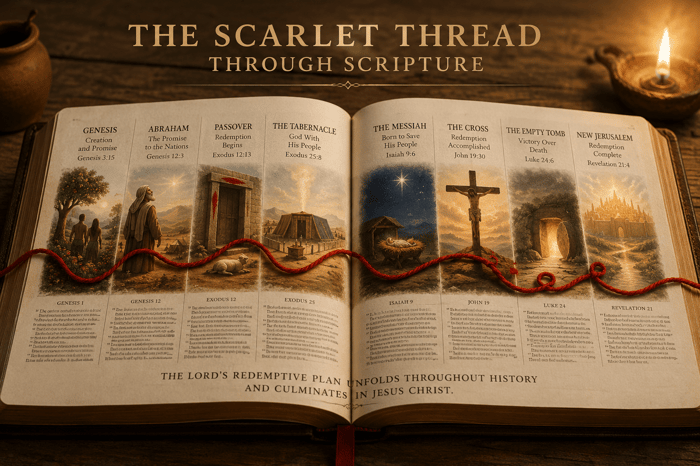
God also knew what He would do after the Fall. His answer to sin was not a rushed plan. Redemption through Jesus Christ was part of His eternal purpose.
He was foreknown indeed before the foundation of the world, but was revealed in this last age for your sake.
1 Peter 1:20 (WEB)
Why did God permit sin? Scripture shows that He allowed human rebellion for a time while working out a greater plan that would display His holiness, justice, mercy, love, and grace.
God's plan does not make sin good. Sin remains evil. But God is able to bring good out of what sinners mean for evil.
What Changed After the Fall?
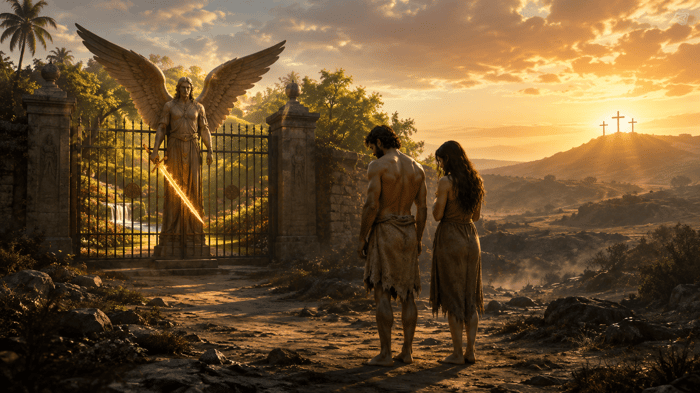
The Fall affected every part of human life. Adam and Eve experienced shame and hid from God. Their relationship with each other was damaged. Work became painful. Childbearing included sorrow. Physical death entered human experience.
They were also removed from the garden and separated from the tree of life.
So he drove out the man; and he placed cherubim at the east of the garden of Eden, and a flaming sword which turned every way, to guard the way to the tree of life.
Genesis 3:24 (WEB)
The effects of the Fall did not end with Adam and Eve. Sin and death spread to all humanity.
Therefore as sin entered into the world through one man, and death through sin, so death passed to all men because all sinned.
Romans 5:12 (WEB)
Understanding why did God allow the Fall also helps explain why the world contains both beauty and brokenness. God's creation still reflects His wisdom, but it now suffers under sin's curse.
| Before the Fall | After the Fall |
|---|---|
| Open fellowship with God | Separation and fear |
| Innocence | Guilt and shame |
| Harmony between people | Conflict and blame |
| Work without painful struggle | Toil, thorns, and frustration |
| Access to the tree of life | Physical death |
| A world called very good | Creation under corruption |
Why Did God Allow the Fall in His Plan of Redemption?
Why did God allow the Fall when He could see the pain it would bring? One biblical answer is that God planned to reveal the greatness of His grace through Jesus Christ.
Before sin entered the world, Adam and Eve knew God as their Creator. After the Fall, humanity would also come to know Him as Redeemer.
God's justice would be shown because sin must be judged. His mercy would be shown because He saves guilty people. His love would be shown because He gave His Son for sinners.
The first promise of victory appears soon after Adam and Eve sinned. God spoke of a descendant of the woman who would crush the serpent.
I will put hostility between you and the woman, and between your offspring and her offspring. He will bruise your head, and you will bruise his heel.
Genesis 3:15 (WEB)
This promise pointed forward to Jesus. Satan would strike Him through suffering and death, but Jesus would defeat sin, death, and the devil through His death and resurrection.
The Fall was not the end of God's relationship with humanity. It became the setting in which His plan of redemption would unfold.
Does Redemption Make the Fall Good?
No. Christians should never call sin good simply because God can bring good from it.
Adam and Eve's rebellion was evil. Human suffering is painful. Death is an enemy, not a blessing.
God's power is seen in the fact that evil cannot defeat His purposes. He does not need to become the author of evil to rule over it.
Joseph explained this truth after his brothers had treated him with great cruelty.
As for you, you meant evil against me, but God meant it for good, to bring to pass, as it is today, to save many people alive.
Genesis 50:20 (WEB)
The brothers were responsible for their evil actions. At the same time, God worked through those events to preserve lives.
In a greater way, sinful people crucified Jesus, yet God used the cross to accomplish salvation. Human evil remained evil, but God's saving plan could not be stopped.
How Does Jesus Answer the Problem of the Fall?
Jesus came as the new and faithful head of humanity. Where Adam disobeyed, Jesus obeyed. Where Adam's sin brought condemnation, Jesus' righteousness brings justification to those who belong to Him.
For as through the one man's disobedience many were made sinners, even so through the obedience of the one many will be made righteous.
Romans 5:19 (WEB)
Jesus took the judgment sinners deserve. He died on the cross, was buried, and rose again. Through faith in Him, people can be forgiven and brought back into fellowship with God.
For Christ also suffered for sins once, the righteous for the unrighteous, that he might bring you to God; being put to death in the flesh, but made alive in the Spirit.
1 Peter 3:18 (WEB)
This is central to understanding why did God allow the Fall. God allowed humanity's rebellion without abandoning humanity to its rebellion.
The Father sent the Son to do what Adam and all his descendants failed to do. Jesus lived without sin, obeyed the Father, carried our guilt, and defeated death.
What Does the Fall Teach Us About Human Nature?
The Fall shows that sin is more than making a few mistakes. Sin is rebellion against God's rightful authority.
Adam and Eve wanted wisdom apart from God. They trusted their own judgment instead of His Word.
People still repeat this pattern. We may know what God has said, yet choose our desires over His commands.
The Fall teaches several important truths:
- God created humanity good.
- God is not the source of evil.
- Human choices have real moral weight.
- Sin separates people from God.
- Every person needs forgiveness.
- Human effort cannot reverse the Fall.
- Salvation must come from God.
- Jesus is the only Savior who can restore sinners to God.
These truths keep us from treating sin as a small problem. They also keep us from believing we can save ourselves.
Why Did God Allow the Fall If He Loves Us?
God's love does not mean He removes every possibility of disobedience or every painful consequence of sin.
His love is shown in His patience, His promise, and His rescue. Instead of destroying Adam and Eve at once, God sought them, confronted them, covered them, and promised a coming Savior.
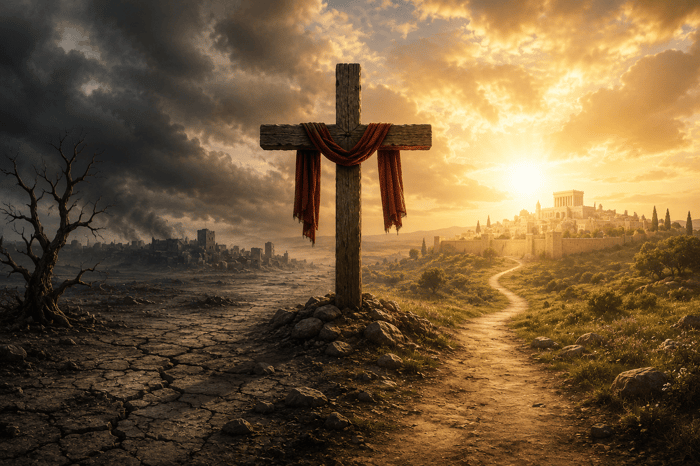
God's greatest display of love is not found in the absence of the Fall. It is found at the cross.
But God commends his own love toward us, in that while we were yet sinners, Christ died for us.
Romans 5:8 (WEB)
God loved sinners who had rejected Him. He gave His Son so that those who trust in Jesus would not remain under condemnation.
Why did God allow the Fall? We cannot know every part of God's eternal wisdom, but we can know that He did not stand far away from the suffering caused by sin.
The Son of God entered the fallen world. He experienced hunger, sorrow, rejection, pain, and death. He then rose in victory.
Will God Ever Reverse the Effects of the Fall?
Yes. God's plan of redemption does more than forgive individual sinners. He will also renew creation.
Death, pain, sorrow, and the curse will not last forever. Jesus will return, raise His people, judge evil, and make all things new.
He will wipe away from them every tear from their eyes. Death will be no more; neither will there be mourning, nor crying, nor pain, any more. The first things have passed away.
Revelation 21:4 (WEB)
The Bible begins with humanity losing access to the tree of life. It ends with God's redeemed people living in His presence, with the tree of life available again.
God's final answer to the Fall is not only a return to Eden. It is a restored creation ruled by Jesus Christ, where sin and death will never enter again.
How Should We Respond to the Fall?
The Fall explained why every person needs more than advice, education, or self-improvement. We need salvation.
We are not guilty of eating Adam's fruit, but we share his fallen nature and commit our own sins. We need Christ's righteousness, forgiveness, and new life.
Once we understand why did God allow the Fall, the right response is to turn from sin and trust in Jesus Christ. Salvation is a gift of grace, received through faith.
Believers should also learn from Adam and Eve's failure. We must trust God's Word when temptation questions His goodness.
We may not understand every reason behind God's commands. Yet His character gives us reason to obey Him. He is wise, holy, loving, and true.
Trusting God When We Do Not Know Every Answer
The question why did God allow the Fall touches truths that are deeper than the human mind can fully explore.
Scripture gives real answers, but it does not reveal every detail of God's eternal counsel. We should speak with confidence where the Bible speaks and with humility where it does not.
We know God did not create evil. We know Adam and Eve chose to sin. We know the Fall brought death and suffering. We also know God planned salvation through Jesus Christ.
The cross proves that God's answer to evil is not cold or distant. He entered our broken world and paid the price required to rescue us.
The Fall reveals the seriousness of sin. Redemption reveals the greatness of God's grace. Through Jesus, guilty sinners can be forgiven, adopted into God's family, and given eternal life.
FAQs
Why did God allow the Fall if He knew Adam and Eve would sin?
God knew Adam and Eve would choose to disobey Him, but He did not force them to sin. He created them with the ability to obey or rebel, making their love and obedience meaningful. Even before creation, God had planned to redeem sinners through Jesus Christ, demonstrating both His justice and His mercy.
He was foreknown indeed before the foundation of the world, but was revealed in this last age for your sake.
1 Peter 1:20 (WEB)
Did God cause Adam and Eve to sin?
No. The Bible teaches that God is perfectly holy and never tempts anyone to do evil. Adam and Eve were responsible for their own decision to disobey God's command after listening to the serpent's deception.
Let no man say when he is tempted, "I am tempted by God," for God can't be tempted by evil, and he himself tempts no one.
James 1:13 (WEB)
Why didn't God stop Adam and Eve before they sinned?
God could have prevented their choice, but He allowed them to exercise genuine moral responsibility. Their decision brought real consequences, yet God remained sovereign and used even humanity's rebellion to accomplish His greater plan of redemption through Christ.
We know that all things work together for good for those who love God, to those who are called according to his purpose.
Romans 8:28 (WEB)
What happened because of the Fall?
The Fall brought sin, death, suffering, and separation from God into the world. Human nature became corrupted, creation was placed under the curse, and every person born after Adam inherited a fallen condition.
Therefore as sin entered into the world through one man, and death through sin; and so death passed to all men, because all sinned.
Romans 5:12 (WEB)
Why did God allow the Fall if His plan was to save us?
God allowed the Fall so His justice, holiness, mercy, grace, and love would be fully revealed through Jesus Christ. While sin is never good, God used humanity's rebellion as the backdrop for His greatest display of love at the cross.
But God commends his own love toward us, in that while we were yet sinners, Christ died for us.
Romans 5:8 (WEB)
How does why did God allow the Fall point us to salvation?
The question why did God allow the Fall ultimately leads us to the Gospel. The Fall explains why every person is a sinner separated from God and unable to save themselves. Jesus Christ came as the perfect Savior, living the life Adam failed to live and dying in our place to bear God's judgment against sin. Through His death and resurrection, everyone who repents and trusts in Him receives forgiveness, reconciliation with God, and eternal life.
For Christ also suffered for sins once, the righteous for the unrighteous, that he might bring you to God; being put to death in the flesh, but made alive in the Spirit.
1 Peter 3:18 (WEB)
Will God completely reverse the effects of the Fall?
Yes. When Jesus returns, He will remove sin, death, sorrow, and the curse forever. God's redeemed people will live with Him in a restored creation where righteousness dwells.
He will wipe away from them every tear from their eyes. Death will be no more; neither will there be mourning, nor crying, nor pain, any more. The first things have passed away.
Revelation 21:4 (WEB)