
Table of Contents
Jehovah Names help us see how God reveals His character through Scripture. These names are not random labels. They show who the Lord is, how He relates to His people, and why His covenant faithfulness matters.
Each name points to a specific truth about God. He provides. He heals. He sanctifies. He gives peace. He is present. He is righteous. He rules over heavenly armies. He shepherds His people with care.
These names also help readers move from knowing facts about God to trusting Him in real life. When Scripture reveals the Lord by name, it invites us to worship, trust, obey, and rest in Him.
The Lord is my shepherd; I shall not want.
Psalm 23:1 (ESV)
What the Bible Teaches About Jehovah Names
The Jehovah Names show that God makes Himself known. He is not distant or hidden from those who seek Him through His Word.
In the Old Testament, many of these names appear in moments of need. God reveals Himself as Provider when Abraham faces a test. He reveals Himself as Healer after Israel comes out of Egypt. He reveals Himself as Peace when Gideon is afraid. He reveals Himself as Righteousness when His people need hope beyond their own failure.
These names are not separate gods or separate parts of God. They reveal the one true Lord from different angles.
| Name | Meaning | Main Emphasis |
|---|---|---|
| Jehovah Jireh | The Lord Will Provide | God's provision |
| Jehovah Rapha | The Lord Who Heals | God's healing |
| Jehovah Nissi | The Lord Is My Banner | God's victory |
| Jehovah Shalom | The Lord Is Peace | God's peace |
| Jehovah Rohi / Raah | The Lord Is My Shepherd | God's care |
| Jehovah Sabaoth | The Lord of Hosts | God's power |
| Jehovah Shammah | The Lord Is There | God's presence |
| Jehovah Tsidkenu | The Lord Our Righteousness | God's righteousness |
| Jehovah Mekoddishkem | The Lord Who Sanctifies | God's holiness in His people |
Together, these names form a rich picture of God's covenant care.
Start Here: God's Provision, Healing, and Peace
These Jehovah Names are often the easiest starting point because they connect with common human needs. People need provision, healing, peace, and help when life feels uncertain.
God's Care in Daily Need
Start with these articles if you want to understand how the Lord meets His people in weakness, fear, and need.
- Jehovah Jireh Meaning: The Lord Will Provide Explained
- Jehovah Rapha Meaning: The Lord Who Heals Explained
- Jehovah Shalom Meaning: The Lord Is Peace Explained
Jehovah Jireh shows that God provides what His people truly need. This name is rooted in Abraham's test of faith and points forward to God's greater provision in Christ.
Jehovah Rapha reveals the Lord as the One who heals. This does not mean every pain ends at once, but it does show that God is the source of true restoration.
Jehovah Shalom teaches that peace is more than calm feelings. Biblical peace comes from God's presence, rule, and saving work.
These articles are helpful for readers who are asking, "Can I trust God with what I need?"
God's Guidance, Protection, and Victory
The next group focuses on God's leadership. The Lord does not only meet needs. He leads His people, guards them, and fights for them.
The Lord Who Leads and Defends His People
These names help readers see that God's people are not left to face life alone.
- Jehovah Nissi Meaning: The Lord Is My Banner Explained
- Jehovah Rohi Meaning (Jehovah Raah): The Lord Is My Shepherd
- Jehovah Sabaoth Meaning: The Lord of Hosts Explained
Jehovah Nissi means the Lord is my Banner. This name shows God's victory and protection over His people.
Jehovah Rohi, also written Jehovah Raah, means the Lord is my Shepherd. This article is important because both spellings refer to the same biblical truth from Psalm 23.
Jehovah Sabaoth means the Lord of Hosts. This name reveals God's power, authority, and rule over the armies of heaven.
These articles answer questions like:
- Who leads God's people?
- Who protects believers in spiritual battles?
- Who gives courage when the enemy feels strong?
- Who shepherds the weak and wandering?
This group keeps the focus on God's active care and rule.
God's Presence, Righteousness, and Sanctifying Work
The final group moves deeper into God's saving and transforming work. These names show that the Lord is not only near to comfort His people. He also makes them righteous, holy, and set apart for Himself.
The Lord Who Saves and Changes His People
These articles are especially important for connecting the names of God to the Gospel and Christian growth.
- Jehovah Shammah Meaning: The Lord Is There Explained
- Jehovah Tsidkenu Meaning: The Lord Our Righteousness Explained
- Jehovah Mekoddishkem Meaning: The Lord Who Sanctifies Explained
Jehovah Shammah means the Lord is there. This name points to God's faithful presence with His people.
Jehovah Tsidkenu means the Lord our Righteousness. This name shows that sinners need a righteousness they cannot produce on their own.
Jehovah Mekoddishkem means the Lord who sanctifies. It teaches that God not only saves His people but also sets them apart and makes them holy.
These names move from comfort to transformation. God is present with His people, but He also changes them.
That makes this group a strong ending point for readers who want deeper biblical understanding.
Why These Names Matter for Knowing God
The Jehovah Names matter because they help us know God's character through Scripture.
They show that God is:
- personal, not distant
- faithful, not changing
- holy, not common
- merciful, not careless
- powerful, not weak
- righteous, not unjust
- present, not absent
Each name gives readers a window into who God is.
These names also guard us from shallow ideas about God. We may be tempted to define God by our feelings, needs, or fears. Scripture teaches us to know Him by what He has revealed.
When we read these names in context, we see that God meets His people in real moments. Abraham needed provision. Israel needed healing. Gideon needed peace. God's people needed righteousness, presence, and sanctification.
The Lord revealed Himself in those moments, and those truths still matter today.
How to Read Through These Articles
A reader can move through these articles in more than one way.
| Reader Question | Best Starting Point |
|---|---|
| Does God provide for His people? | Jehovah Jireh |
| Does God heal and restore? | Jehovah Rapha |
| Can God give peace in fear? | Jehovah Shalom |
| Does God fight for His people? | Jehovah Nissi |
| Does God guide His people? | Jehovah Rohi |
| Is God powerful over all armies? | Jehovah Sabaoth |
| Is God present with His people? | Jehovah Shammah |
| How can sinners be righteous? | Jehovah Tsidkenu |
| How does God make His people holy? | Jehovah Mekoddishkem |
For beginners, start with Jehovah Jireh, Jehovah Rapha, and Jehovah Shalom. These names are clear and practical.
For readers who want to grow deeper, continue with Jehovah Rohi, Jehovah Nissi, and Jehovah Sabaoth.
For the strongest Gospel and discipleship connections, end with Jehovah Tsidkenu, Jehovah Mekoddishkem, and Jehovah Shammah.
How Jehovah Names Point to Jesus Christ
The Jehovah Names find their fullest hope in Jesus Christ.
God provides salvation through His Son. Jesus is the Good Shepherd who lays down His life for the sheep. He is the One who brings peace through the cross. He is the righteous Savior who makes sinners right with God. He sanctifies His people and promises His presence with them.
This does not erase the Old Testament meaning of these names. It helps us see the full beauty of God's plan.
The Lord who revealed Himself to Israel is the same faithful God who saves through Christ.
That is why these names are not only interesting word studies. They lead us to worship. They show why we can trust God with our needs, fears, sin, future, and growth.
FAQs
What are the Jehovah Names in the Bible?
The Jehovah Names are names in the Old Testament that reveal different aspects of God’s character and His relationship with His people. These names combine God’s covenant name with words that describe His work, such as providing, healing, or leading.
“God said to Moses, ‘I AM WHO I AM,’ and he said, ‘You shall tell the children of Israel this: I AM has sent me to you.’”
— Exodus 3:14
“This is my name forever, and this is my memorial to all generations.”
— Exodus 3:15
These names do not describe different gods. They reveal the one true God more fully.
Why are the Jehovah Names important?
The Jehovah Names help believers understand who God is. Each name highlights a part of His character and shows how He cares for His people.
“Those who know your name will put their trust in you, for you, Yahweh, have not forsaken those who seek you.”
— Psalm 9:10
“Know therefore that Yahweh your God, he is God, the faithful God, who keeps covenant and loving kindness with those who love him and keep his commandments.”
— Deuteronomy 7:9
These names strengthen faith because they show that God is faithful, personal, and active in the lives of His people.
What does Jehovah Jireh mean?
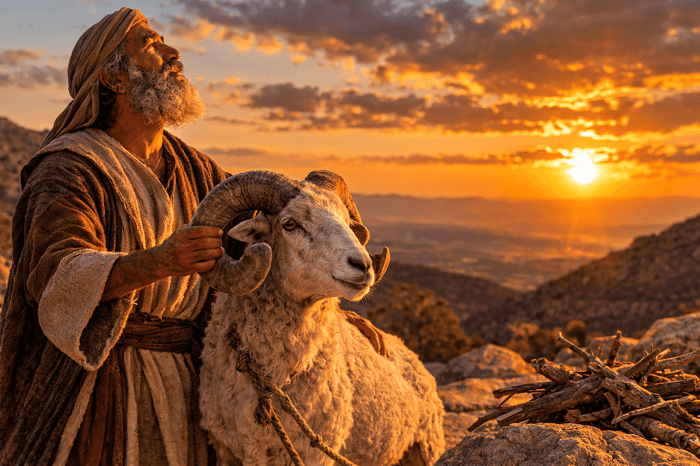
Jehovah Jireh means “The Lord Will Provide.” This name comes from the account of Abraham and Isaac, when God provided a ram in place of Isaac.
“Abraham called the name of that place ‘Yahweh Will Provide.’ As it is said to this day, ‘On Yahweh’s mountain it will be provided.’”
— Genesis 22:14
“My God will supply every need of yours according to his riches in glory in Christ Jesus.”
— Philippians 4:19
Jehovah Jireh reminds believers that God sees their needs and provides in His wisdom and timing.
You can learn more in:
What does Jehovah Rapha mean?
Jehovah Rapha means “The Lord Who Heals.” God revealed this name to Israel after the exodus when He healed the bitter waters at Marah.
“He said, ‘If you will diligently listen to Yahweh your God’s voice, and will do that which is right in his eyes, and will pay attention to his commandments, and keep all his statutes, I will put none of the diseases on you, which I have put on the Egyptians; for I am Yahweh who heals you.’”
— Exodus 15:26
“He heals the broken in heart, and binds up their wounds.”
— Psalm 147:3
This name shows that God restores both physical and spiritual brokenness according to His will.
You can learn more in:
Do the Jehovah Names refer to different gods?
No. The Jehovah Names reveal different attributes of the same God. Scripture teaches that there is only one true God.
“Hear, Israel: Yahweh is our God. Yahweh is one.”
— Deuteronomy 6:4
“I am Yahweh, and there is no one else. Besides me, there is no God.”
— Isaiah 45:5
These names show different ways the one true God reveals Himself and works among His people.
Are the Jehovah Names still important for believers today?
Yes. The Jehovah Names still matter because God’s character does not change. What these names reveal about Him in the Old Testament remains true.
“Jesus Christ is the same yesterday, today, and forever.”
— Hebrews 13:8
“Every good gift and every perfect gift is from above, coming down from the Father of lights, with whom can be no variation, or turning shadow.”
— James 1:17
Believers today can trust that God still provides, heals, leads, and remains faithful.
How do the Jehovah Names connect to the gospel?
The names of God point to His character, and the gospel reveals that character most fully in Jesus Christ. God’s provision, healing, and covenant faithfulness all lead toward His saving work. The larger message of Scripture is that God created humanity, sin brought separation, and God provided restoration through His Son Jesus Christ.
“For God so loved the world, that he gave his one and only Son, that whoever believes in him should not perish, but have eternal life.”
— John 3:16
“Behold, I stand at the door and knock. If anyone hears my voice and opens the door, then I will come in to him, and will dine with him, and he with me.”
— Revelation 3:20
How should believers respond to what the Jehovah Names reveal?
Believers should respond with trust, worship, and obedience. God’s names are not only meant to inform the mind. They are meant to lead His people to faith.
“Trust in Yahweh with all your heart, and don’t lean on your own understanding. In all your ways acknowledge him, and he will make your paths straight.”
— Proverbs 3:5–6
“Our help is in the name of Yahweh, who made heaven and earth.”
— Psalm 124:8
When believers understand God’s names, they grow in confidence that He is worthy of trust in every season.