Table of Contents
- God the Father vs God the Son: The Basic Difference
- The Father and Son Are Distinct Persons
- Both the Father and Son Are Fully God
- A Simple God the Father vs God the Son Comparison
- Why Is the Son Called the Son?
- Is the Father Greater Than the Son?
- How Do the Father and Son Work Together?
- What Did Jesus Mean by "I and the Father Are One"?
- How Does the Son Reveal the Father?
- Why Does the Difference Matter for Salvation?
- Does Jesus Deserve the Same Honor as the Father?
- How Should Christians Respond?
- Understanding the Father and Son Clearly
- FAQs
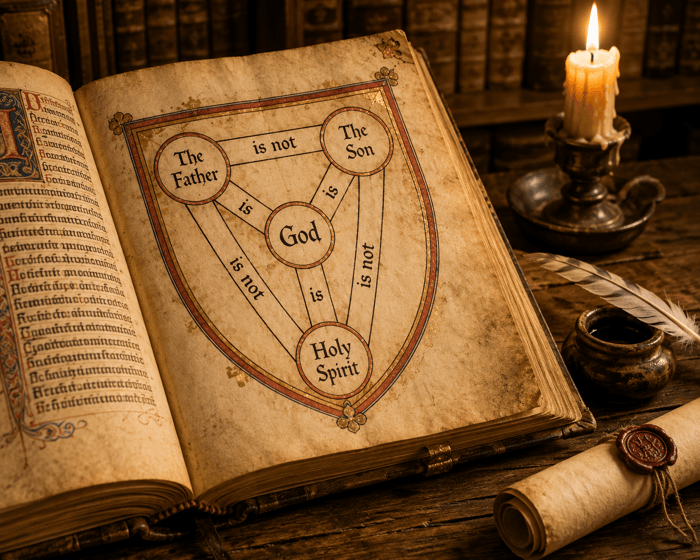
God the Father vs God the Son is a comparison many Christians want to understand. The Bible teaches that the Father is God and the Son is God, yet the Father is not the Son. They are distinct Persons who share the one divine nature.
This truth can sound difficult at first. Scripture does not teach that Christians worship two gods. It teaches one God who exists eternally as Father, Son, and Holy Spirit.
The goal of this article is not to explain every part of the Trinity. It is to compare the Father and Son, show how they relate to one another, and explain why both are fully God.
God the Father vs God the Son: The Basic Difference
The main difference between Father and Son is not that one is more divine than the other. Both possess the fullness of God's nature. The difference is who they are as Persons and how they relate to one another.
Understanding God the Father vs God the Son begins with their personal relationship. The Father is the Father. The Son is the eternal Son. The Father sends the Son, and the Son willingly comes to carry out the Father's saving plan.
John 3:16 (WEB)
For God so loved the world, that he gave his one and only Son, that whoever believes in him should not perish, but have eternal life.
This verse shows both unity and distinction. The Father loves and gives. The Son is given for the salvation of the world.
The Father did not become the Son, and the Son did not become the Father. They act together in perfect love and agreement.
The Father and Son Are Distinct Persons
The question of God the Father vs God the Son cannot be answered by saying they are two names for the same Person. The Bible often places the Father and Son together in the same event.
At Jesus' baptism, the Son stood in the water while the Father spoke from heaven. The Holy Spirit also descended like a dove.
Matthew 3:16-17 (WEB)
Jesus, when he was baptized, went up directly from the water: and behold, the heavens were opened to him. He saw the Spirit of God descending as a dove, and coming on him.
Behold, a voice out of the heavens said, "This is my beloved Son, with whom I am well pleased."
The Father speaks about the Son. The Son receives the Father's approval. This scene cannot be explained by saying that Jesus was speaking to Himself from heaven.
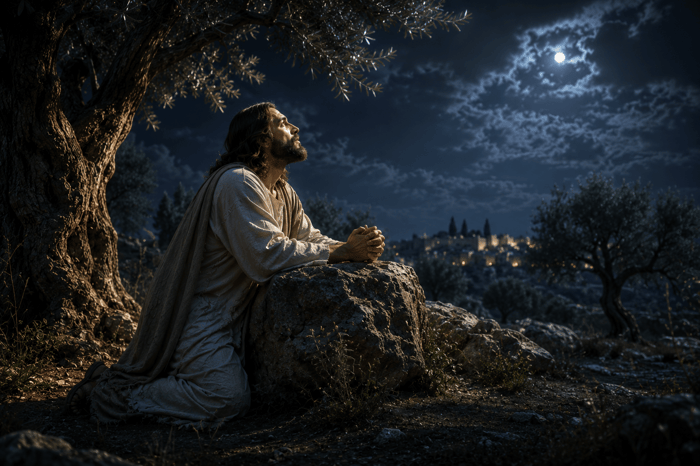
The Father and Son also speak to one another. Jesus prayed to the Father before His crucifixion. His prayers reveal a true relationship between two divine Persons.
John 17:1 (WEB)
Jesus said these things, and lifting up his eyes to heaven, he said, "Father, the time has come. Glorify your Son, that your Son may also glorify you."
The Father and Son are distinct, yet they share one purpose and one glory.
Both the Father and Son Are Fully God
Any biblical comparison of God the Father vs God the Son must begin with the truth that both are fully God. The Bible calls the Father God. It also teaches that the Son is God.
Jesus did not begin to exist when He was born in Bethlehem. The eternal Son existed with the Father before creation and took on human nature.
John 1:1 (WEB)
In the beginning was the Word, and the Word was with God, and the Word was God.
The Word was "with God," showing distinction. The Word "was God," showing full deity.
John later explains that the eternal Word became flesh.
John 1:14 (WEB)
The Word became flesh, and lived among us. We saw his glory, glory as of the one and only Son of the Father, full of grace and truth.
The Son did not stop being God when He became human. He became truly human while remaining truly divine.
The writer of Hebrews also describes the Son as the perfect revelation of God's nature.
Hebrews 1:3 (WEB)
His Son is the radiance of his glory, the very image of his substance, and upholding all things by the word of his power, when he had by himself purified us from our sins, sat down on the right hand of the Majesty on high.
Jesus is not a lesser copy of God. He perfectly reveals the Father's nature because He shares the divine nature.
A Simple God the Father vs God the Son Comparison
The following God the Father vs God the Son table shows key similarities and differences without separating them into two gods.
| Question | God the Father | God the Son |
|---|---|---|
| Is He God? | Yes, fully God | Yes, fully God |
| Is He the same Person as the other? | No, He is the Father | No, He is the Son |
| Did He become human? | No | Yes, the Son became flesh |
| Role in salvation | Planned and sent | Came, died, and rose |
| Relationship | Loves the Son | Loves and obeys the Father |
| Divine nature | One with the Son | One with the Father |
| Worthy of worship | Yes | Yes |
This comparison does not mean the Father and Son have different kinds of divinity. They share the same eternal divine nature.
The difference is personal, not essential. The Father is not the Son, but both are equally and eternally God.
Why Is the Son Called the Son?
The God the Father vs God the Son question often leads people to wonder whether the Son came into existence after the Father. Calling Jesus the Son does not mean He was created.
In human families, a son begins life after his father. That human pattern does not define the eternal relationship within God.
The Son has always been the Son. His sonship describes His eternal relationship with the Father, not a beginning in time.
Jesus spoke of the glory He shared with the Father before the world existed.
John 17:5 (WEB)
Now, Father, glorify me with your own self with the glory which I had with you before the world existed.
The Son's birth in Bethlehem was the beginning of His human life, not the beginning of His divine existence.
This is why Christians speak of the eternal Son. He did not become God's Son at His birth. He entered the world as the Son who had always been with the Father.
Is the Father Greater Than the Son?
Discussions about God the Father vs God the Son often include Jesus' statement, "The Father is greater than I," in John 14:28. Some people understand this to mean Jesus is less divine than the Father.
The wider teaching of Scripture shows a different meaning. The Son willingly humbled Himself when He became human. He took the role of a servant and submitted to the Father's will.
Philippians 2:6-8 (WEB)
Who, existing in the form of God, didn't consider equality with God a thing to be grasped, but emptied himself, taking the form of a servant, being made in the likeness of men.
And being found in human form, he humbled himself, becoming obedient to death, yes, the death of the cross.
Jesus was equal with God in nature, yet He accepted a humble role in His earthly mission. His obedience did not make Him less divine.
A king can choose to serve without losing his royal identity. In a greater way, the Son humbled Himself without giving up His deity.
The Father and Son differ in role during the work of salvation, but they are equal in divine nature and glory.
How Do the Father and Son Work Together?
God the Father vs God the Son is not a contest between two divine rivals. The Father and Son never compete. They act in perfect unity.
Jesus explained that He did what He saw the Father doing. This did not show weakness. It revealed the complete agreement between them.
John 5:19 (WEB)
Jesus therefore answered them, "Most certainly, I tell you, the Son can do nothing of himself, but what he sees the Father doing. For whatever things he does, these the Son also does likewise."
The Son does what the Father does because they share one will and one divine work. No created being could truthfully say that he does everything God does.
The Father sends the Son. The Son reveals the Father. The Son dies and rises according to the Father's saving purpose. The Father exalts the Son, and the Son brings people to the Father.
Their work is distinct but never divided.
What Did Jesus Mean by "I and the Father Are One"?
The unity of God the Father vs God the Son is expressed in one of Jesus' clearest statements.
John 10:30 (WEB)
I and the Father are one.
Jesus did not say, "I am the Father." He said that He and the Father are one.
They are distinct Persons, yet one in divine nature, power, purpose, and action. The people who heard Jesus understood that He was making a claim connected to deity.
The unity of the Father and Son is deeper than agreement between two human beings. It is the unity of the one God.
At the same time, this verse should not erase their personal distinction. The Father remains the Father, and the Son remains the Son.
How Does the Son Reveal the Father?
Understanding God the Father vs God the Son also helps explain why Jesus said that seeing Him was seeing the Father. No human being can see the invisible God in His full glory, but the Son makes the Father known.
Jesus did not mean that He was the same Person as the Father. He meant that He perfectly revealed the Father's character and nature.
John 14:9-10 (WEB)
Jesus said to him, "Have I been with you such a long time, and do you not know me, Philip? He who has seen me has seen the Father. How do you say, 'Show us the Father?'
Don't you believe that I am in the Father, and the Father in me? The words that I tell you, I speak not from myself; but the Father who lives in me does his works."
Jesus shows us what the Father is like. His holiness, compassion, truth, authority, and mercy reveal the heart of God.
To know the Son is to know the Father He reveals. No one can honor the Father while rejecting the Son whom the Father sent.
Why Does the Difference Matter for Salvation?
God the Father vs God the Son is more than a theological comparison. The distinction between Father and Son is central to the gospel.
The Father sends, and the Son comes. The Father gives His Son, and the Son gives His life.
Sin has separated people from God. We cannot repair that separation through good works. The eternal Son became human so He could live without sin, die for sinners, and rise from the dead.
The Father accepted the Son's sacrifice and raised Him from the dead. Through faith in Christ, sinners are forgiven and brought into fellowship with the Father.
1 Corinthians 8:6 (WEB)
Yet to us there is one God, the Father, of whom are all things, and we for him; and one Lord, Jesus Christ, through whom are all things, and we live through him.
Salvation is the united work of the one God. It is not a disagreement between an angry Father and a loving Son. The Father loves the world and sends the Son. The Son loves the Father and willingly gives Himself.
Those who repent of sin and trust in Jesus receive eternal life. Through the Son, they are forgiven and come to know God as Father.
Does Jesus Deserve the Same Honor as the Father?
A proper understanding of God the Father vs God the Son includes the honor given to each. Jesus taught that the Son must receive the same honor as the Father.
John 5:22-23 (WEB)
For the Father judges no one, but he has given all judgment to the Son, that all may honor the Son, even as they honor the Father.
He who doesn't honor the Son doesn't honor the Father who sent him.
Christians do not dishonor the Father by worshiping Jesus. The Father wills that the Son be honored.
Rejecting the Son is not a way to remain faithful to the Father. Jesus said that a person who refuses to honor the Son also refuses to honor the Father who sent Him.
The Father and Son are both worthy of worship because both share the one divine nature.
How Should Christians Respond?
The truth about God the Father vs God the Son should lead to worship, trust, and obedience. It is not only information to study. It shapes how Christians pray, worship, and understand salvation.
Christians should:
- Worship the Father through the Son.
- Honor the Son as they honor the Father.
- Trust the Father's saving plan.
- Follow the Son's example of loving obedience.
- Pray to the Father in Jesus' name.
- Reject teachings that make Jesus a created being.
- Avoid confusing the Father and Son as one Person.
The Father and Son are not rivals. They are eternally united in love, glory, and purpose.
Understanding the Father and Son Clearly
The biblical answer to God the Father vs God the Son holds two truths together. The Father and Son are distinct Persons, yet they are not separate gods.
The Father is not the Son, and the Son is not the Father. The Father sends the Son, and the Son reveals and obeys the Father. Yet both are fully and eternally God.
When believers look to Jesus, they see the perfect revelation of the Father. Through the Son, they are forgiven, welcomed, and brought into fellowship with the one true God.
FAQs
Is God the Father the same Person as God the Son?
No. The Bible teaches that the Father and the Son are distinct Persons, yet both are fully God. The Father sends the Son, the Son obeys the Father, and they speak to one another while sharing the same divine nature.
John 17:1 (WEB)
Jesus said these things, and lifting up his eyes to heaven, he said, "Father, the time has come. Glorify your Son, that your Son may also glorify you."
Is Jesus less than the Father?
No. Jesus willingly humbled Himself by becoming human and serving the Father's will during His earthly ministry, but He never stopped being fully God. His submission reflects His role in salvation, not an inferior divine nature.
Philippians 2:6-8 (WEB)
Who, existing in the form of God, didn't consider equality with God a thing to be grasped, but emptied himself, taking the form of a servant, being made in the likeness of men.
And being found in human form, he humbled himself, becoming obedient to death, yes, the death of the cross.
Why is Jesus called the Son of God?
Jesus is called the Son because of His eternal relationship with the Father, not because He was created. The Son has always existed with the Father and shares the same divine nature.
John 17:5 (WEB)
Now, Father, glorify me with your own self with the glory which I had with you before the world existed.
If Jesus is God, why did He pray to the Father?
Jesus prayed to the Father because they are distinct Persons within the Trinity. His prayers reveal their loving relationship and demonstrate His perfect obedience during His earthly ministry.
Luke 22:41-42 (WEB)
He was withdrawn from them about a stone's throw, and he knelt down and prayed, saying, "Father, if you are willing, remove this cup from me. Nevertheless, not my will, but yours, be done."
What did Jesus mean when He said, "I and the Father are one"?
Jesus was not saying that He is the Father. He was declaring that He and the Father are one in divine nature, purpose, and authority while remaining distinct Persons.
John 10:30 (WEB)
I and the Father are one.
Why does understanding God the Father vs God the Son matter for salvation?
Understanding God the Father vs God the Son helps us see the beauty of the Gospel. The Father loved the world and sent His eternal Son to save sinners. Jesus willingly became human, lived a sinless life, died on the cross for our sins, and rose again so that everyone who repents and believes in Him can be forgiven and reconciled to the Father. Salvation is the united work of the Father and the Son, revealing God's perfect love and His plan to redeem humanity.
John 3:16-17 (WEB)
For God so loved the world, that he gave his one and only Son, that whoever believes in him should not perish, but have eternal life.
For God didn't send his Son into the world to judge the world, but that the world should be saved through him.
Should Christians worship both the Father and the Son?
Yes. Jesus taught that the Son deserves the same honor as the Father. Honoring Jesus glorifies the Father who sent Him because they share the same divine nature.
John 5:22-23 (WEB)
For the Father judges no one, but he has given all judgment to the Son, that all may honor the Son, even as they honor the Father.
He who doesn't honor the Son doesn't honor the Father who sent him.