.svg)
.png)




Blasphemy Against the Spirit: Understanding the Unforgivable Sin in Scripture
Blasphemy Against the Spirit is a serious warning Jesus gave when His opponents called God’s work evil. Understanding it begins with the Gospel setting and the accusation that prompted His words.
These studies help you read that warning in context, distinguish related questions, and consider God’s promise of forgiveness through Christ. If the subject has stirred fear, begin with the passage before drawing conclusions about yourself.
If we confess our sins, he is faithful and righteous to forgive us the sins and to cleanse us from all unrighteousness.
1 John 1:9 (WEB)
Understanding Blasphemy Against the Spirit in Context
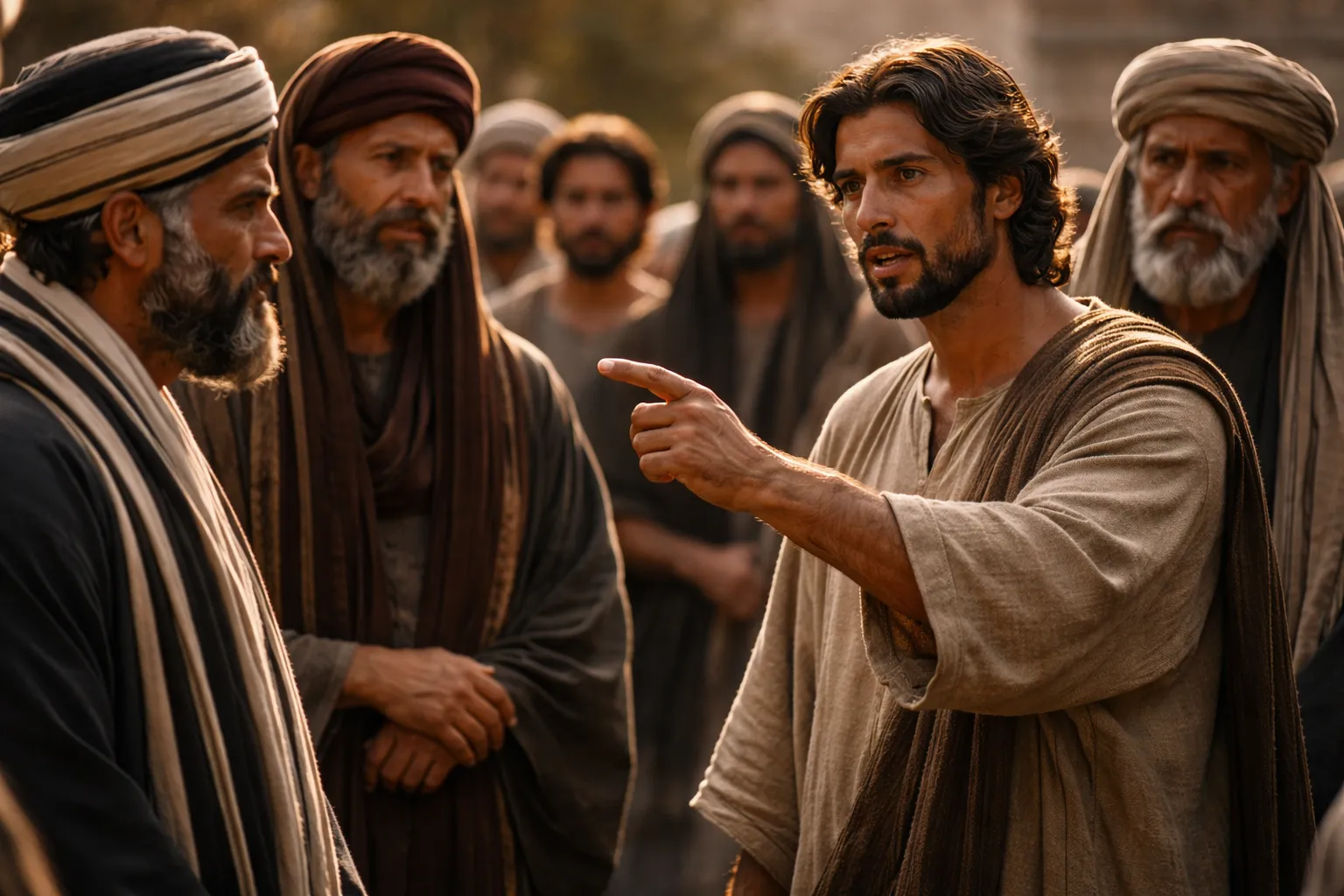
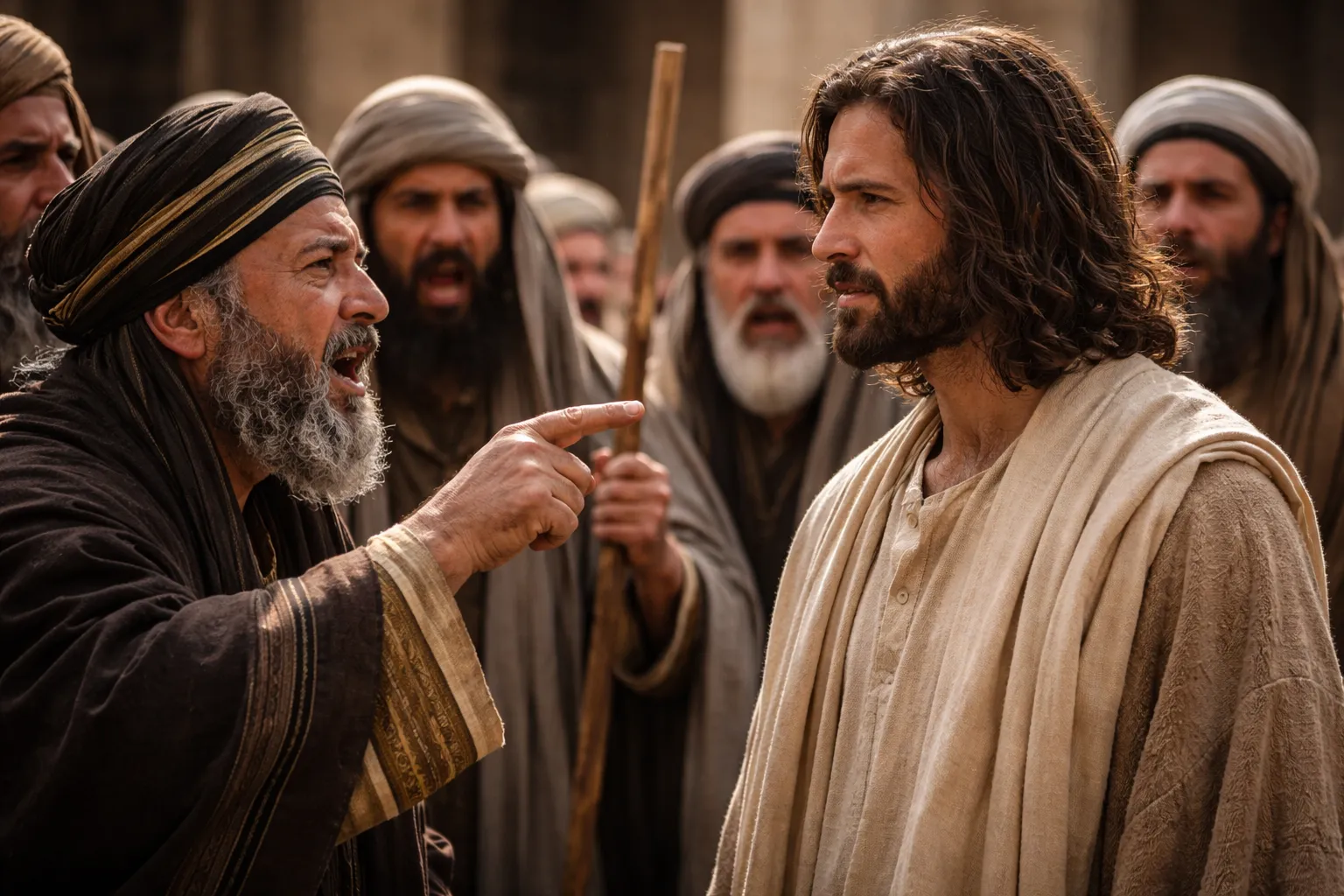
In Mark 3, Jesus’ opponents claimed that His power came from an unclean spirit. Mark connects their accusation with Jesus’ warning. That setting matters: it concerns a hardened response to God’s revealed work, rather than treating every doubt or unwanted thought as the same sin.
Christians differ on how some aspects of this warning apply today. These articles begin with the biblical passage, then address those questions. The call to repentance and faith remains central. Assurance rests on Jesus and His promises, rather than on how strong or weak your feelings are.
Choose Where to Begin
- What Is Blasphemy of the Holy Spirit? — Start with the warning’s meaning and biblical setting.
- Mark 3:29 Explained — Read Jesus’ words alongside the accusation that prompted them.
- Can You Commit the Unforgivable Sin Today? — Explore the questions Christians ask about its present application.
- Blasphemy of the Holy Spirit vs Rejecting Christ — Consider how related terms and warnings should be distinguished.
- Biblical Assurance About the Unforgivable Sin — Turn to Scripture’s promises when you fear you are beyond forgiveness.
The remaining articles examine why this subject causes fear and how it relates to apostasy.
FAQs
Blasphemy Against the Spirit refers to a deliberate and persistent rejection of the Holy Spirit’s testimony about Jesus Christ. In the Gospels, Jesus warned that this sin would not be forgiven because it involves knowingly attributing God’s work to evil.
Matthew 12:31–32 (WEB)
“Therefore I tell you, every sin and blasphemy will be forgiven people, but the blasphemy against the Spirit will not be forgiven. Whoever speaks a word against the Son of Man, it will be forgiven him; but whoever speaks against the Holy Spirit, it will not be forgiven him, neither in this age nor in that which is to come.”
This warning was given after religious leaders saw Jesus perform miracles but claimed His power came from Satan.
Blasphemy Against the Spirit is described as unforgivable because it involves rejecting the very work of the Spirit that leads people to repentance and faith.
John 16:8 (WEB)
“When he has come, he will convict the world about sin, about righteousness, and about judgment.”
If a person continually rejects the Spirit’s conviction and testimony about Christ, they refuse the only path that leads to forgiveness.
Many Christians believe that the warning still applies in principle today. The sin involves a hardened heart that continually rejects the truth about Jesus and refuses to acknowledge the work of the Holy Spirit.
The Bible repeatedly warns people not to resist God’s voice.
Hebrews 3:15 (WEB)
“Today if you will hear his voice, don’t harden your hearts.”
Persistent rejection of God’s truth can lead to a heart that no longer desires repentance.
People who worry about committing this sin usually have not committed it. The concern itself often shows a heart that still desires God and is sensitive to His truth.
Scripture promises forgiveness to those who confess their sins and turn to God.
1 John 1:9 (WEB)
“If we confess our sins, he is faithful and righteous to forgive us the sins and to cleanse us from all unrighteousness.”
Blasphemy Against the Spirit involves a hardened refusal to seek forgiveness, not a struggling believer who desires to repent.
The Holy Spirit reveals the truth about Jesus, convicts people of sin, and draws them toward faith in Christ.
John 15:26 (WEB)
“When the Counselor has come, whom I will send to you from the Father, the Spirit of truth who proceeds from the Father, he will testify about me.”
The Spirit’s work helps people understand the gospel and respond to God’s offer of salvation.
Jesus warned about this sin to reveal the danger of rejecting God’s truth when it is clearly revealed. The religious leaders who accused Him had witnessed undeniable evidence of God’s power but still refused to believe.
This warning calls people to respond to God with humility and faith rather than hardened unbelief.
Yes. The Bible repeatedly teaches that anyone who turns to God in faith can receive forgiveness through Jesus Christ.
Romans 10:13 (WEB)
“For whoever will call on the name of the Lord will be saved.”
God’s invitation to salvation remains open to those who repent and trust in Christ.
Respond to Christ’s Invitation
Begin with What Is Blasphemy of the Holy Spirit?, then read the Gospel passage it discusses. Pay attention to who is speaking, what happened, and why Jesus gave the warning.
If you desire forgiveness, turn to Jesus in repentance and faith. He died for sinners and rose again. His promise of mercy calls you to trust Him rather than measure your standing with God by fear.
Return to what the Bible teaches about the Holy Spirit to explore the other studies.