.svg)
.png)




Who Is God? Understanding the Nature, Character, and Authority of the Lord
Who Is God? The Bible answers this question by revealing the living Lord who created all things, rules with perfect authority, and makes Himself known. God is not an idea shaped by human wishes. He has shown His character through creation, Scripture, His works in history, and most clearly through Jesus Christ.
Knowing God begins with listening to what He has revealed about Himself. His holiness, love, justice, wisdom, faithfulness, and power belong together. As we learn who God is, we gain a stronger foundation for worship, prayer, salvation, and daily trust.
“Yahweh is great, and greatly to be praised! His greatness is unsearchable.”
Psalm 145:3 (WEB)
Explore Who God Is
This Pathway brings together the Bible’s central teaching about God’s nature, character, authority, names, and personal revelation. Each Topic opens a different part of the same biblical picture.
Begin with the Attributes of God to study qualities such as holiness, love, goodness, justice, wisdom, and faithfulness. Continue with God’s Sovereignty to understand His rule over creation and history. Names & Titles of God explains the biblical language that reveals His identity and works.
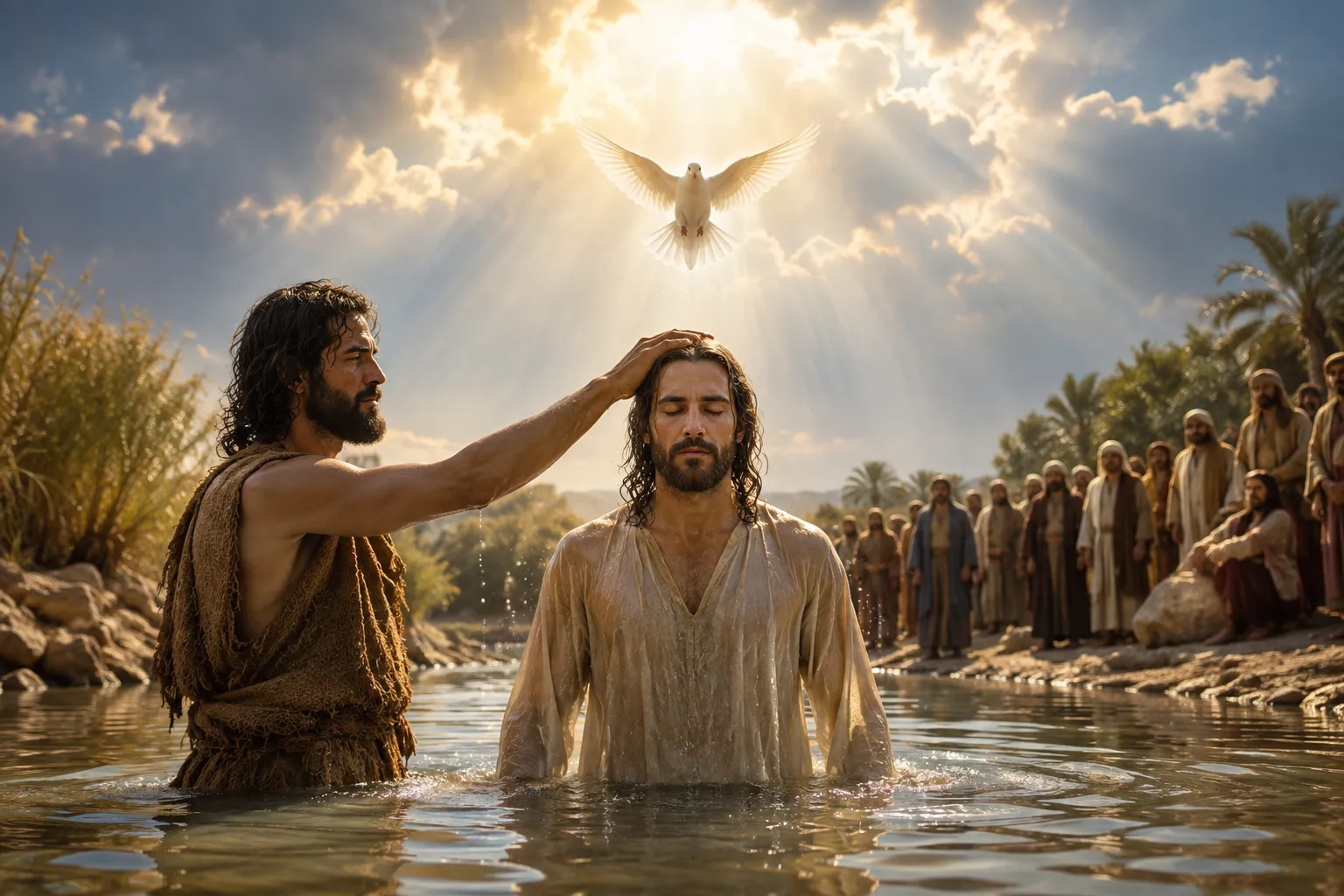
The Bible also reveals God through the Father, Son, and Holy Spirit. Jesus Christ examines the identity and authority of the Son. God the Father explores His character, love, care, and plan of redemption. Holy Spirit explains the person and work of the Spirit. The Trinity brings these truths together: there is one God who is revealed as Father, Son, and Holy Spirit.
These teachings should lead to more than facts. God calls people to know Him, trust Him, worship Him, and receive the salvation He provides through His Son.
“This is eternal life, that they should know you, the only true God, and him whom you sent, Jesus Christ.”
John 17:3 (WEB)
FAQs
The Bible presents God as the living God who created all things, rules over all things, and makes Himself known. Scripture reveals His character, authority, names, and His self-revelation as Father, Son, and Holy Spirit. Learning Who Is God begins with receiving what God has revealed about Himself rather than creating our own ideas about Him.
“Yahweh is great, and greatly to be praised! His greatness is unsearchable.”
Psalm 145:3 (WEB)
God's attributes reveal His nature and character. Scripture shows Him as holy, loving, just, wise, faithful, powerful, and good. These qualities belong together, so we should not define God by only one attribute while ignoring the others.
“Yahweh is gracious, merciful, slow to anger, and of great loving kindness.”
Psalm 145:8 (WEB)
God's sovereignty shows that He is the supreme ruler over everything He has made. His authority extends over creation and history. This truth helps believers understand that God is not weak, passive, or controlled by forces outside Himself, which gives them reason to trust Him when life feels uncertain.
“Yahweh has established his throne in the heavens. His kingdom rules over all.”
Psalm 103:19 (WEB)
God's names and titles help reveal His identity, character, authority, and relationships. They do not describe different versions of God. Instead, they show different ways Scripture speaks about the one true God and help us use the Bible's own language as we seek to know Him.
“God said moreover to Moses, ‘You shall tell the children of Israel this, “Yahweh, the God of your fathers, the God of Abraham, the God of Isaac, and the God of Jacob, has sent me to you.” This is my name forever, and this is my memorial to all generations.’”
Exodus 3:15 (WEB)
Scripture reveals the Father, Son, and Holy Spirit as distinct persons while teaching that there is one God. The Father should not be confused with the Son or the Holy Spirit, yet Christians do not believe in three gods. The doctrine of the Trinity brings these biblical truths together.
“Go and make disciples of all nations, baptizing them in the name of the Father and of the Son and of the Holy Spirit.”
Matthew 28:19 (WEB)
Jesus Christ is central to how God has made Himself known. Scripture presents Jesus as the Son of God, the promised Messiah, Savior, and Lord. Understanding His identity, authority, and relationship with the Father is therefore an important part of answering Who Is God.
“Jesus said to him, ‘Have I been with you such a long time, and do you not know me, Philip? He who has seen me has seen the Father. How do you say, “Show us the Father?”’”
John 14:9 (WEB)
Who Is God matters for the Gospel because we cannot understand salvation without knowing the God who saves. Humanity needs a restored relationship with God, and Jesus Christ is central to how God brings sinners back to Himself. Knowing God is therefore more than collecting facts about Him. The Gospel calls us to believe in the Son whom the Father sent so that we may receive eternal life.
“For God so loved the world, that he gave his one and only Son, that whoever believes in him should not perish, but have eternal life.”
John 3:16 (WEB)
Knowing God should shape worship, trust, obedience, prayer, and daily life. Biblical knowledge is not meant to remain a collection of facts. As we understand God as He has revealed Himself, we should respond by trusting Him and walking with Him.
“This is eternal life, that they should know you, the only true God, and him whom you sent, Jesus Christ.”
John 17:3 (WEB)
Choose Your Next Topic
Select the question that best matches what you want to understand next. You can begin with God’s character and sovereignty or explore the Father, Son, Holy Spirit, and Trinity. Each Topic leads to focused Studies and Bible-based Articles that develop the subject step by step.