
Table of Contents
- Why Yahweh in the Old Testament Matters
- Yahweh Reveals His Covenant Faithfulness
- Yahweh Is Holy and Set Apart
- Yahweh Is Merciful and Gracious
- Yahweh Saves His People
- Yahweh Judges with Righteousness
- Yahweh Is Near to His People
- What Yahweh Teaches Us About God's Character
- Yahweh Points Us to Jesus Christ
- Living in Light of Yahweh's Name
- FAQs
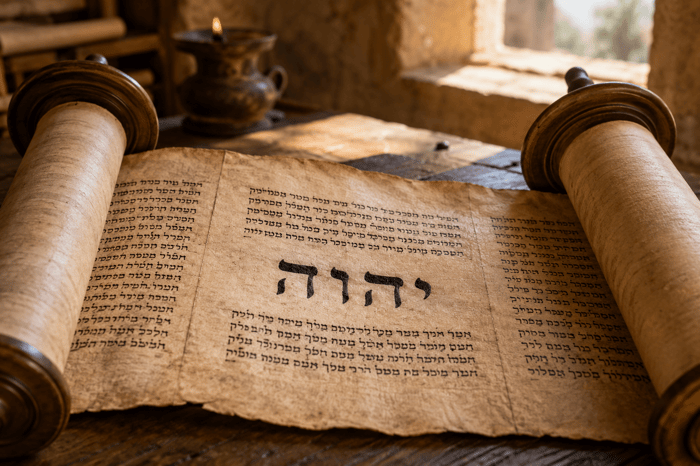
Yahweh in the Old Testament is not just a name God uses. It is the personal name by which He reveals His holy, faithful, and covenant-keeping character to His people.
From Genesis to Malachi, Yahweh in the Old Testament shows God as the One who creates, speaks, saves, judges, forgives, and remains faithful. His name teaches us that God is not distant. He makes Himself known.
God said to Moses, "I AM WHO I AM," and he said, "You shall tell the children of Israel this: 'I AM has sent me to you.'"
Exodus 3:14 (WEB)
Why Yahweh in the Old Testament Matters
The name Yahweh is closely tied to God's self-revelation. When God spoke to Moses from the burning bush, He did more than give Moses a mission. He revealed His name.
Yahweh is connected to God's eternal being. He is not created. He does not depend on anyone. He simply is.
This matters because the God who sent Moses to Egypt was not a local idol or human-made god. He was the living God, the covenant God of Abraham, Isaac, and Jacob.
God said moreover to Moses, "You shall tell the children of Israel this, 'Yahweh, the God of your fathers, the God of Abraham, the God of Isaac, and the God of Jacob, has sent me to you.' This is my name forever, and this is my memorial to all generations."
Exodus 3:15 (WEB)
Yahweh in the Old Testament reminds us that God is personal. He speaks. He sees suffering. He keeps promises. He acts in history to rescue His people.
Yahweh Reveals His Covenant Faithfulness
One of the clearest truths about Yahweh in the Old Testament is His faithfulness. He makes promises, and He keeps them.
God made a covenant with Abraham. He promised land, descendants, and blessing. Many years passed before those promises began to unfold, but Yahweh did not forget.
I will establish my covenant between me and you and your offspring after you throughout their generations for an everlasting covenant, to be a God to you and to your offspring after you.
Genesis 17:7 (WEB)
When Israel groaned under slavery in Egypt, Yahweh remembered His covenant. This does not mean He had forgotten. It means He was ready to act on what He had promised.
God heard their groaning, and God remembered his covenant with Abraham, with Isaac, and with Jacob.
Exodus 2:24 (WEB)
The character of Yahweh is seen in His loyal love. He does not abandon His word. He does not break faith with His people.
| What Yahweh Reveals | What It Means |
|---|---|
| His name | God makes Himself known |
| His covenant | God keeps His promises |
| His rescue | God saves His people |
| His holiness | God is set apart from sin |
| His mercy | God forgives the repentant |
Yahweh Is Holy and Set Apart
Yahweh throughout Scripture is shown as holy. He is not like false gods. He is not shaped by human desire. He is pure, righteous, and set apart.
When Israel crossed the Red Sea, they sang about Yahweh's holiness.
Who is like you, Yahweh, among the gods? Who is like you, glorious in holiness, fearful in praises, doing wonders?
Exodus 15:11 (WEB)
God's holiness means He cannot be treated as common. His name is not empty sound. His presence is not casual. His commands are not suggestions.
This is why the Old Testament often connects Yahweh's name with reverence. To know His name is to honor who He is.
You shall not misuse the name of Yahweh your God, for Yahweh will not hold him guiltless who misuses his name.
Exodus 20:7 (WEB)
The names of God are never just labels. They reveal truth about God. Yahweh reveals the holy God who comes near, but never stops being holy.
Yahweh Is Merciful and Gracious
Yahweh in the Old Testament also reveals mercy. Some people think the Old Testament only shows judgment, but that misses the heart of God's self-revelation.
After Israel sinned with the golden calf, Yahweh revealed His character to Moses.
Yahweh passed by before him, and proclaimed, "Yahweh! Yahweh, a merciful and gracious God, slow to anger, and abundant in loving kindness and truth."
Exodus 34:6 (WEB)
This verse is one of the most important passages about the character of Yahweh. God describes Himself as merciful, gracious, patient, loving, and true.
He does not ignore sin, but He is not eager to destroy. He calls sinners to return to Him.
Let the wicked forsake his way, and the unrighteous man his thoughts. Let him return to Yahweh, and he will have mercy on him, to our God, for he will freely pardon.
Isaiah 55:7 (WEB)
This mercy points forward to the Gospel. Humanity sinned against God and could not restore the broken relationship by good works. Yet God provided the way of salvation through Jesus Christ.
Yahweh Saves His People
The name Yahweh is tied to salvation. He rescued Israel from Egypt, led them through the wilderness, and brought them toward the land He promised.
The Exodus shows that Yahweh is not weak. He is mighty to save.
Yahweh is my strength and song. He has become my salvation. This is my God, and I will praise him; my father's God, and I will exalt him.
Exodus 15:2 (WEB)
This rescue was real history, but it also points to a greater rescue. Israel needed freedom from slavery. All people need rescue from sin and death.
The Old Testament prepares us to see why Jesus came. The covenant God who saves in Exodus is the same God who brings salvation through Christ.
I, even I, am Yahweh; and besides me there is no savior.
Isaiah 43:11 (WEB)
Yahweh alone saves. That truth reaches its fullest light in Jesus, who came to save sinners and bring people back to God.
Yahweh Judges with Righteousness
Yahweh is merciful, but He is also just. His judgment is not cruel or random. He judges with truth.
The Old Testament shows Yahweh judging Egypt, Israel, and the nations. No person or kingdom is above Him.
He comes to judge the earth. He will judge the world with righteousness, and the peoples with his truth.
Psalm 96:13 (WEB)
This helps us understand why salvation is needed. Sin is not a small mistake before a holy God. It is rebellion against the Lord of all creation.
Yet Yahweh's justice is good news for the oppressed. Evil will not win forever. God sees what people do, and He will make all things right.
Yahweh Is Near to His People
Though Yahweh is holy and eternal, He is also near. He hears prayer. He comforts the broken. He leads His people.
David knew Yahweh as the Shepherd who cared for him.
Yahweh is my shepherd: I shall lack nothing.
Psalm 23:1 (WEB)
This simple line shows deep trust. Yahweh is not only King and Judge. He is Shepherd. He provides, guides, protects, and restores.
The Old Testament often shows this balance. Yahweh is high above all, yet near to those who trust Him.
Yahweh is near to those who have a broken heart, and saves those who have a crushed spirit.
Psalm 34:18 (WEB)
The covenant God is not cold. He draws near to the humble.
What Yahweh Teaches Us About God's Character
Yahweh in the Old Testament gives us a clear picture of who God is. His name reveals His nature, His ways, and His relationship with His people.
Here are key truths we learn:
- Yahweh is eternal and self-existent.
- Yahweh is holy and set apart.
- Yahweh keeps His covenant promises.
- Yahweh saves His people.
- Yahweh judges with righteousness.
- Yahweh shows mercy to the repentant.
- Yahweh is near to the brokenhearted.
- Yahweh alone is God.
These truths are not abstract ideas. They shape how we worship, trust, pray, repent, and live.
Yahweh Points Us to Jesus Christ
The Old Testament revelation of Yahweh prepares the way for Christ. The God who made Himself known to Israel is the God who brings salvation to the world.
Jesus did not come as a backup plan. He came as the fulfillment of God's saving purpose.
For God so loved the world, that he gave his one and only Son, that whoever believes in him should not perish, but have eternal life.
John 3:16 (WEB)
The name Yahweh teaches us that God is faithful. The cross shows how far His faithfulness goes.
God's love was not a response to our goodness. He acted in love toward sinners who could not save themselves. Through Jesus' death and resurrection, God provides forgiveness, new life, and peace with Him.
Living in Light of Yahweh's Name
To know Yahweh's name is not only to learn facts. It is to respond with faith.
Yahweh calls people to trust Him, worship Him, obey Him, and return to Him. His name reveals that He is worthy of all honor.
Trust in Yahweh with all your heart, and don't lean on your own understanding. In all your ways acknowledge him, and he will make your paths straight.
Proverbs 3:5-6 (WEB)
Yahweh in the Old Testament is not presented as hidden or silent. He reveals Himself through His words and works. He shows His character through creation, covenant, judgment, mercy, and salvation.
Yahweh is the living God. He is holy, faithful, merciful, just, and near. His name still calls us to trust Him today.
FAQs
Who is Yahweh in the Old Testament?
Yahweh is God's personal covenant name revealed in the Old Testament. Unlike the general word "God" (Elohim), Yahweh identifies the one true God who entered into a covenant relationship with Israel and faithfully kept His promises throughout history.
God said moreover to Moses, "You shall tell the children of Israel this, 'Yahweh, the God of your fathers, the God of Abraham, the God of Isaac, and the God of Jacob, has sent me to you.' This is my name forever, and this is my memorial to all generations."
Exodus 3:15 (WEB)
Why is Yahweh's name so important in the Old Testament?
God's name reveals His character. Throughout the Old Testament, Yahweh shows Himself to be eternal, holy, faithful, merciful, just, and compassionate. His name reminds His people that He is personally involved in fulfilling His promises.
Yahweh passed by before him, and proclaimed, "Yahweh! Yahweh, a merciful and gracious God, slow to anger, and abundant in loving kindness and truth."
Exodus 34:6 (WEB)
What does Yahweh teach us about God's character?
The character of Yahweh is seen in everything He does. He is holy enough to judge sin, loving enough to forgive, powerful enough to save, and faithful enough to keep every promise He makes.
Know therefore that Yahweh your God, he is God, the faithful God, who keeps covenant and loving kindness with those who love him and keep his commandments to a thousand generations.
Deuteronomy 7:9 (WEB)
Is Yahweh only the God of Israel?
Yahweh chose Israel as His covenant people, but the Old Testament repeatedly declares that He is the Creator and Lord over all nations. His rule extends over the entire earth.
For Yahweh is great, and greatly to be praised! He is to be feared above all gods. For all the gods of the peoples are idols, but Yahweh made the heavens.
Psalm 96:4-5 (WEB)
How does Yahweh in the Old Testament point to Jesus Christ?
The same covenant God revealed throughout the Old Testament fulfilled His promises by sending His Son. Yahweh's holiness reveals our sin, His justice shows our need for forgiveness, and His mercy prepares the way for the Gospel. Jesus came to accomplish the salvation that Yahweh promised from the beginning.
But now apart from the law, a righteousness of God has been revealed, being testified by the law and the prophets; even the righteousness of God through faith in Jesus Christ to all and on all those who believe.
Romans 3:21-22 (WEB)
Why should Christians study Yahweh in the Old Testament today?
Learning about Yahweh helps believers understand that God's character never changes. The God who rescued Israel, kept His covenant, and showed mercy in the Old Testament is the same God who calls His people to trust Him today.
Jesus Christ is the same yesterday, today, and forever.
Hebrews 13:8 (WEB)
Did people stop using the name Yahweh in biblical times?
Over time, many Jewish people avoided pronouncing the divine name out of deep reverence, often saying "Lord" instead when reading Scripture aloud. Most English Bible translations continue this tradition by using "LORD" in capital letters where the Hebrew text contains Yahweh.
You shall not misuse the name of Yahweh your God, for Yahweh will not hold him guiltless who misuses his name.
Exodus 20:7 (WEB)