Table of Contents
- The Holy One of God Meaning in Mark 1
- What Does Holy One of God Mean?
- Holiness Belongs to God
- Jesus Is Holy by Nature
- Jesus Was Tempted but Never Sinned
- Why Is Jesus Called the Holy One of God?
- The Holy One in the Bible
- The Holy One of God and the Holy One of Israel
- The Holy and Righteous One Was Rejected
- Why Jesus' Holiness Matters for Salvation
- Jesus' Holiness Reveals Our Need
- The Holy One Makes His People Holy
- How Should We Respond to the Holy One of God?
- What the Title Holy One of God Teaches Us
- FAQs
The Holy One of God meaning points to the perfect purity, divine authority, and unique identity of Jesus Christ. Jesus is not merely a good man who lived a moral life. He is completely without sin, fully set apart for God's purpose, and worthy of the honor that belongs to God.
The title appears when an unclean spirit recognizes Jesus in a synagogue. The demon understands that Jesus is unlike every other person. He is the Holy One who has authority over evil.
This name reveals both comfort and warning. Jesus is pure enough to save sinners, yet holy enough to judge all evil. Understanding this title helps us see why no one else can take His place.
The Holy One of God Meaning in Mark 1
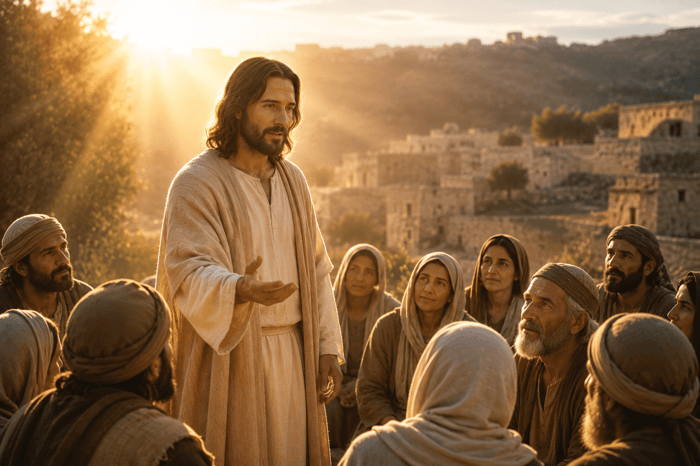
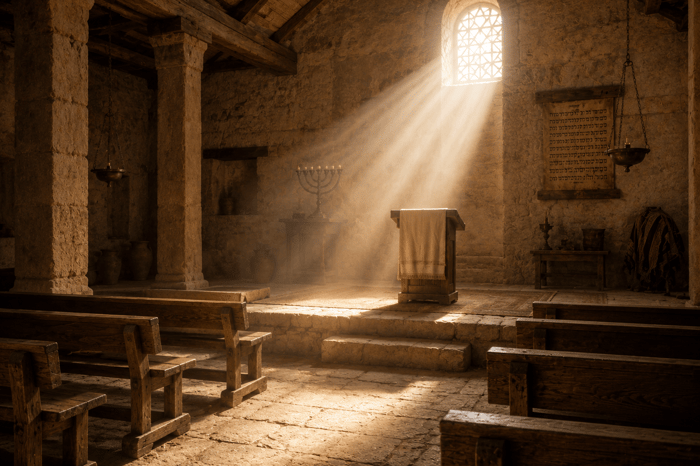
Jesus entered a synagogue in Capernaum and began teaching. The people were amazed because He spoke with authority rather than merely repeating the words of other teachers, beginning to reveal the Holy One of God meaning through both His words and His actions.
A man with an unclean spirit was present. When the spirit saw Jesus, it cried out:
"Saying, 'Ha! What do we have to do with you, Jesus, you Nazarene? Have you come to destroy us? I know you who you are: the Holy One of God!'"
Mark 1:24 (WEB)
The unclean spirit knew Jesus' name, His holiness, and His authority. It also understood that Jesus had the power to bring judgment.
Jesus then commanded the spirit to be quiet and come out of the man.
"Jesus rebuked him, saying, 'Be quiet, and come out of him!'"
Mark 1:25 (WEB)
The demon obeyed. This event shows that the Holy One of God meaning includes more than moral goodness. Jesus' holiness is joined with divine power. Evil cannot stand against Him.
What Does Holy One of God Mean?
To ask what does Holy One of God mean is to ask what makes Jesus different from every other person.
In the Bible, something holy is set apart from what is common. Holiness also describes perfect purity and freedom from sin. God is holy because He is completely separate from evil and perfect in all His ways.
The title reveals several truths about Jesus:
| Truth | What It Means |
|---|---|
| Jesus is without sin | No sinful thought, desire, word, or action was found in Him. |
| Jesus belongs uniquely to God | He was sent and set apart to complete the Father's saving work. |
| Jesus shares God's holiness | His holiness reveals His divine identity. |
| Jesus has authority over evil | Demons recognize and obey His command. |
| Jesus is fit to save sinners | His perfect life made Him the spotless sacrifice for sin. |
The biblical meaning of Holy One is not that Jesus was only more religious than others. It means He is completely pure and uniquely set apart as God's Son and Savior, which is central to the Holy One of God meaning revealed throughout the New Testament.
Holiness Belongs to God
Throughout Scripture, holiness is one of God's central attributes. God is not stained by sin, weakened by evil, or mixed with moral darkness.
The angels around God's throne declare His holiness:
And one called to another and said:
“Holy, holy, holy is the Lord of hosts;
the whole earth is full of his glory!”
Isaiah 6:3 (ESV)
The threefold declaration, "Holy, holy, holy," stresses God's absolute purity and majesty. No created being is holy in the same independent way.
God also commanded Israel to reflect His holiness:
“Speak to all the congregation of the people of Israel and say to them, You shall be holy, for I the Lord your God am holy.
Leviticus 19:2 (ESV)
People can become holy only because God sets them apart and changes them. God, however, is holy by nature.
This is important for understanding the Holy One of God meaning. When Scripture applies this title to Jesus, it places Him in a unique relationship with the holiness of God.
Jesus Is Holy by Nature
Jesus did not become holy through effort, training, or religious discipline. He entered the world as the holy Son of God.
The angel Gabriel explained this to Mary:
"The angel answered her, 'The Holy Spirit will come on you, and the power of the Most High will overshadow you. Therefore also the holy one who is born from you will be called the Son of God.'"
Luke 1:35 (WEB)
Jesus' birth was unlike any other birth. He was conceived by the Holy Spirit and born without a sinful nature.
The words Jesus is holy describe who He has always been. He did not grow from sinfulness into holiness. He remained perfectly pure from His birth through His death.
This separates Him from every other human being. All people are affected by sin, but Jesus never sinned, making His perfect purity essential to the Holy One of God meaning.
Jesus Was Tempted but Never Sinned
Jesus faced real temptation. Satan tempted Him in the wilderness, and He experienced pressure throughout His earthly life.
Yet temptation never produced sin in Him.
"For we don't have a high priest who can't be touched with the feeling of our infirmities, but one who has been in all points tempted like we are, yet without sin."
Hebrews 4:15 (WEB)
Jesus understands human weakness because He truly became human. At the same time, He never joined humanity in rebellion against God.
He always obeyed the Father. His thoughts were pure, His motives were right, and His actions were loving and just.
Peter described Jesus this way:
"Who did not sin, 'neither was deceit found in his mouth.'"
1 Peter 2:22 (WEB)
The Holy One of God meaning therefore includes complete moral perfection. Jesus is not one sinner helping other sinners. He is the sinless Savior rescuing people who cannot make themselves clean.
Why Is Jesus Called the Holy One of God?
Jesus is called the Holy One of God because His character, mission, and authority reveal His unique relationship with the Father.
He is holy in at least four connected ways.
Jesus Is Morally Perfect
Jesus never broke God's law. He loved the Father with His whole heart and loved others without selfishness or deceit.
Even His enemies could not prove Him guilty of sin.
"Which of you convicts me of sin? If I tell the truth, why do you not believe me?"
John 8:46 (WEB)
This does not mean people never accused Jesus. They made many false charges against Him. Yet none could show that He had sinned.
Jesus Was Set Apart for the Father's Work
Jesus said the Father sanctified, or set apart, Him and sent Him into the world.
"Do you say of him whom the Father sanctified and sent into the world, 'You blaspheme,' because I said, 'I am the Son of God?'"
John 10:36 (WEB)
The title Holy One of God includes this sense of being chosen for a sacred mission. Jesus came to reveal the Father, defeat evil, bear sin, and give eternal life.
Jesus Shares the Father's Divine Nature
Jesus' holiness is not borrowed in the way a believer's holiness is received from God. His holiness belongs to His divine identity.
In Revelation, Jesus describes Himself with words that reflect God's own character:
"To the angel of the assembly in Philadelphia write: 'He who is holy, he who is true, he who has the key of David, he who opens and no one can shut, and who shuts and no one opens, says these things:'"
Revelation 3:7 (WEB)
Jesus is holy and true. He also has sovereign authority to open and shut what no one can change, further revealing the Holy One of God meaning as a title that points to His divine identity.
Jesus Has Authority Over Unclean Spirits
The demon in Mark 1 called Jesus the Holy One because holiness and uncleanness stand in direct opposition.
The unclean spirit knew that Jesus could destroy the works of darkness. Christ's presence exposed evil, and His command defeated it.
The Jesus Holy One of God title therefore reveals that no dark power is equal to Him.
The Holy One in the Bible
The phrase Holy One in the Bible appears in several settings. In the Old Testament, God is often called the Holy One of Israel. This name describes His purity, faithfulness, and covenant relationship with His people.
The Psalms also speak prophetically about God's Holy One.
"For you will not leave my soul in Sheol, neither will you allow your holy one to see corruption."
Psalm 16:10 (WEB)
The apostles taught that this verse pointed to Jesus' resurrection. David died and his body decayed, but Jesus rose from the grave.
Peter explained:
"Because you will not leave my soul in Hades, neither will you allow your Holy One to see decay."
Acts 2:27 (WEB)
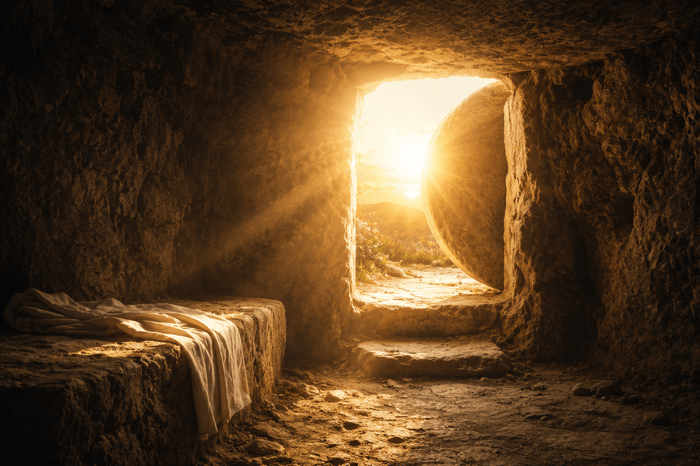
Jesus is the Holy One whose body did not remain in the tomb. His resurrection confirmed His identity and proved that death could not hold Him.
The Holy One of God and the Holy One of Israel
The titles Holy One of God and Holy One of Israel are closely related, but they are not used in exactly the same setting.
| Title | Main Emphasis |
|---|---|
| Holy One of Israel | God's holiness, covenant faithfulness, and relationship with Israel |
| Holy One of God | Jesus' sinless character, divine identity, and authority over evil |
| The Holy and Righteous One | Jesus as the innocent Messiah rejected by sinful people |
| God's Holy One | The promised Messiah who would not remain in the grave |
The connection between these titles supports the truth that Jesus shares the identity and character of the God revealed in the Old Testament.
Still, the title Holy One of God has its own clear focus. It especially reveals who Jesus is when confronted by the powers of evil, helping us better understand the Holy One of God meaning in the Gospels.
The Holy and Righteous One Was Rejected
The holiness of Jesus makes humanity's response to Him even more serious. The sinless One was rejected, while a guilty man was released.
Peter told the people in Jerusalem:
"But you denied the Holy and Righteous One, and asked for a murderer to be granted to you."
Acts 3:14 (WEB)
Jesus deserved honor, yet He received shame. He deserved worship, yet He was mocked. He deserved life, yet He was condemned to die.
This rejection reveals the depth of human sin. People do not naturally welcome God's holiness. Sin causes people to resist God's authority and prefer darkness.
Yet Jesus' rejection became part of God's saving plan.
Why Jesus' Holiness Matters for Salvation
The Holy One of God meaning points directly to the Gospel. Sinners need more than a teacher or an inspiring example. They need a Savior who is free from the guilt they carry.
If Jesus had sinned, He would have needed judgment for His own wrongdoing. Because He was perfectly holy, He could offer Himself for others.
"For him who knew no sin he made to be sin on our behalf; so that in him we might become the righteousness of God."
2 Corinthians 5:21 (WEB)
Jesus did not become sinful in character. He bore the legal guilt and judgment deserved by sinners.
His holiness made Him the perfect High Priest and sacrifice.
"For such a high priest was fitting for us: holy, guiltless, undefiled, separated from sinners, and made higher than the heavens."
Hebrews 7:26 (WEB)
The Gospel calls people to turn from sin and trust the Holy One who died and rose again. Salvation is not earned by trying to become good enough. It is received through faith in the sinless Son of God.
Jesus' Holiness Reveals Our Need
People often compare themselves with one another. A person may feel righteous when compared with someone who has committed more visible sins.
Jesus removes that false comfort. His holiness reveals the true standard.
The question is not whether we are better than someone else. The question is whether we are as holy as God requires. Scripture teaches that all have sinned.
Jesus' perfect life shows what true obedience looks like. It also shows why we need His righteousness rather than our own.
When we see Christ as the Holy One of God, we should respond with humility, repentance, and faith.
The Holy One Makes His People Holy
Jesus does not only forgive His people. He also begins changing them.
Believers are set apart for God through Christ. The Holy Spirit works in them so that their lives begin to reflect the character of Jesus.
This growth does not make Christians equal to Christ in holiness. He remains the perfect Holy One. Yet those who belong to Him are called to turn away from sin and pursue purity.
"But just as he who called you is holy, you yourselves also be holy in all of your behavior."
1 Peter 1:15 (WEB)
A Christian does not pursue holiness to earn salvation. Holiness grows from salvation. The believer seeks to obey because Christ has forgiven, cleansed, and claimed that person as His own.
How Should We Respond to the Holy One of God?
The demons recognized Jesus but did not love or trust Him. Correct information alone is not saving faith.
A right response includes:
- Worship: Jesus deserves honor because He is holy and divine.
- Repentance: His purity exposes our sin and calls us to turn from it.
- Faith: We must trust His perfect life, sacrificial death, and resurrection.
- Obedience: Those who belong to Him should follow His teaching.
- Hope: His holiness assures us that He will judge evil and make all things right.
The title Holy One of God should not remain a fact we study from a distance. It calls for a personal response to Jesus Himself.
What the Title Holy One of God Teaches Us
The title Holy One of God brings several biblical truths together. Jesus is without sin, set apart by the Father, divine in nature, and victorious over evil.
His holiness explains why demons fear Him, why death could not hold Him, and why He alone can save.
The Holy One of God meaning also reveals the wonder of the Gospel. The perfectly pure Son of God came near to sinful people. He touched the unclean, welcomed the rejected, and gave His life for the guilty without becoming stained by their sin.
Jesus is not only an example of holiness. He is the Holy One who cleanses sinners and brings them into a restored relationship with God.
To know Him rightly is to see His purity, submit to His authority, and trust His saving work. Understanding the Holy One of God meaning leads us to worship, obedience, and faith because Jesus alone is worthy of them.
FAQs
What is the Holy One of God meaning?
The Holy One of God meaning refers to Jesus' perfect holiness, sinless nature, and unique relationship with the Father. He is completely set apart from sin and has divine authority over evil, making Him the only perfect Savior.
"Saying, 'Ha! What do we have to do with you, Jesus, you Nazarene? Have you come to destroy us? I know you who you are: the Holy One of God!'"
Mark 1:24 (WEB)
Why is Jesus called the Holy One of God?
Jesus is called the Holy One of God because He alone lived a completely sinless life and perfectly fulfilled the Father's will. His holiness is not something He earned—it belongs to His very nature as the Son of God.
"The angel answered her, 'The Holy Spirit will come on you, and the power of the Most High will overshadow you. Therefore also the holy one who is born from you will be called the Son of God.'"
Luke 1:35 (WEB)
What does "holy" mean in the Bible?
In the Bible, the word "holy" means to be set apart, pure, and completely free from sin. God alone is perfectly holy, and Jesus shares that same holiness because He is the eternal Son of God.
"One called to another, and said, 'Holy, holy, holy, is Yahweh of Armies! The whole earth is full of his glory!'"
Isaiah 6:3 (WEB)
God also calls His people to reflect His holy character.
"Speak to all the congregation of the children of Israel, and tell them, 'You shall be holy; for I Yahweh your God am holy.'"
Leviticus 19:2 (WEB)
Did Jesus ever sin?
No. Although Jesus experienced real temptation, He never sinned. His perfect obedience qualified Him to become the spotless sacrifice for our sins.
"For we don't have a high priest who can't be touched with the feeling of our infirmities, but one who has been in all points tempted like we are, yet without sin."
Hebrews 4:15 (WEB)
Because Jesus remained sinless, He alone could bear the penalty that sinners deserved.
Why did the demons recognize Jesus as the Holy One of God?
The demons understood who Jesus was even before many people did. They recognized His divine authority and knew they were powerless against Him.
"Saying, 'Ha! What do we have to do with you, Jesus, you Nazarene? Have you come to destroy us? I know you who you are: the Holy One of God!'"
Mark 1:24 (WEB)
Their recognition shows that Christ's authority extends over every spiritual power.
Is the Holy One of God the same as the Holy One of Israel?
The titles are closely connected. The Holy One of Israel is a common Old Testament title for God, while Holy One of God emphasizes Jesus' identity as the holy, sinless Son sent by the Father.
Together, these titles point to the shared holiness of the Father and the Son.
"Because you will not leave my soul in Hades, neither will you allow your Holy One to see decay."
Acts 2:27 (WEB)
This prophecy was fulfilled in Jesus' resurrection.
How does the Holy One of God meaning relate to salvation?
The Holy One of God meaning reveals why Jesus alone could save sinners. Every person has sinned and falls short of God's holiness, but Jesus never sinned. Because He was perfectly holy, He could offer Himself as the flawless sacrifice for our sins. His death satisfied God's justice, and His resurrection proved His victory over sin and death. Everyone who repents and trusts in Him receives forgiveness and eternal life through His saving work.
"For him who knew no sin he made to be sin on our behalf; so that in him we might become the righteousness of God."
2 Corinthians 5:21 (WEB)
"For God so loved the world, that he gave his one and only Son, that whoever believes in him should not perish, but have eternal life."
John 3:16 (WEB)
How should Christians respond to Jesus as the Holy One of God?
Recognizing Jesus as the Holy One of God should lead believers to worship, repentance, obedience, and a desire to grow in holiness. Christians do not become holy to earn salvation, but because they belong to the One who is perfectly holy.
"But just as he who called you is holy, you yourselves also be holy in all of your behavior."
1 Peter 1:15 (WEB)
As followers of Christ, we seek to reflect His character while trusting completely in His grace rather than our own righteousness.