Table of Contents
The prophets of the Bible play a significant role in guiding, warning, and comforting God’s people. The Bible introduces prophets from different periods, each one addressing specific needs, challenges, and hopes of God’s people. Understanding the chronological order of these prophets can give us deeper insights into the historical context and divine messages relevant to each period.
The list below shows the major prophets, their timelines, and how they fit into biblical history.
What is a Prophet?
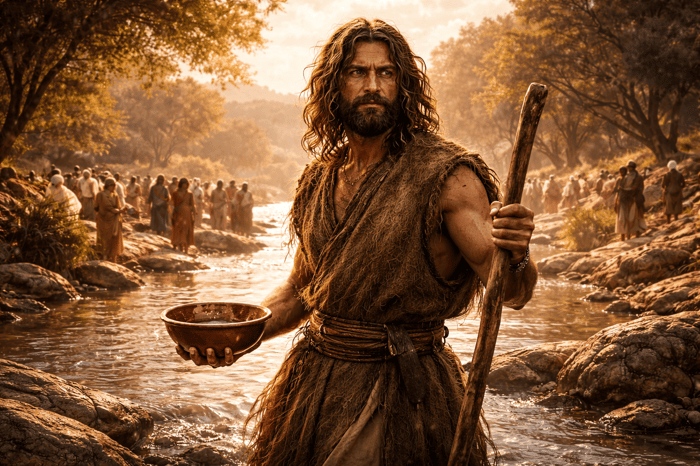
A prophet is a messenger God chooses to deliver His word to people. The prophets in the Bible were often sent to warn the Israelites of the consequences of their disobedience and encourage them to return to God. They also foretold the coming of the Messiah, describing God’s redemptive plan for humanity. Prophets sometimes performed miracles and faced severe opposition, yet they continued to speak boldly on God’s behalf.
Early Prophets of Israel
Before the official prophetic books, several individuals acted as prophets. Here are some key early figures:
| Prophet | Timeline | Key Events and Contributions |
|---|---|---|
| Abraham | 2,000 BC | God’s covenant was established, called the “father of faith.” |
| Moses | 1,300 BC | Led Israel from Egypt and received the Ten Commandments. |
| Samuel | 1,100 BC | Anointed the first kings of Israel: Saul and David. |
| Nathan | 1,000 BC | Served during David’s reign, confronted David on his sin. |
These prophets set the foundation for Israel’s relationship with God, paving the way for future prophets who would come after them.
Major and Minor Prophets in Order
The prophetic books in the Bible are traditionally divided into Major and Minor Prophets. The “Major” designation doesn’t refer to importance but to the length of their writings. Here’s a chronological list of these prophets:
Major Prophets
Isaiah (740–700 BC)
- Message: Isaiah warned of coming judgment and provided hope, speaking of a future Messiah.
- Verse: “For to us a child is born, to us a son is given…” (Isaiah 9:6)
Jeremiah (627–580 BC)
- Message: Known as the "weeping prophet," Jeremiah predicted the fall of Jerusalem and urged people to repent.
- Verse: “Before I formed you in the womb, I knew you…” (Jeremiah 1:5)
Ezekiel (593–571 BC)
- Message: Prophesied during the Babylonian exile, calling people to spiritual renewal.
- Verse: “I will give you a new heart and put a new spirit in you…” (Ezekiel 36:26)
Daniel (605–530 BC)
- Message: While in Babylon, Daniel interpreted dreams and gave visions of future kingdoms and the end times.
- Verse: “The God of heaven will set up a kingdom that will never be destroyed…” (Daniel 2:44)
Minor Prophets
The Minor Prophets, though shorter in writing, contributed significant messages. Below is a breakdown by order:
| Prophet | Approximate Timeline | Key Themes |
|---|---|---|
| Hosea | 755–710 BC | God's unending love despite Israel’s unfaithfulness. |
| Joel | 835–796 BC | Warning of “the Day of the Lord” and call to repentance. |
| Amos | 760–750 BC | Advocated for social justice; warned against complacency. |
| Obadiah | 586 BC | The shortest prophetic book foretells Edom’s downfall. |
| Jonah | 760 BC | God’s mercy on Nineveh shows His love for all people. |
| Micah | 742–687 BC | Calls for justice and foresees Bethlehem as Messiah’s birthplace. |
| Nahum | 612 BC | Predicts the fall of Nineveh, symbolizing God’s justice. |
| Habakkuk | 612–588 BC | Questions God about suffering and receives assurance of His sovereignty. |
| Zephaniah | 640–621 BC | Warns of the Day of the Lord but promises hope. |
| Haggai | 520 BC | Encourages the rebuilding of the temple after the exile. |
| Zechariah | 520–480 BC | Offers visions of restoration and the coming Messiah. |
| Malachi | 430 BC | The final prophet of the Old Testament calls for spiritual renewal. |
Post-Exilic Prophets
After the Babylonian exile, Israel began to rebuild and restore its faith. Prophets like Haggai, Zechariah, and Malachi guided them in this period:
- Haggai: Urged the people to complete the temple to restore proper worship.
- Zechariah: Prophesied about a coming King, offering hope for Israel.
- Malachi: Rebuked Israel’s spiritual laziness and pointed to a future messenger.
Chronological Summary of the Prophets
To better understand the order and significance of each prophet, here’s a brief chronological summary:
| Period | Prophets | Key Message |
|---|---|---|
| Early Kingdom | Samuel, Nathan | Establishment of the kingdom and early guidance. |
| Pre-Assyrian Exile | Elijah, Elisha, Hosea, Amos | Calls for repentance; warnings of judgment. |
| Pre-Babylonian Exile | Isaiah, Jeremiah, Micah | Judgment and hope, including Messianic prophecies. |
| Babylonian Exile | Ezekiel, Daniel | Exile message with visions of restoration. |
| Post-Exile Restoration | Haggai, Zechariah, Malachi | Encouragement to rebuild; calls for spiritual renewal. |
Conclusion: Why Study the Prophets?
The prophets' messages resonate throughout history, revealing God’s heart for justice, mercy, and redemption. By studying the prophets chronologically, we gain a clearer view of God’s overarching plan for humanity, from warning of consequences to promising redemption. The prophets remind us of God’s faithfulness and desire for His people to walk closely with Him.